

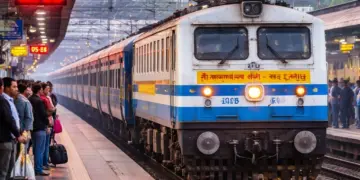

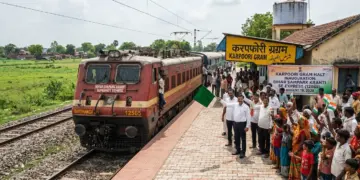
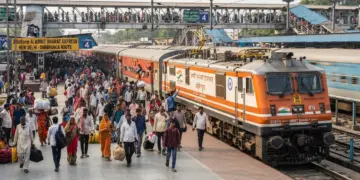

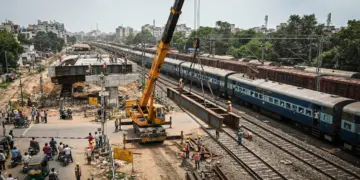
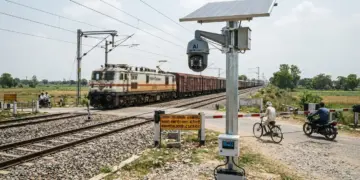




The Russian Ministry of Transport is actively working on a strategic plan to establish new rail freight routes connecting Russia and Belarus with Pakistan. This initiative aims to leverage the International North-South Transport Corridor (INSTC) to streamline goods movement and provide land-based connectivity to South Asian markets. Railway authorities from the involved nations are currently coordinating the logistical framework, with operations set to commence once the necessary infrastructure is fully prepared.
Key details regarding this development include:
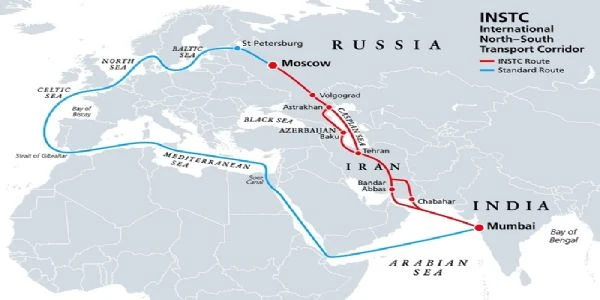
- The initiative is a major expansion of the 7,200-kilometer-long INSTC, which links St. Petersburg in Russia to Mumbai in India.
- Russia, Belarus, and Pakistan are currently finalizing details on cargo handling, tariff structures, delivery timelines, and test shipment schedules.
- Trial shipments will be conducted on both the Russia-Pakistan and Belarus-Pakistan routes to evaluate operational efficiency.
- The project remains subject to formal agreements between Pakistan and the transit nations involved in the corridor.
Strengthening the International North-South Transport Corridor
The INSTC is a vital multi-modal transit network comprising rail, road, and maritime segments. By integrating Pakistan into this network, Russia aims to create a more robust supply chain that bypasses traditional, longer sea routes. The corridor currently functions through three primary paths: the Trans-Caspian (rail and sea), and the Western and Eastern (land) routes.
Significant progress has already been made on the corridor’s infrastructure. In May 2023, Russia and Iran signed a landmark agreement to complete the Rasht-Astara railway section in Iran, which is considered the final missing link of the Western route. This project carries a total investment of $1.85 billion, with Russia contributing $1.5 billion to ensure the completion of this critical rail connection.
As the railway administrations continue their technical discussions, stakeholders remain optimistic that this route will significantly reduce transit times for freight. Once the logistical roadmap and safety protocols are finalized, the inclusion of Pakistan as a key node in the INSTC will mark a transformative shift in Eurasian trade dynamics, offering a faster and more reliable alternative for cross-border commerce.