
















A recent report presented to Parliament by the Comptroller and Auditor General (CAG) of India on August 12, 2026, has brought to light significant lapses in passenger safety and infrastructure maintenance across the Indian Railways network. The audit raises alarms over water quality at major hubs and highlights systemic failures in providing essential services to millions of daily commuters.
- E. coli bacteria detected in water coolers at major stations including CSMT, Coimbatore, Palakkad Junction, Hyderabad, and Madhupur.
- 105 stations across various zones reported tap water contaminated with coliform bacteria between 2022 and 2024.
- 59 stations failed to conduct mandatory bacteriological water testing entirely.
- 89 percent of 512 surveyed non-suburban stations lacked basic amenities like seating and functional signage.
- 36 to 44 percent of the budget for passenger facilities remained unspent between 2019 and 2024.
Water Quality and Sanitation Concerns
The safety of drinking water at railway stations is a primary concern for the national transporter, yet the CAG report indicates widespread negligence. The presence of E. coli in water coolers at prominent stations poses a direct health risk to passengers. Furthermore, the fact that 59 stations did not perform any water quality testing suggests a critical breakdown in the oversight mechanism designed to ensure safe hydration for travellers.
Infrastructure and Budgetary Lapses
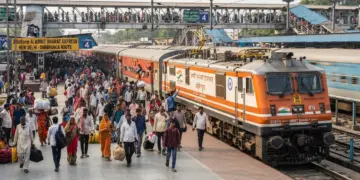
Beyond hygiene, the audit of 512 non-suburban stations paints a grim picture of passenger convenience. The report notes that over 89 percent of these stations failed to meet the minimum essential amenities criteria, which includes basic requirements like adequate seating, clean sanitation facilities, and platform shelters. Despite the Railway Board issuing clear directives, local zones have struggled to implement time-bound action plans to rectify these deficiencies.
Perhaps most concerning is the revelation of financial mismanagement. The audit found that between 36 and 44 percent of the funds allocated for passenger amenities remained unspent throughout the 2019-2024 period. This indicates that while resources were available, they were not effectively utilised to improve the station experience for the public.
Recommendations for Improvement
In response to these findings, the CAG has strongly urged the Ministry of Railways to enforce stricter adherence to inspection protocols. The report calls for a comprehensive overhaul of water quality testing procedures and a more disciplined approach to facility maintenance. As Indian Railways continues to modernise, ensuring that basic health and infrastructure standards are met remains a vital necessity to protect the well-being of the millions of passengers who rely on the network every day.