
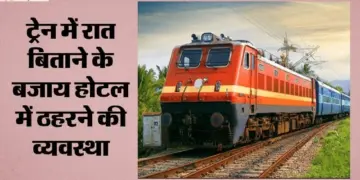
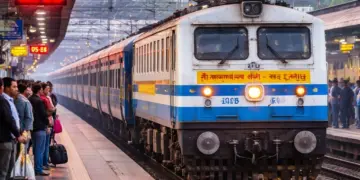
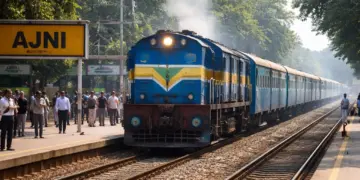
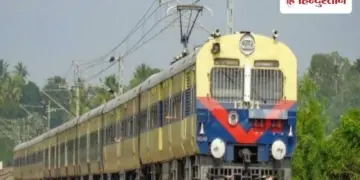
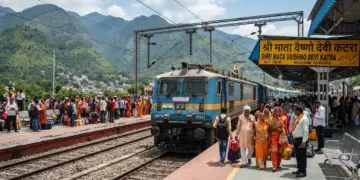
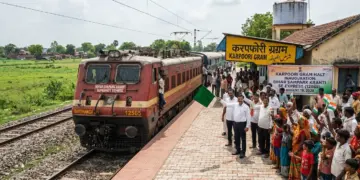
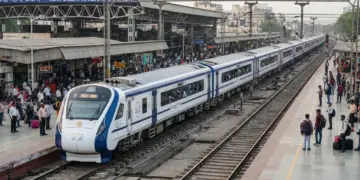
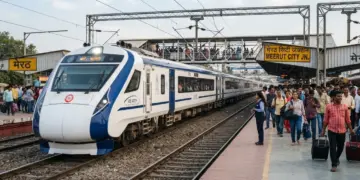
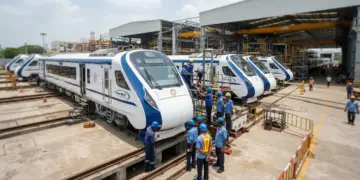
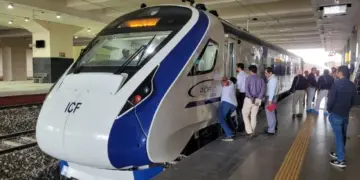
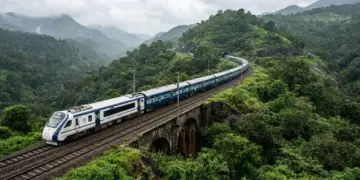
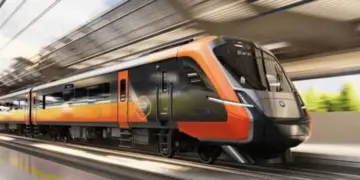
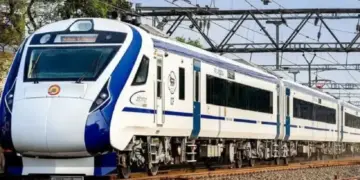


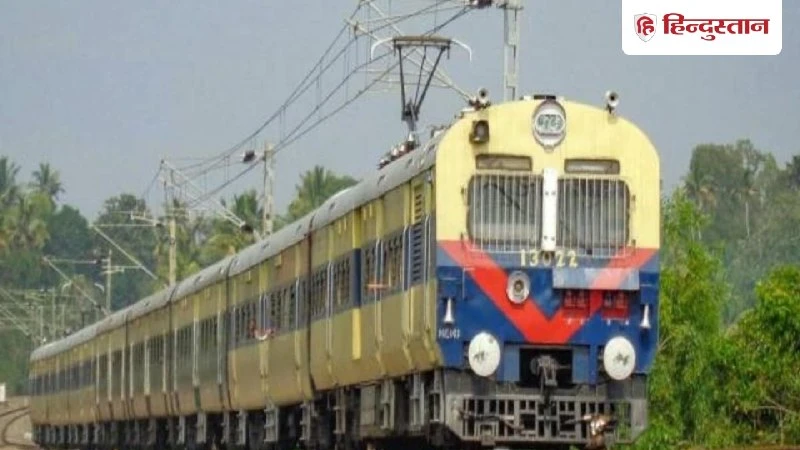

Indian Railways is rolling out a new initiative to unlock significant non-fare revenue by opening up the exteriors of its locomotives and Mainline Electric Multiple Unit (MEMU) trains for corporate branding. The Prayagraj division is currently leading this pilot project, which transforms thousands of rail engines into mobile billboards, offering brands unmatched visibility across the nation’s vast transit network. This strategic shift is designed to diversify the railway’s income streams, moving beyond traditional earnings from passenger tickets and freight logistics to support long-term financial sustainability.
- Prayagraj division leads the pilot program for locomotive and MEMU exterior branding.
- Strict content guidelines prohibit ads for tobacco, alcohol, and competing transport services.
- All advertising campaigns require mandatory prior approval from divisional authorities.
- The initiative supports modernization efforts, including the induction of next-gen MEMU and Namo Bharat trains.
Strict Guidelines for Advertisers
While the national transporter is keen to monetize its assets, it has set clear boundaries to maintain the aesthetic and ethical standards of the railway network. The Ministry of Railways has explicitly banned advertisements for alcoholic beverages, tobacco, cigarettes, and any content deemed obscene or objectionable. Additionally, to protect the interest of the national carrier, the policy strictly forbids the promotion of competing transport methods and private insurance policies related to railway accidents. Agencies partnering with the railways must ensure their campaigns comply with all relevant Central and State laws.
Funding Modernization Through Innovation
This move comes at a time when Indian Railways is aggressively upgrading its fleet. Following the announcement in June 2025 regarding the introduction of 100 next-generation MEMU trains and 50 Namo Bharat trains, the organization is looking for innovative ways to fund these capital-intensive projects. By adding these high-visibility assets to its non-fare revenue inventory, the railways aim to create a sustainable financial model. This revenue will be directly reinvested into ongoing infrastructure upgrades, ensuring that the passenger experience continues to improve alongside the modernization of the rolling stock.