




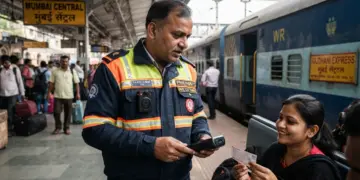
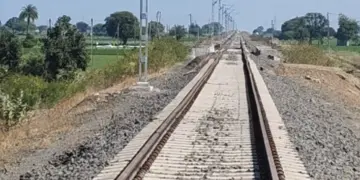





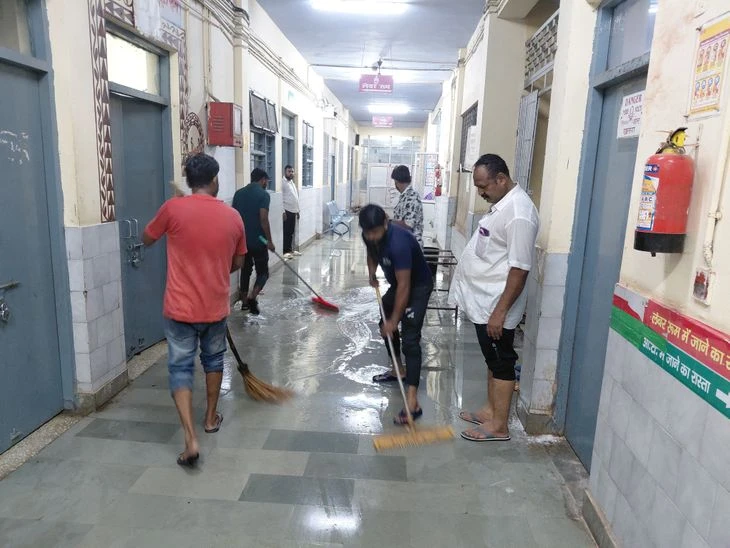

Heavy rainfall in Farrukhabad has triggered a significant flood crisis, with the Ganga and Ramganga rivers rising rapidly toward critical levels. As of mid-August 2026, the water levels have severely disrupted connectivity, affecting approximately 33 to 60 villages and forcing the closure of vital transport links, including the Rajepur and Chitrakoot dips. Railway passengers and local commuters are advised to exercise caution as the region faces these challenging conditions.
Key updates regarding the current situation include:
• The Ganga river has reached 137 meters, just 10 centimeters below the danger mark.
• Over 33 to 60 villages are currently impacted by the rising water.
• Key road crossings at Rajepur and Chitrakoot are closed due to inundation.
• District administration has set up 24 temporary shelters and 52 flood outposts.
• Relief efforts include 50 boats, five motorboats, and specialized NDRF and PAC units.
• 35 medical camps and 11 veterinary units are operational to provide essential supplies.
Government Response and Relief Operations
District Magistrate Dr. Ankur Lathar and Superintendent of Police Aarti Singh are leading an extensive relief operation to support the displaced population. The administration has prioritized the distribution of life-saving supplies, including clean drinking water, animal fodder, and essential medications. To ensure public safety, authorities have issued strict directives to provide children with necessary medicines, chlorine tablets, and anti-venom at designated health camps.
Safety Measures for Residents
With the infrastructure remaining under significant strain, officials remain on high alert. The district administration is maintaining close oversight to ensure the transparent and efficient distribution of relief materials. Residents and travelers in the Farrukhabad region are strongly urged to follow all safety protocols issued by the local authorities. As the situation evolves, passengers are encouraged to monitor local updates regarding road and rail connectivity, as the rising water levels continue to pose risks to regional transportation networks.