


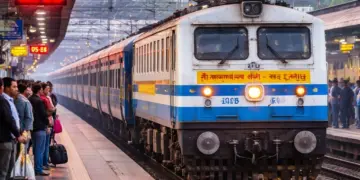


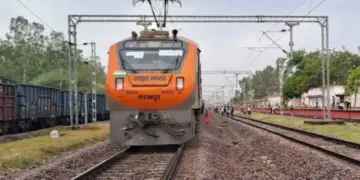
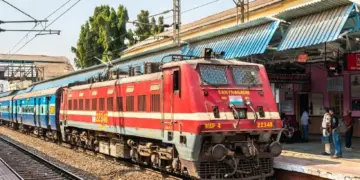
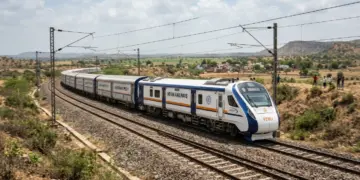
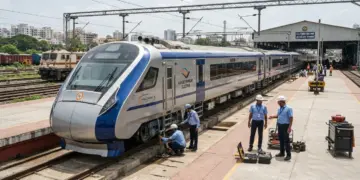
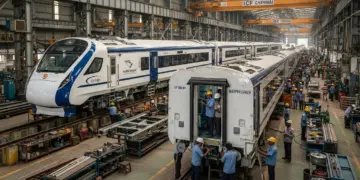
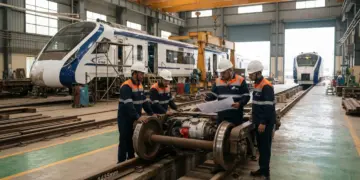
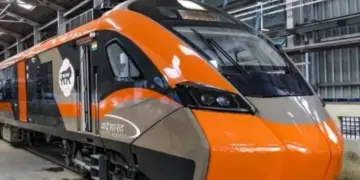



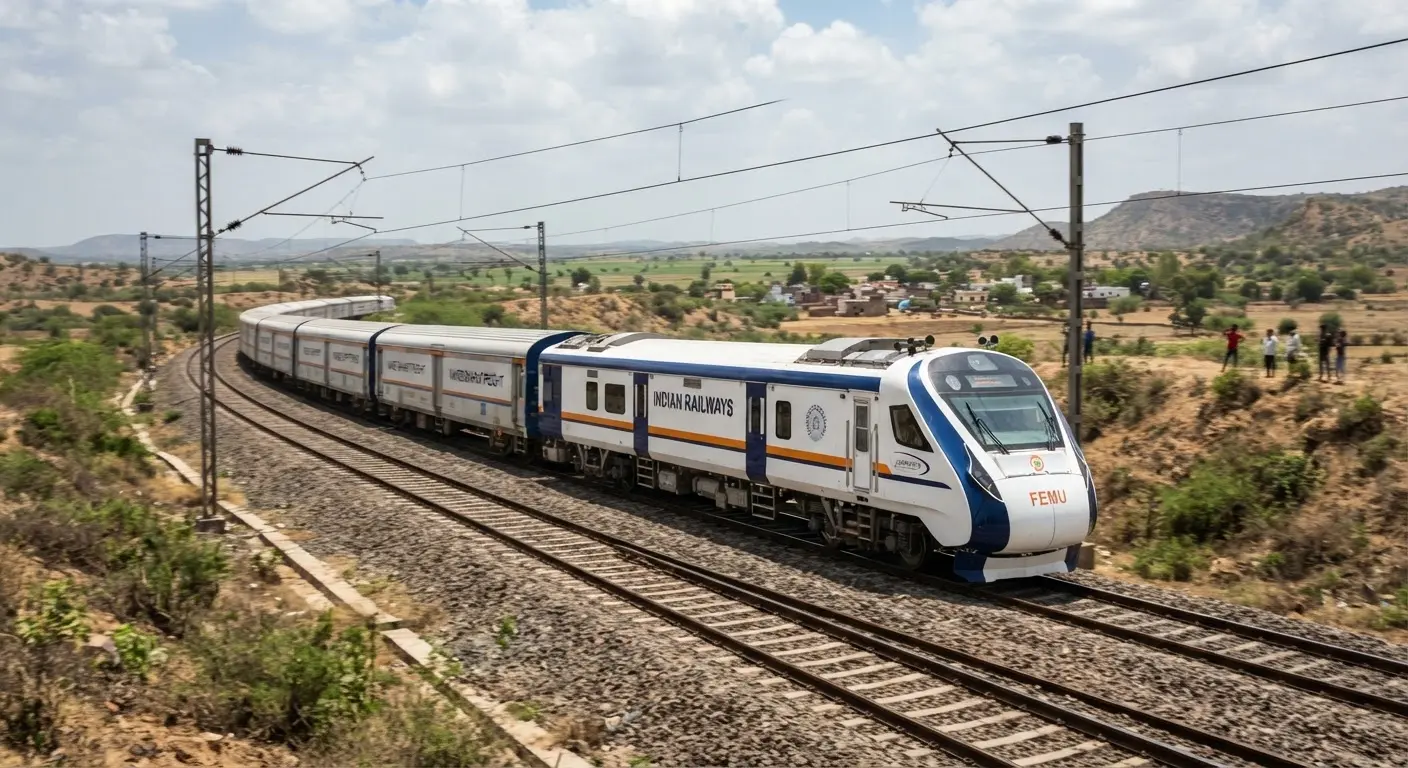

India has reached a major milestone in logistics modernization as the country’s first Vande Bharat Freight Electric Multiple Unit (FEMU) successfully completed high-speed trials. Clocking in at 130 km/h on the Kota-Rohal Khurd section of the West Central Railway, this specialized train is designed to transform the way high-value goods move across the Indian rail network. By utilizing advanced distributed-power technology, the project aims to ensure that e-commerce parcels, pharmaceutical products, and perishable goods reach their destinations with unprecedented speed and reliability.
Key highlights of the Vande Bharat Freight trials include:
- The 16-coach rake reached a top speed of 130 km/h during the recent Kota-Rohal Khurd trial.
- Previous testing sessions starting July 29, 2026, saw the train hit speeds of up to 145 km/h.
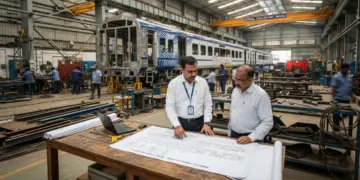
- The train features a distributed-power design developed by the Integral Coach Factory (ICF) in Chennai.
- Advanced safety and utility features include automatic wide sliding doors, specialized roller floors, CCTV surveillance, and temperature-controlled reefer facilities.
Rigorous Testing for Future Logistics
Saurabh Jain, Senior Divisional Commercial Manager of the Kota Division, explained that the month-long testing phase has been exhaustive. Engineers are meticulously evaluating the train’s regenerative energy efficiency, the thermal capacity of its propulsion systems, and its overall braking performance. The trials are being conducted under fully loaded conditions to ensure the train can maintain stability and safety while carrying heavy freight at high speeds. Experts from the Research Designs and Standards Organisation (RDSO) are overseeing every aspect of the evaluation to ensure the train meets the highest international standards.
When Will Operations Begin
While the technical trials have been highly successful, the Vande Bharat freight train is not yet open for commercial bookings. Railway officials have clarified that the service will only commence once the current trial phase is completely finalized and all necessary final safety clearances have been obtained. Once operational, this train is expected to provide a significant boost to India’s supply chain, offering a faster alternative to traditional freight transport and helping to bridge the gap between rapid e-commerce demands and rail infrastructure capabilities.