











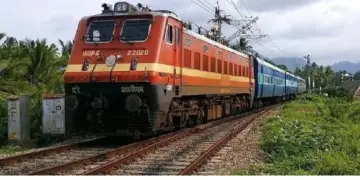

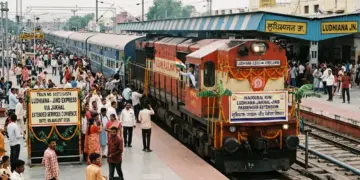
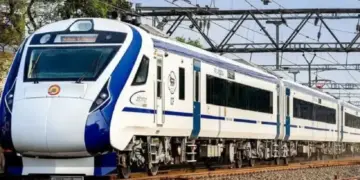





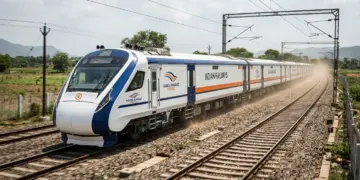
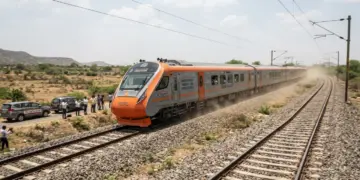





Northern Railway is implementing major infrastructure upgrades to increase the speed of trains on the lines connected to Gohana Junction. These improvements are part of a larger plan to modernize the railway network in Haryana, ensuring faster travel times and better safety for passengers. The focus remains on upgrading existing tracks to support high-speed operations and preparing for the introduction of new technology trains like the hydrogen train.
🗞️: Patna-Lucknow Vande Bharat Express: Check route timings and Ayodhya Dham Junction arrival।
How will the track upgrades affect train speeds at Gohana?
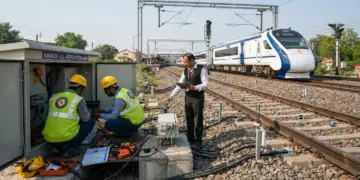
The infrastructure improvements involve the use of 60 kg rails and wider base concrete sleepers that provide better stability for high-speed trains. These upgrades are designed to transition existing tracks from 110 kmph to 130 kmph in the near future. Northern Railway has already made significant progress with projects like the 4.8-kilometer elevated Rohtak-Gohana track, which eliminated level crossings and allowed for smoother train movement through populated areas. Modern track maintenance machines are being used to ensure the track geometry remains suitable for higher speed operations.
Important developments for the Sonipat-Gohana-Jind route
- The 89 km stretch connecting Sonipat, Gohana, and Jind is the designated route for India first hydrogen train trial.
- Hydrogen trains are projected to run at speeds between 110 km/h and 140 km/h on this section.
- The Railways Principal Chief Engineer Prem Sagar Gupta has conducted inspections to ensure the tracks are ready for trials.
- National track upgrades have already made 81 percent of the Indian Railways network ready for 110 kmph speeds.
- Systemic upgrades facilitate the introduction of faster trains like Vande Bharat and Amrit Bharat in the region.