
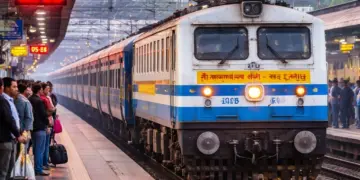

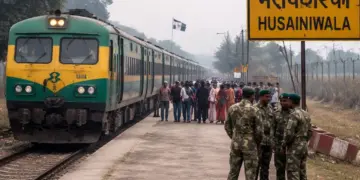
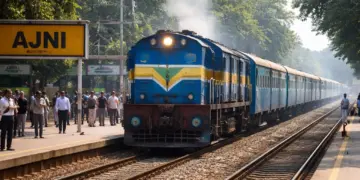





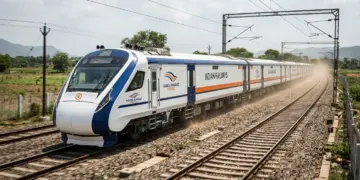
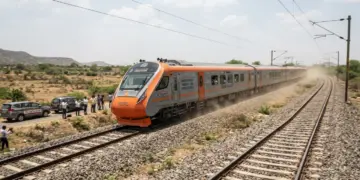



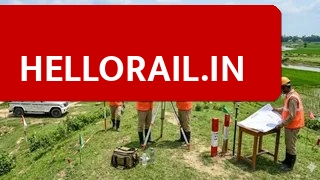

The proposed 188-kilometer new railway line project connecting Sitamarhi to Nirmali in Bihar is gaining significant momentum. Indian Railways has started the final survey process for the Detailed Project Report (DPR), which is expected to be completed within the next four months. This project is a major step towards providing rail connectivity to several blocks in Sitamarhi and Madhubani districts for the first time, aiming to boost the local economy and tourism.
Key Details of the Sitamarhi-Nirmali Rail Project
The railway line will connect several remote areas to the mainstream rail network, covering a total distance of approximately 188 to 189 kilometers. The Central Government has approved a budget of ₹2400 crore for this project, which was initially proposed years ago but faced delays.
- Total Length: 188 – 189 KM
- Estimated Cost: ₹2400 Crore
- Existing Junctions: Sitamarhi, Jaynagar, Laukaha Bazar, and Nirmali.
- New Proposed Stations: Bhuthi, Sonbarsa, Sursand, Umgaon, Lalmani, and Laukahi.
- Total Stations: 25 (21 new and 4 existing).
Route Map and Expected Impact on Local Development
The new line will originate from Sitamarhi Junction and pass through various towns and villages including Bathnaha, Parihar, Bhitthamore, Chauraut, and Jaynagar before reaching Nirmali. This route is strategically important as it strengthens connectivity with areas near the Nepal border. By linking Mithilanchal and Seemanchal regions, the project will make travel easier for residents and open new doors for agricultural trade and small industries.
Survey and Construction Timeline
| Process Phase | Timeline/Status |
|---|---|
| Final Alignment Survey | Initiated (Target: 4 Months) |
| Drone-based Topographical Survey | Tender opened on Jan 30, 2026 |
| Project Approval Date | Reinstated Sept 29, 2025 |
| Supervising Body | East Central Railway, Mahendrughat |
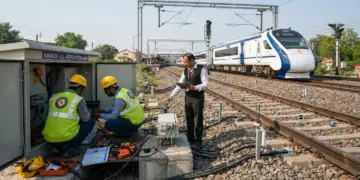
The Railway Board gave the green signal to restart this project in late 2025 after it was briefly suspended in 2019. The East Central Railway Construction Organization is now overseeing the comprehensive services, which include aerial surveys using DGPS-based drones and traffic studies. This detailed groundwork will ensure that the final construction process remains on track without further technical delays.