

















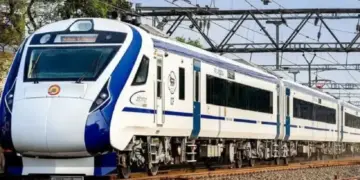





Indian Railways uses a smart scientific method to stop the theft of fans from train coaches. These fans are specially designed to work on a specific power system that is different from the electricity available in Indian homes. This makes the stolen fans completely useless for any domestic use.
Why do train fans not work in homes?
The main reason is the difference in voltage and current. Train fans are designed to run on 110 Volt DC (Direct Current). However, Indian homes receive 220 Volt AC (Alternating Current) power. If someone tries to plug a train fan into a home socket, the higher voltage and different current type will cause the fan to burn out or fail to start immediately.
How did the railway change this system?
Earlier, the railways used fans and lights that operated on 24 Volt DC. These were easy to steal because they could be run using car or truck batteries. To stop this, the railway shifted to 110 Volt DC, which is not compatible with common batteries or home plugs, leading to a significant drop in thefts.
Other security measures by Indian Railways
- Installation of CCTV cameras at stations and inside trains
- Deployment of Railway Protection Force (RPF) personnel
- Availability of helpline numbers 139 and 182
- Rail Madad App for passenger complaints and security
- Integrated Security System (ISS) for better surveillance
Frequently Asked Questions (FAQs)
What is the voltage of fans used in Indian Railways?
Fans in Indian Railways are designed to operate on 110 Volt DC (Direct Current) to prevent theft and ensure compatibility with train power systems.
What happens if a train fan is connected to a home plug?
Since home electricity is 220 Volt AC, the train fan will either not work or will burn out immediately due to the voltage mismatch.
{“@context”: “https://schema.org”, “@type”: “FAQPage”, “mainEntity”: [{“@type”: “Question”, “name”: “What is the voltage of fans used in Indian Railways?”, “acceptedAnswer”: {“@type”: “Answer”, “text”: “Fans in Indian Railways are designed to operate on 110 Volt DC (Direct Current) to prevent theft and ensure compatibility with train power systems.”}}, {“@type”: “Question”, “name”: “What happens if a train fan is connected to a home plug?”, “acceptedAnswer”: {“@type”: “Answer”, “text”: “Since home electricity is 220 Volt AC, the train fan will either not work or will burn out immediately due to the voltage mismatch.”}}]}