






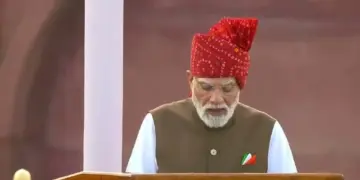
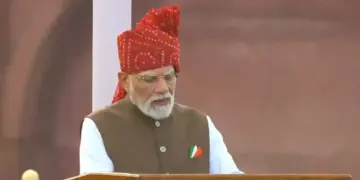




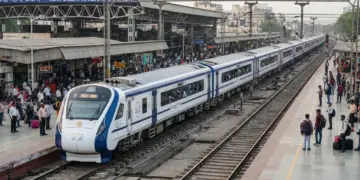

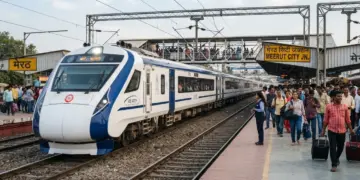
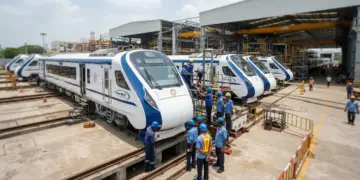
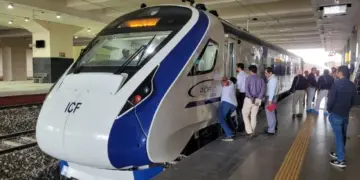



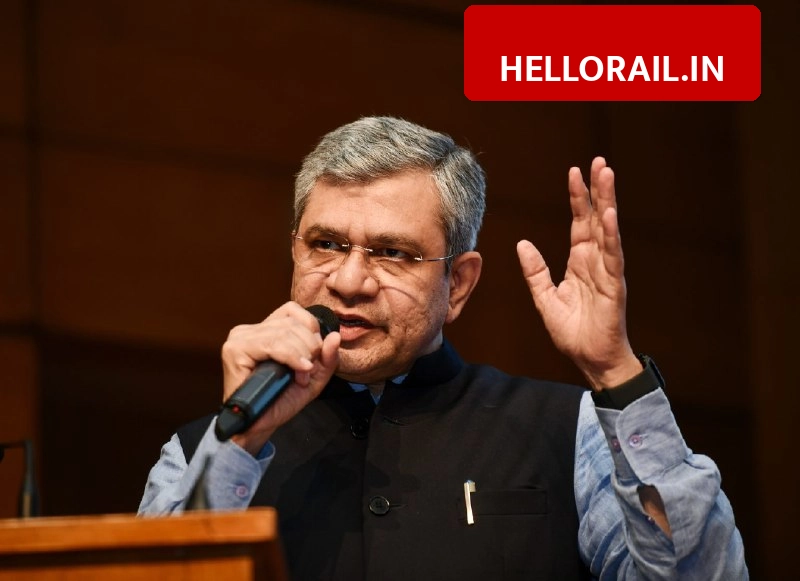

Union Minister Ashwini Vaishnaw announced on Monday, May 11, 2026, that Indian Railways spent 98 percent of its budget for the 2025-26 fiscal year by the end of February. This rapid spending happened to ensure projects were completed on time. The Minister stated that high-speed rail will soon dominate short-distance travel, making it harder for airlines to compete on several busy routes.
What are the new travel times between major cities?
The government is developing new corridors that will significantly cut travel time between big cities. These high-speed routes aim to shift 99 percent of traffic from flights to trains. The expected travel times are as follows:
| Route | Expected Travel Time |
|---|---|
| Mumbai to Pune | 28 Minutes |
| Pune to Hyderabad | 1 Hour 55 Minutes |
| Hyderabad to Bengaluru | 2 Hours |
| Delhi to Varanasi | 3 Hours 50 Minutes |
| Delhi to Lucknow | 2 Hours |
| Bengaluru to Chennai | 78 Minutes |
What is the current status of railway infrastructure?
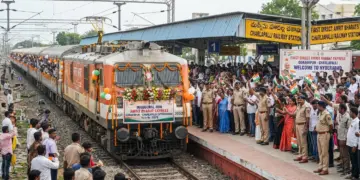
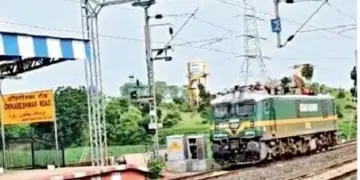
Indian Railways has expanded its network significantly in recent years. The Minister provided data comparing India’s progress with other developed nations. Currently, 49,000 kilometers of tracks have been electrified, which is more than the entire rail network of Germany. Additionally, 36,000 kilometers of new tracks were added, which is about six times larger than Switzerland’s total rail network.
Frequently Asked Questions (FAQs)
How much of the 2025-26 budget did Indian Railways spend by February?
Indian Railways spent 98 percent of its allocated budget for the fiscal year 2025-26 by the end of February to speed up project implementation.
How will high-speed rail affect airline travel in India?
Union Minister Ashwini Vaishnaw stated that high-speed rail will dominate busy short-distance routes, leaving very little room for airlines to compete, similar to trends in Japan and China.