

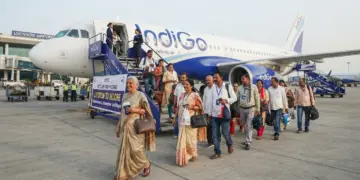

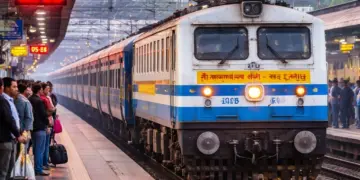





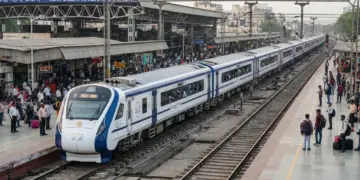

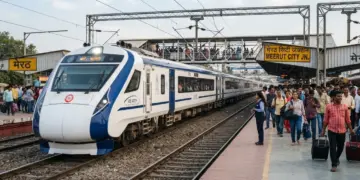
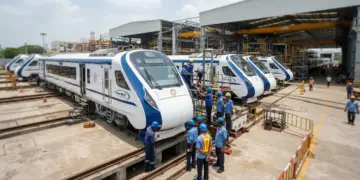
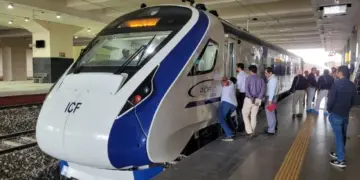
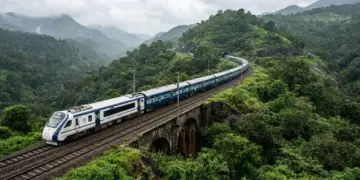
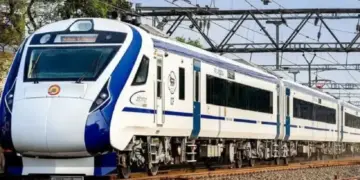


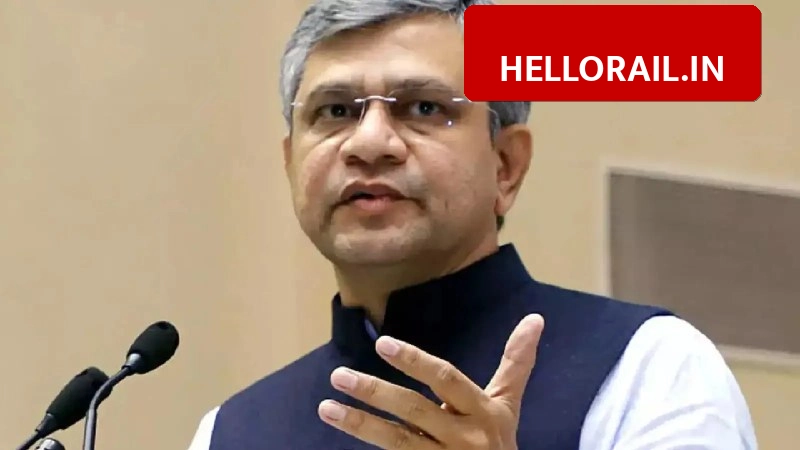

Railway Minister Ashwini Vaishnaw told aviation investors at the CII Business Summit on May 11, 2026, that India’s high-speed rail network will soon make short-distance flights unnecessary. He stated that bullet trains will take over the market share on busy corridors because they offer faster and more convenient travel for shorter distances.
Which routes will be affected by Bullet Trains?
The Railway Minister predicted that several key city pairs will see a shift from air travel to high-speed rail. The travel times on these routes will drop significantly as follows:
| Route | Expected Travel Time |
|---|---|
| Mumbai to Pune | 48 Minutes |
| Bengaluru to Chennai | 78 Minutes |
| Pune to Hyderabad | 1 Hour 55 Minutes |
| Hyderabad to Bengaluru | 2 Hours 8 Minutes |
| Chennai to Hyderabad | 2 Hours 55 Minutes |
What is the current status of High-Speed Rail projects?
The government announced seven high-speed rail corridors in the 2026-27 budget with a planned investment of ₹16 lakh crore. Currently, India is building 15 kilometers of high-speed track every month. The Mumbai-Ahmedabad corridor’s initial 97 km section between Surat and Vapi is expected to start operations by 2027, with the full project inauguration likely in August 2027.
New corridors and indigenous development
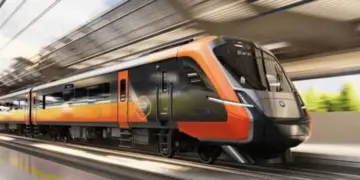
Work has started on the Amritsar-Jammu corridor to reduce travel time from 5 hours to 2 hours. Survey work for the Varanasi-Siliguri corridor will begin between July and August 2026. Additionally, BEML in Bengaluru is building the indigenous B-28 high-speed trainset, moving India toward becoming 100% self-reliant in bullet train manufacturing.
Frequently Asked Questions (FAQs)
Which city’s travel time will decrease the most?
The Mumbai-Pune route will see a massive change, with travel time reducing to just 48 minutes via Bullet Train.
When will the first Bullet Train start in India?
The first Bullet Train project is expected to be inaugurated in August 2027, with the Surat-Vapi section starting next year.