





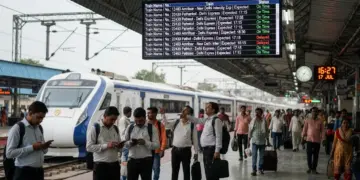
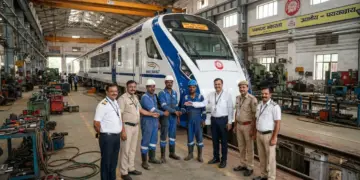

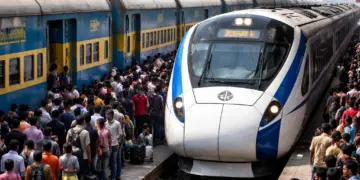




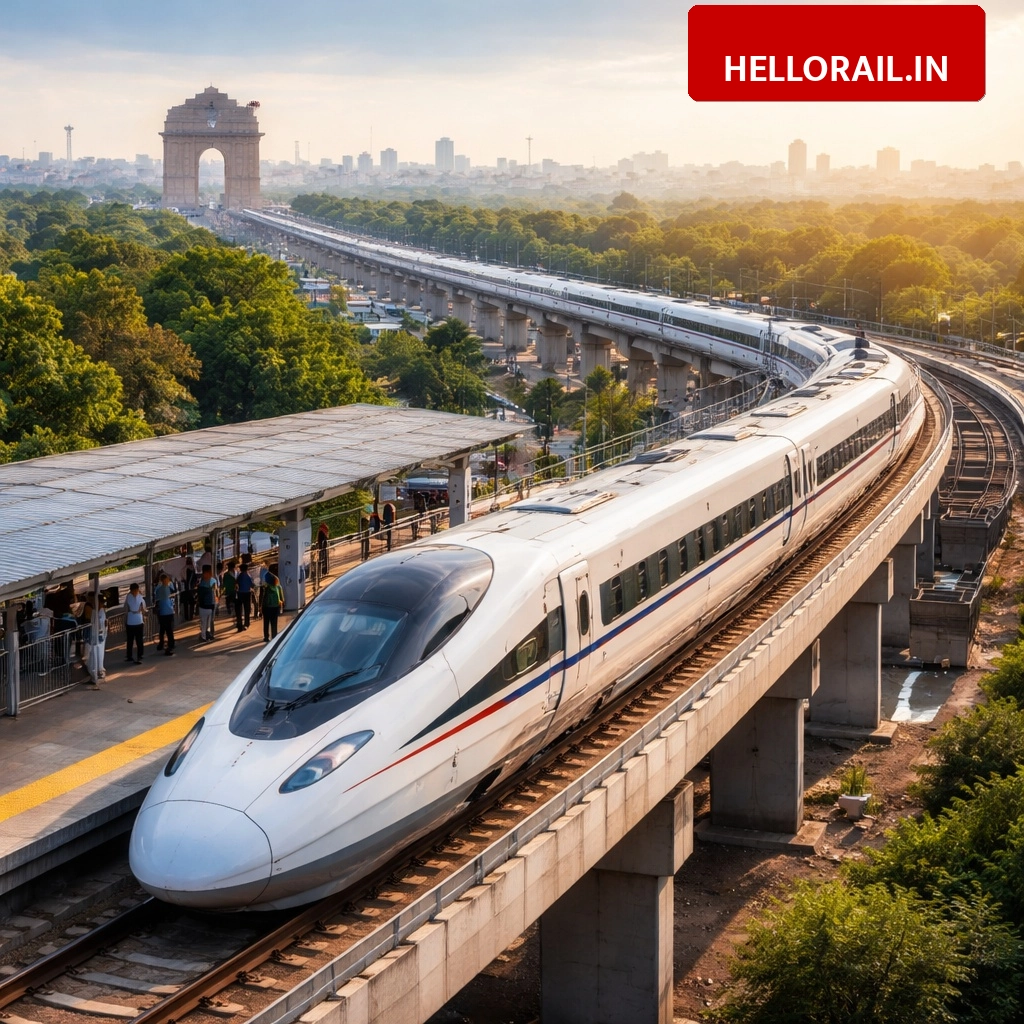

The Central Government has fast-tracked the preparations for the Delhi-Varanasi High-Speed Rail Corridor announced in the Union Budget 2026-27. Railway Minister Ashwini Vaishnaw shared the route details during an event in Jewar, Uttar Pradesh. The project aims to drastically reduce travel time between the national capital and major cities of Uttar Pradesh.
What is the route plan and travel time?
The corridor will span approximately 813 to 865 km, connecting several key cities. The trains will operate at a maximum speed of 350 kmph, with a regular speed of 320 kmph. The estimated cost of the project is around ₹2.3 lakh crore, and it is expected to be completed by 2031.
| Route Segment | Estimated Travel Time |
|---|---|
| Delhi to Lucknow | 2 hours 10 minutes |
| Jewar to Lucknow | 1 hour 40 minutes |
| Delhi to Jewar | 21 minutes |
| Delhi to Varanasi | 3.5 to 4 hours |
Which cities and hubs will be connected?
The bullet train will stop at major locations including Delhi (Saray Kale Khan/Hazrat Nizamuddin), Noida, Jewar Airport, Mathura, Agra, Etawah, Kannauj, Lucknow, Raebareli, Prayagraj, Bhadohi, and Varanasi. A separate 124 km branch line is also proposed from Lucknow to Ayodhya, which will take about 35-40 minutes.
- Jewar Hub: It will be developed as North India’s largest Multimodal Transport Hub, integrated with the Noida International Airport.
- Lucknow Stations: Potential sites include Kisan Path Expressway, Vrindavan Yojana, Ekana Stadium, and Gomti Riverfront.
- Prayagraj Stations: Sites being considered include Nibi Khurd, Shantipuram, and areas near the airport.
Frequently Asked Questions (FAQs)
When will the Delhi-Varanasi bullet train be completed?
The project is expected to be completed by 2031 with an estimated investment of ₹2.3 lakh crore.
How will the bullet train connect to Ayodhya?
A separate 124 km high-speed branch line is proposed from Lucknow to Ayodhya, reducing travel time to 35-40 minutes.