













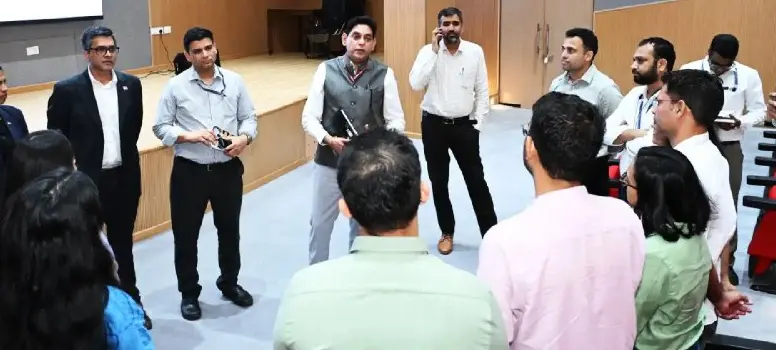

Indian Railways is set to revolutionize the passenger booking experience with a significantly upgraded IRCTC portal designed for near-instant ticket processing. Following a collaborative showcase between IRCTC and the Centre for Railway Information Systems (CRIS) at MNIT Jaipur on July 10, 2026, the new platform is scheduled for a public launch on July 15, 2026. This initiative directly addresses long-standing passenger grievances regarding website speed and reliability.
Key updates arriving with the new platform include:
• Capacity surge to 1 lakh tickets per minute, with potential for up to 1.5 lakh.
• Removal of unnecessary captchas to streamline the login process.
• Unified screen display showing seat availability across all classes at once.
• Enhanced security measures to curb fraudulent automated Tatkal bookings.
• Support for regional languages and mobile-based authentication.
A Response to Passenger Feedback
The push for this digital overhaul follows a direct intervention by Railway Minister Ashwini Vaishnaw in June 2026. The Minister took note of specific feedback from students, including Labisha Meena from MNIT Jaipur, who pointed out that complex captchas and technical bottlenecks were major hurdles during peak booking hours. By addressing these pain points, the new portal aims to drastically reduce booking delays and eliminate common technical glitches like website crashes and OTP failures.
Modernizing the Passenger Reservation System
Beyond the user-facing portal, the core infrastructure of Indian Railways is receiving a massive boost. The nearly 40-year-old Passenger Reservation System (PRS) is undergoing a major technological migration. This upgrade is set to increase the inquiry capacity of the system from 4 lakh to over 40 lakh inquiries per minute, ensuring that the backend can handle the massive traffic surge that typically occurs when ticket bookings open.
While the portal launches on July 15, officials noted that full integration with the new PRS engine will continue to roll out over the coming months. Travelers can also look forward to new features such as preferred seat selection and saved passenger information profiles, which will significantly shorten the checkout process. This digital transformation marks a critical step forward in making train travel more accessible and efficient for millions of Indians.