

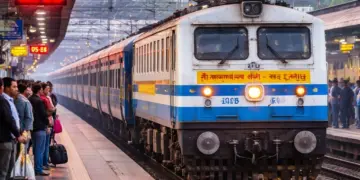






Indian Railways has launched a significant safety modernization project for railway stations located between Baghauli and Shahabad in the Hardoi district. This initiative focuses on replacing outdated manual interlocking systems with cutting-edge electronic interlocking technology to ensure safer and more efficient train operations. The upgrade is set to transform the infrastructure at key stations including Hardoi, Baghauli, Behta Gokul, and Shahabad.
Key highlights of the infrastructure upgrade include:
- Replacement of traditional manual interlocking with advanced electronic systems.
- Automation of signaling and point operations to eliminate human error.
- Improved fault detection capabilities and simplified maintenance protocols.
- Enhanced operational reliability for high-traffic rail routes.
A Leap Toward Modern Signaling
Electronic interlocking is a major technological advancement in railway signaling. Unlike traditional relay-based systems that are prone to wear and tear, these new digital systems offer faster fault detection and require significantly less maintenance. By automating the signaling process, Indian Railways aims to minimize the scope for human error, which is a critical step in bolstering the safety integrity of the rail network. This project is part of a broader, nationwide effort to modernize infrastructure, following similar recent approvals for the South East Central Railway and the Asansol division of Eastern Railway.
Impact on Passenger Travel
For passengers and commuters, this upgrade translates to a more reliable and streamlined travel experience. As the high-traffic rail network in the Hardoi region undergoes this technical overhaul, train movements are expected to become more efficient, reducing potential bottlenecks caused by signaling delays. The integration of this technology is a testament to the national railway’s commitment to adopting global safety standards. As work progresses, the modernization of these stations will ensure that the region remains well-equipped to handle increasing traffic demands while maintaining the highest safety standards for all travelers.