




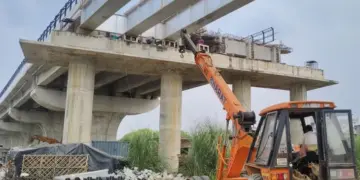
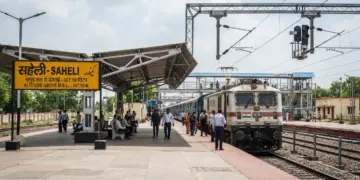







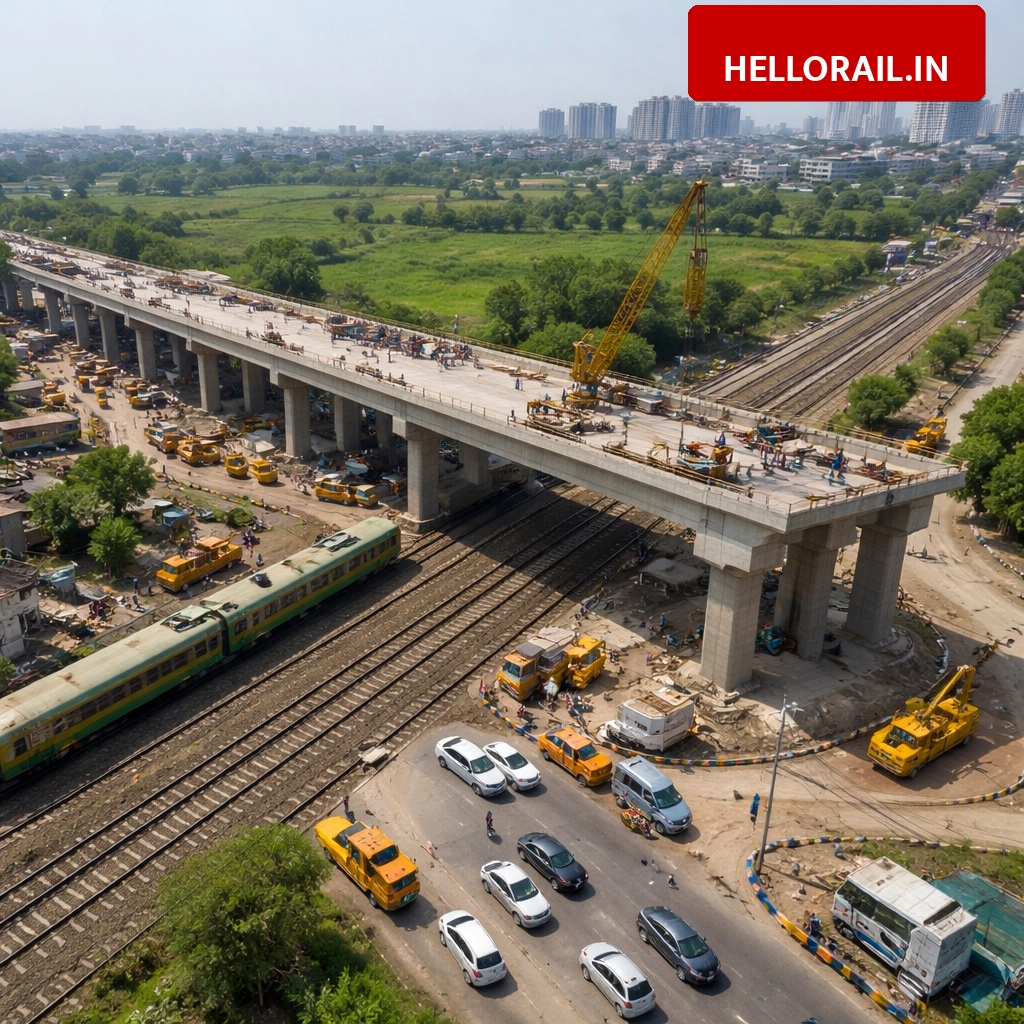

The Gurugram Metropolitan Development Authority (GMDA) is planning to build a Railway Overbridge (ROB) at the Sector-37D railway crossing, also known as LC-29, on Basai-Garhi Road. This project aims to end long traffic jams and provide better connectivity between Old Gurugram and the Dwarka Expressway. The bridge will benefit residents of nearby sectors and various residential townships.
👉: Amarnath Yatra: Security and passenger facilities enhanced at Jammu Railway Station।
What is the current status and cost of the project?
GMDA is currently appointing a new consultant to prepare a fresh feasibility report and Detailed Project Report (DPR) because the previous work was not satisfactory. The project cost is estimated between ₹59 crore and ₹100 crore, depending on the final design. The Railway Department and GMDA have agreed to share the construction costs on a 50:50 basis.
Will the bridge be two-lane or four-lane?
While there is enough space for a two-lane ROB, GMDA CEO PC Meena has pushed for a four-lane flyover to handle more traffic. The authority is currently checking land ownership details with the Haryana Urban Development Authority (HSVP) to see if a four-lane structure is possible on the Sector-37 side. If enough land is secured, the project scope will be upgraded from the initial two-lane plan.
Who will benefit from this new ROB?
The bridge will remove the bottleneck at Railway Crossing No. 29, helping people traveling to Dwarka Expressway and Garhi Harsaru. The main beneficiaries include:
- Residents of Sectors 37C, 37D, and 9B
- People living in Basai village
- Residents of BPTP Township, Imperial Esfera, ILD Greens, Apex Our Homes, and Signature Global
Frequently Asked Questions (FAQs)
Who is paying for the construction of the Sector-37D ROB?
The construction cost will be shared equally (50:50) between the Gurugram Metropolitan Development Authority (GMDA) and the Railway Department.
Why is a new consultant being appointed for the project?
GMDA is hiring a new consultant to prepare the feasibility report and DPR because the work submitted by the previous consultant was found to be unsatisfactory.