


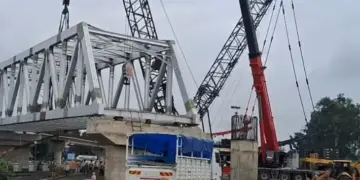


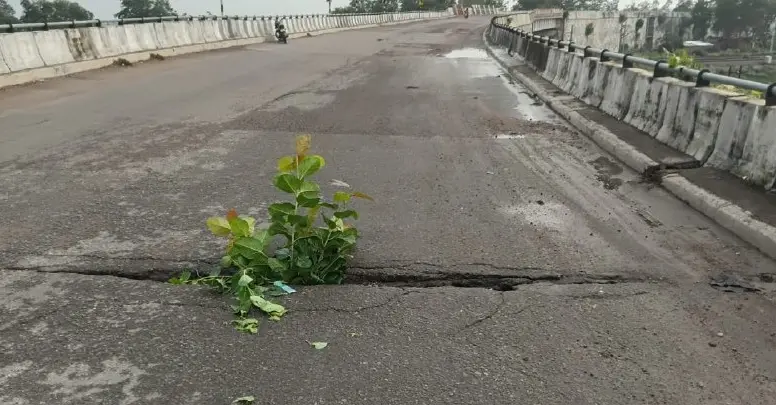

The Jarwal Road Railway Overbridge on the Lucknow-Bahraich National Highway has been closed to traffic following the emergence of cracks in a cement panel near the railway line. The closure, which took effect at approximately 10 PM on Sunday, July 12, 2026, has disrupted movement on this vital transport artery, necessitating diversions for commuters and heavy vehicles alike.
Key details regarding the incident include:
- The bridge closure was triggered by a shifting cement panel identified by local residents.
- NHAI officials cite water leakage and soil erosion as the primary causes for the structural failure.
- A comprehensive assessment by senior NHAI authorities is scheduled for Tuesday.
- Authorities estimate that repairs may take up to two months, keeping the bridge out of service.
A History of Structural Concerns
This incident marks the third time the bridge has faced closure since its inception. The 1.5-kilometer overbridge, which was constructed by PNC Company at a cost of 60 crore rupees, was inaugurated on August 28, 2018. Alarmingly, it required its first major repair just four months later on December 30, 2018, due to similar panel breakage. Local commuters have long expressed concerns regarding the bridge’s integrity, frequently reporting sunken road sections and the development of large potholes.
Official Response and Traffic Impact
Santosh Kumar Singh, the in-charge of the Jarwal Road Police Station, confirmed that the site has been secured and all relevant departments have been notified to handle the traffic diversion. The bridge serves as a critical link on the Lucknow-Bahraich route, and its closure has caused significant congestion in the surrounding areas.
NHAI officials are expected to conduct a detailed technical inspection on Tuesday to determine the full extent of the damage and estimate the total repair costs. Until the necessary structural reinforcements are completed and deemed safe by technical experts, the bridge will remain closed to all vehicular traffic. Motorists are advised to follow local traffic diversions and plan their travel accordingly, as the restoration process is expected to extend over the coming months.