





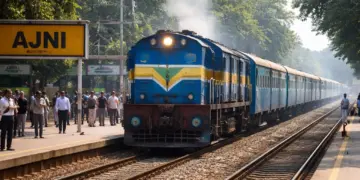









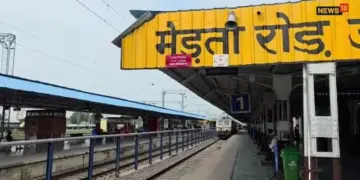
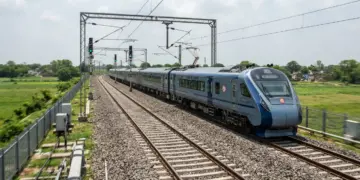







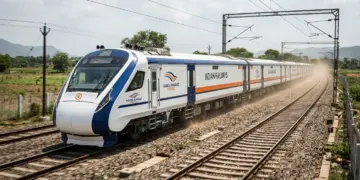



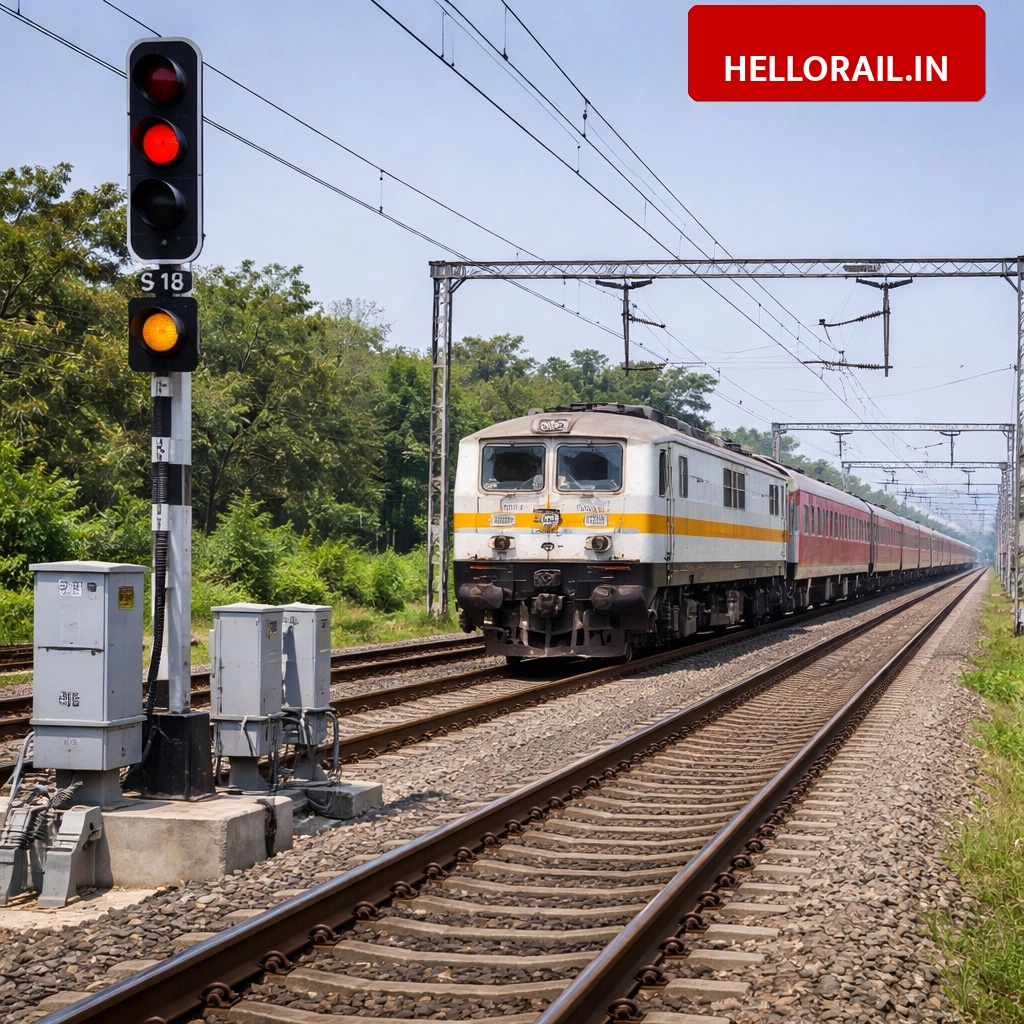

The Moradabad Division of Northern Railway has implemented the Automatic Block Signaling (ABS) system on the Moradabad-Delhi rail section. This new technology was commissioned on June 17 and 18, 2026, covering a total distance of 24.73 km. The move aims to improve train punctuality and reduce delays for passengers traveling on this busy route.
Which sections are covered under the new signaling system?
The ABS technology has been deployed across three specific sections to streamline train movements. These include:
- Pilkhua to Hapur: 11.3 km
- Hapur to Babugarh: 7.7 km
- Babugarh to Kuchesar: 5.73 km
What technology was used for safety and monitoring?
The project utilized Electronic Interlocking (EI) and Optical Communication (OC) based technology. To ensure the exact position of trains on the track, MSDAC technology for double monitoring was used. Additionally, railway safety was boosted by interlocking five level crossing gates and installing warning systems at nine other crossings.
How will this impact train operations and passengers?
Senior Divisional Commercial Manager (DCM) Mahesh Yadav stated that the ABS system will reduce human errors and improve the punctuality of trains. While the commissioning led to some diversions and rescheduling of trains between June 9 and 16, 2026, the long-term effect will be a safer and faster journey for the common man.
Frequently Asked Questions (FAQs)
What is the benefit of the new ABS system on the Moradabad-Delhi route?
The Automatic Block Signaling system reduces human error and improves train punctuality, ensuring trains reach their destinations on time.
Which technical tools were used in this project?
The project used Electronic Interlocking (EI), Optical Communication (OC), and MSDAC technology for double monitoring of train positions.