









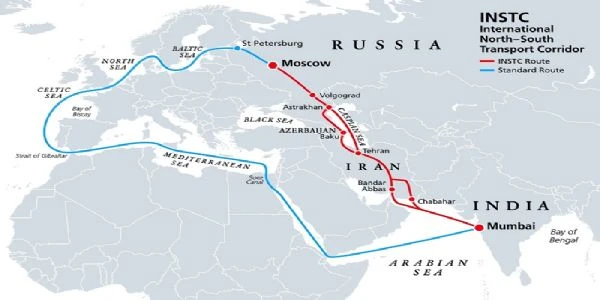

The Taliban administration in Afghanistan has officially expressed its willingness to guarantee the security of a potential railway corridor that could link Russia to India. This ambitious infrastructure project, which aims to enhance connectivity across Central and South Asia, is being viewed as a strategic move to boost regional trade and create significant employment opportunities within Afghanistan. The proposal, which remains in its preliminary stages, is currently being discussed as a viable alternative to existing maritime routes.
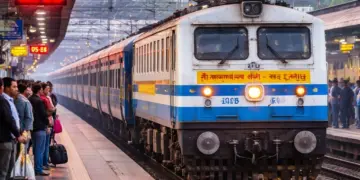
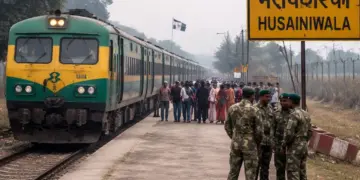
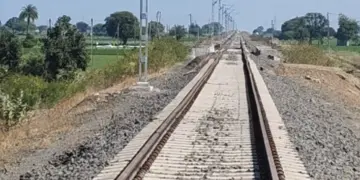
- Taliban’s Economic Ministry has pledged to ensure the safety and security of the proposed rail network.
- The project aims to reduce dependence on maritime routes through the Strait of Hormuz, which currently face geopolitical risks.
- The rail corridor could pass through nations including Turkmenistan, Iran, Afghanistan, and Pakistan.
- India and Russia have set an ambitious target to reach $100 billion in bilateral trade by 2030.
Strategic Importance of the Rail Corridor
The proposal was brought to the forefront by Russian Deputy Prime Minister Marat Khusnullin, who emphasized the need for an alternative route to the Indian Ocean. For Russia, this rail link represents a vital path to bypass maritime bottlenecks and ensure a more stable supply chain for its trade with India. For Afghanistan, which is a landlocked nation rich in natural resources, this project offers a chance to transform into a regional transit hub, generating substantial income through logistics and cross-border trade.
Challenges and Future Outlook
While the prospect of a direct rail link between Russia and India through the heart of Asia is promising, experts note that the project faces formidable challenges. Successful implementation will require extensive coordination regarding security, massive financial investment, and the development of robust infrastructure across diverse terrains. Furthermore, the complex regional political landscape remains a critical factor that will dictate the project’s feasibility.
Since the Taliban assumed power in 2021, Russia has steadily increased its economic and security engagement with Kabul. With a military cooperation agreement already signed between the two sides earlier this year, the diplomatic framework for such a large-scale project is beginning to take shape. As India continues to strengthen its strategic and defense ties with Russia, this rail initiative stands as a long-term vision to redefine connectivity and economic cooperation in the region.