
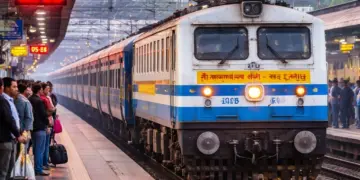




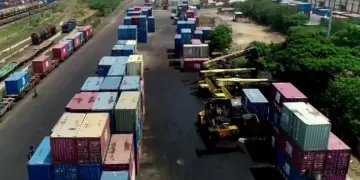
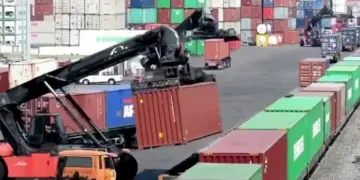


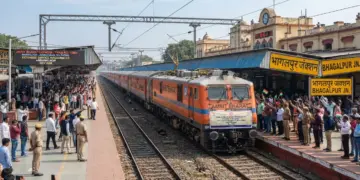

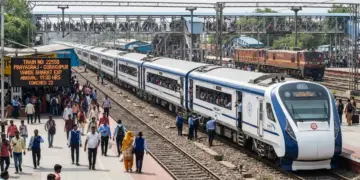
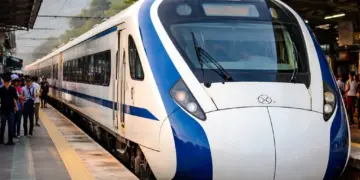




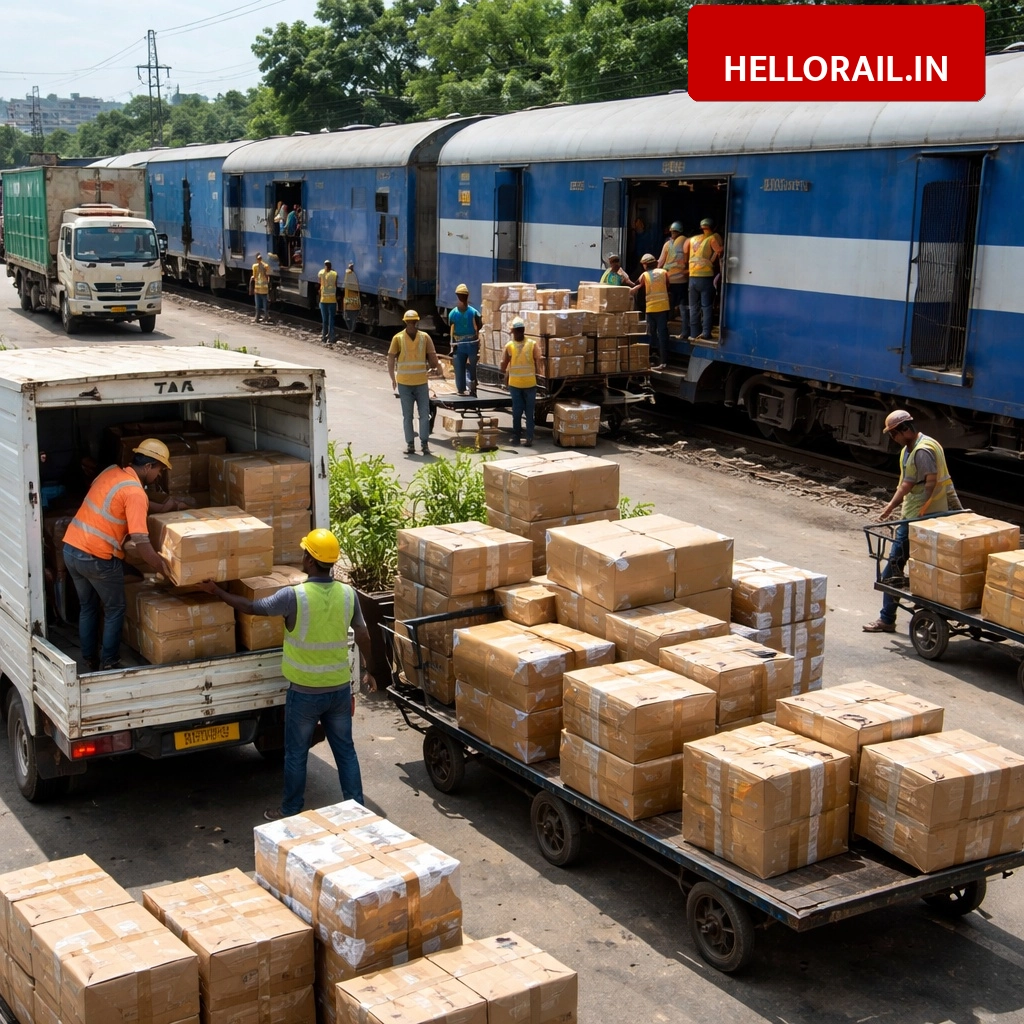

Indian Railways has introduced a new parcel policy to make freight transport faster and cheaper for traders. Under this system, goods can now reach their destination even if there is no direct train available. The Railway Board authorized this trans-shipment of parcels at specific stations through Freight Marketing Circular No. 06 of 2026.
How does the new trans-shipment system work?
Earlier, if there was no direct train, parcels faced delays because changing trains midway was not allowed. Now, the railways will allow the transfer of goods at junction stations. For example, 240 kg of iron goods were successfully sent from Jammu to Bengaluru using this connecting facility. A Single Parcel Way Bill has also been introduced to make billing easier for the users.
Who will benefit from these changes?
This policy focuses on reducing costs and transit time, making rail transport a better alternative to road transport. The main beneficiaries include:
- Small traders and farmers
- E-commerce companies
- Fruit and vegetable merchants
What are the other recent policy updates?
| Date | Update/Change |
|---|---|
| Feb 27, 2026 | Trans-shipment allowed at junction stations |
| March 12, 2026 | Rail Parcel app launched on pilot basis by South Central Railway |
| April 1, 2026 | Lease contracts extended to 2 years and security deposits halved |
| Nov 29, 2025 | Financial eligibility norms relaxed for parcel aggregators |
Frequently Asked Questions (FAQs)
What is the benefit of the new trans-shipment policy?
It allows parcels to be transferred between trains at junction stations, which reduces transit time and costs, especially for perishable goods.
What is the Single Parcel Way Bill?
It is a new streamlined billing system introduced by Indian Railways to make the booking and tracking of parcels simpler for traders.