




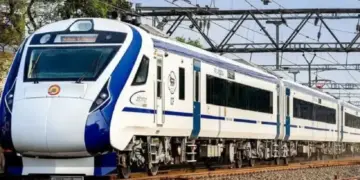


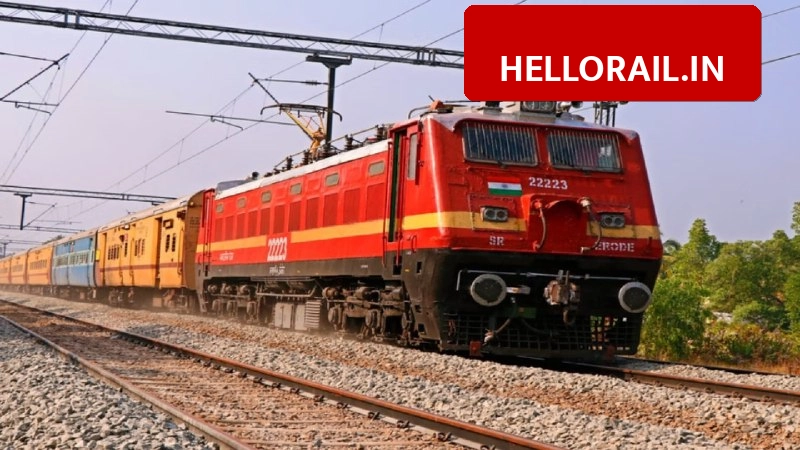

Indian Railways is planning to introduce a new technical system to ensure that trains do not stop or slow down during heavy lightning strikes in the monsoon. The focus is to protect the Overhead Equipment (OHE) and traction substations from sudden power trips. This move will help in maintaining the punctuality of trains during bad weather.
What is the Disconnector Assembly System?
The railway will install lightning arresters equipped with a disconnector assembly. This system is designed to identify and isolate faulty arresters from the main power line after a lightning surge. By doing this, the rest of the OHE system remains safe and functional, preventing a total power failure that usually leads to train delays.
How will Thermo-vision cameras help?
Along with the new arresters, Indian Railways will use thermo-vision camera technology. These cameras will monitor the temperature of the electrical equipment in real-time. They will identify hotspots or small faults before they become major problems, allowing the railway staff to fix them without interrupting the power supply.
Key technical highlights of the plan
- Installation of lightning arresters with disconnector assembly to isolate faults.
- Use of thermo-vision cameras for temperature monitoring and hotspot detection.
- Protection of traction substations from high-voltage surges.
- Implementation reported in the Prayagraj region to ensure uninterrupted OHE power.
Frequently Asked Questions (FAQs)
What is the purpose of the disconnector assembly in OHE?
It is used to isolate faulty lightning arresters from the system after a surge, ensuring the power supply to trains continues without tripping.
How do thermo-vision cameras assist the railway?
These cameras detect overheating or hotspots in the electrical equipment, helping officials find and fix faults before they cause a power outage.