

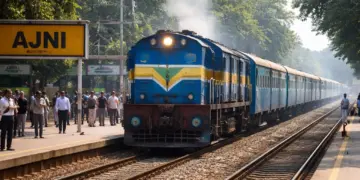

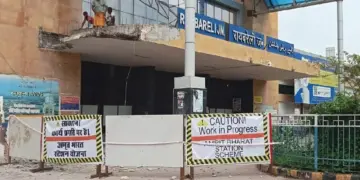

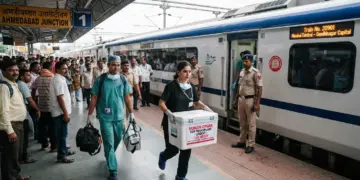


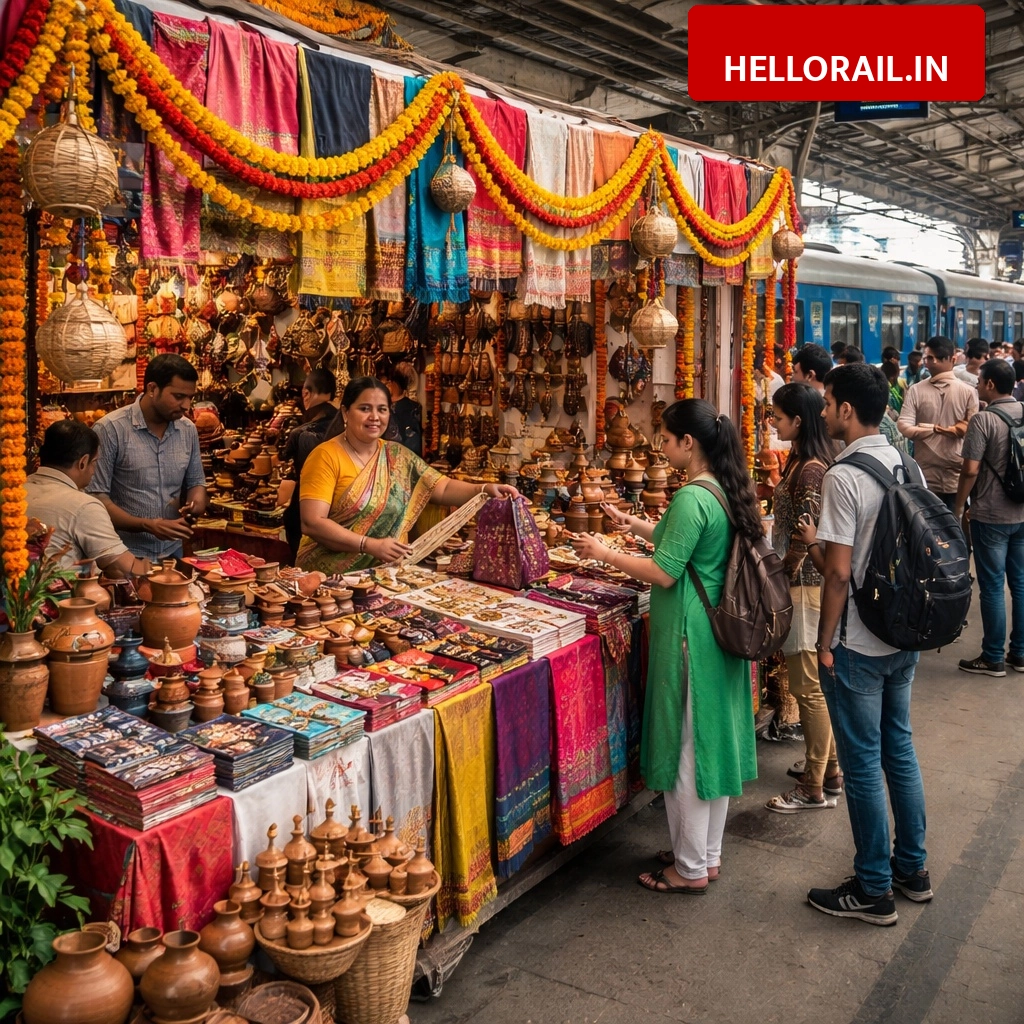

Indian Railways is expanding the ‘One Station One Product’ (OSOP) scheme to 29 more stations. This plan aims to bring the most famous local goods of each city directly to the railway platforms. The initiative helps local artists and small businesses reach more customers by using the railway network.
What is the One Station One Product scheme
The OSOP scheme started in the 2022-23 Union Budget to promote the Vocal for Local vision. It provides a marketplace for indigenous products and showcases India’s heritage. By January 19, 2026, over 2,326 outlets were set up across 2,000 stations, benefiting more than 1.32 lakh people. These stalls are designed by the National Institute of Design (NID) to maintain a uniform look.
Who can apply and what is sold
The scheme is open to registered artisans, weavers, SHGs, and MSMEs. Stalls are given on a rotational basis with a small registration fee. Priority is given to products with Geographical Indication (GI) tags. The items sold include:
- Handicrafts and textiles
- Local food products
- Toys and leather goods
- Jewelry and traditional tools
Recent updates for specially-abled artisans
On June 12, 2026, the Ministry of MSME announced a new push under the PM Vishwakarma Yojana. This update provides market access and livelihood opportunities for specially-abled (Divyangjan) artisans. Under this move, 28 specially-abled beneficiaries have been provided stalls at various railway stations to help them earn a living.
Frequently Asked Questions (FAQs)
Who is eligible to open a stall under OSOP?
Registered artisans, weavers, Self Help Groups (SHGs), MSMEs, and those with Artisan/Weaver ID cards are eligible. Applications are handled through agencies like KVIC, NHDC, and TRIFED.
How many stations are currently covered under this scheme?
As of January 19, 2026, the scheme has reached over 2,000 railway stations with approximately 2,326 OSOP outlets established.