

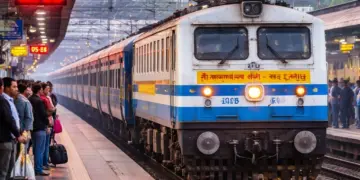

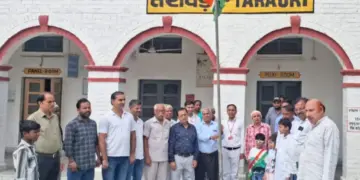
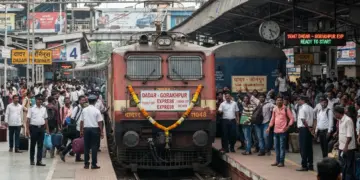
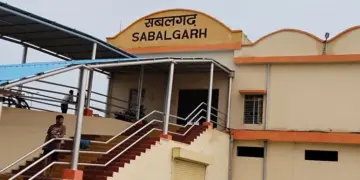
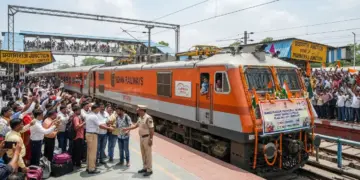

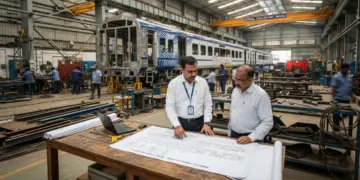

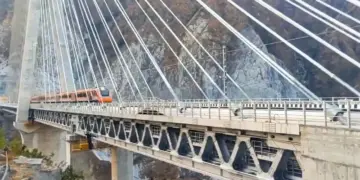



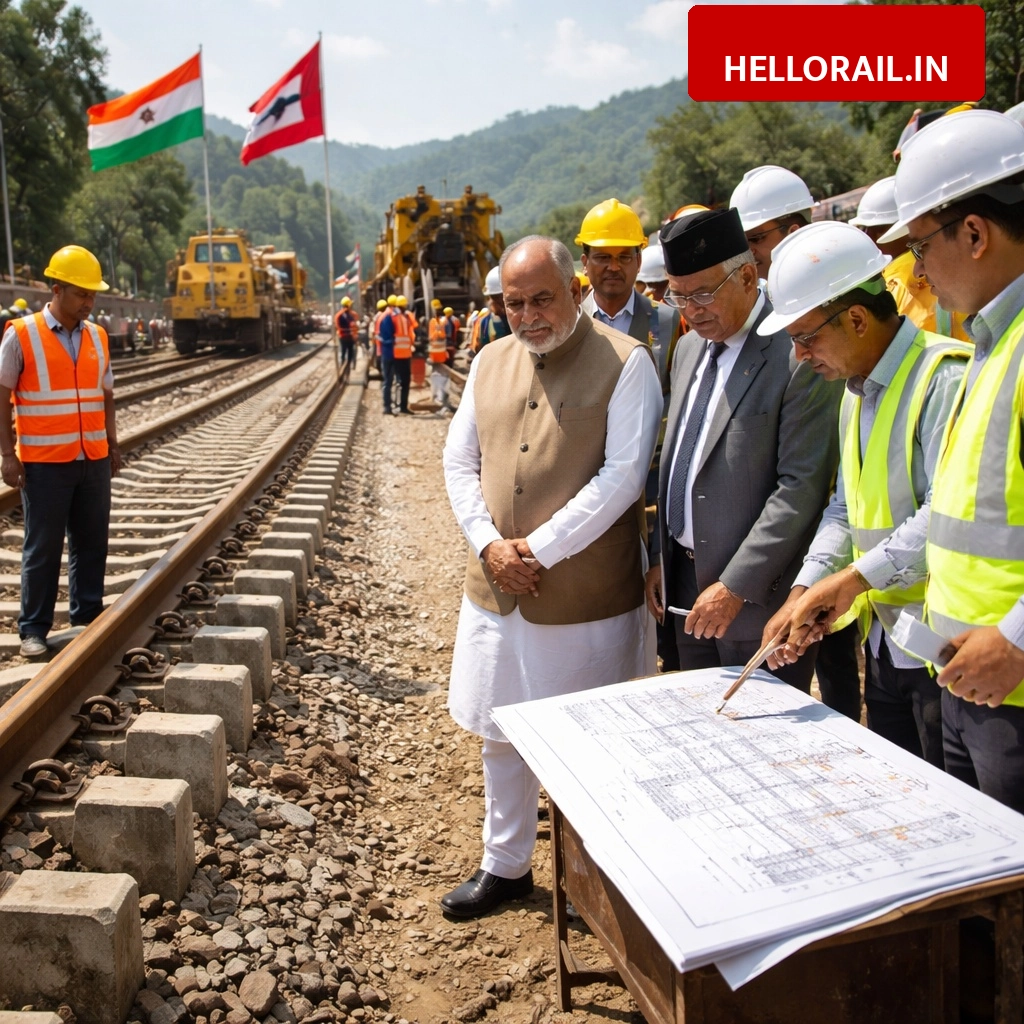

India and Nepal recently held high-level meetings in Kathmandu to speed up cross-border railway projects. The 10th Project Steering Committee and 8th Joint Working Group met on June 11-12, 2026, to review the Raxaul-Kathmandu broad gauge line. Both countries agreed to stay in close touch to strengthen their railway cooperation.
What is the status of the Raxaul-Kathmandu rail line?
Railway Minister Ashwini Vaishnaw informed the Rajya Sabha on March 20, 2026, that the Final Location Survey (FLS) and Detailed Project Report (DPR) for the 136 km line are complete. The project is planned as an electrified broad gauge link. However, construction has not started yet as land acquisition and funding details are still being finalized.
What are the technical challenges and costs of this project?
Building a railway line through the Himalayan terrain is a difficult task. The project requires significant engineering work to make the route feasible. Key technical data is provided below:
| Feature | Details |
|---|---|
| Total Length | 136 km |
| Estimated Cost | US$3 billion (NPR 400 billion) |
| Tunnels Required | Approximately 42 km |
| Major Bridges | 124 bridges |
| Gauge Type | Broad Gauge (1,676 mm) |
Which other rail projects were discussed?
Apart from the Kathmandu line, the two nations discussed starting passenger train services on the Janakpur-Ayodhya section. They also reviewed the development of the Jaynagar-Bijalpura-Bardibas and Jogbani-Biratnagar lines. Additionally, India will provide technical support for Nepal’s East-West Railway project.
Frequently Asked Questions (FAQs)
How long is the proposed Raxaul-Kathmandu rail line?
The proposed rail line is 136 km long and will be an electrified broad gauge track connecting Raxaul in India to Kathmandu in Nepal.
Who is handling the survey and report for this project?
Konkan Railway Corporation Limited of India was entrusted with the preliminary survey and has completed the Final Location Survey (FLS) and Detailed Project Report (DPR).