
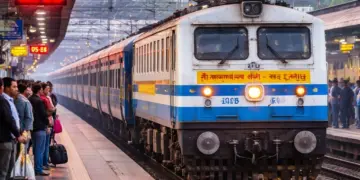

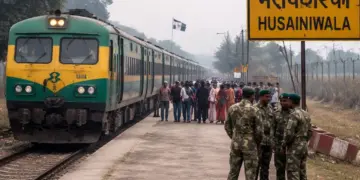
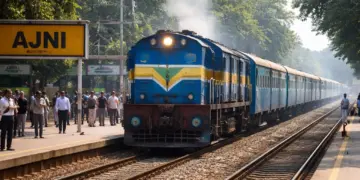



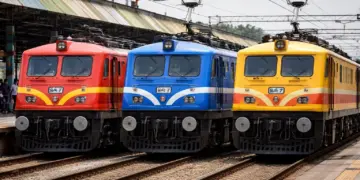








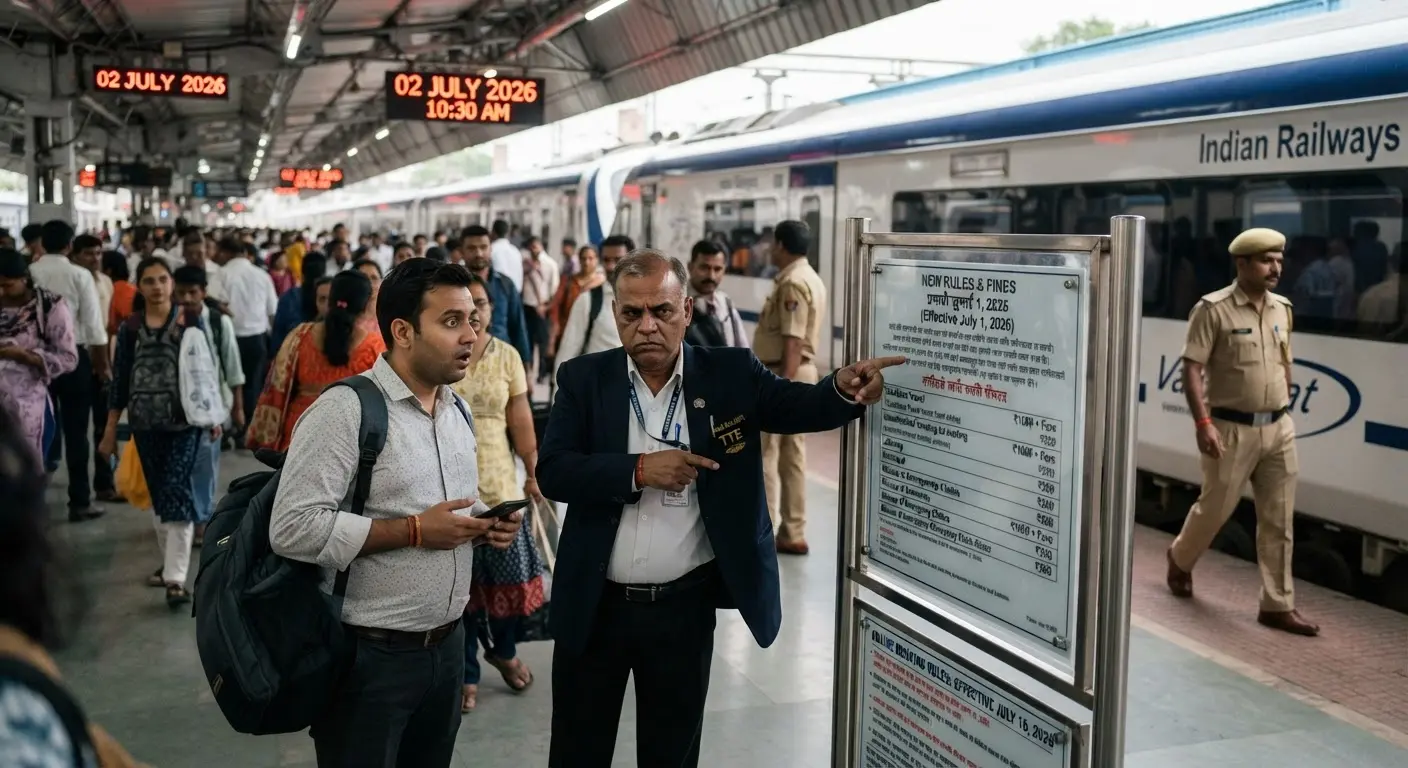

Indian Railways is set to roll out a major overhaul of its passenger and operational regulations as part of the Ministry of Railways’ ambitious “52 reforms in 52 weeks” initiative. These changes, aimed at improving safety, accountability, and operational discipline, will take effect in two phases starting July 1, 2026, with specific digital booking updates following on July 15, 2026. Railway Minister Ashwini Vaishnaw noted that these reforms, falling under the Jan Vishwas (Amendment of Provisions) Act 2026, are designed to streamline the network for a better passenger experience.
Key updates include:
* Ticketless travel fine increased to ₹500 plus fare
* Stricter penalties for unauthorized entry into women-reserved coaches
* Higher fines for smoking and dangerous acts like roof-riding
* Mandatory original ID for RailOne mobile app ticket bookings
* Digital-only ticket verification for unreserved travel
Revised Penalties for Passenger Conduct
Starting July 1, 2026, the railway network will enforce a more rigorous penalty structure to curb misuse of facilities. The minimum fine for travelling without a ticket has been doubled to ₹500, excluding the applicable fare. To ensure the safety and comfort of female passengers, those found in women-reserved coaches without authorization now face a penalty of up to ₹2,500 and immediate removal from the coach, with court proceedings potentially leading to a ₹5,000 fine for non-payment. Notably, transgender persons are exempt from this specific provision.
Other safety-related fines have also been significantly hiked. Smoking on trains or railway premises will now incur a ₹2,000 fine, which can escalate to ₹5,000 in court. Dangerous activities, such as travelling on roofs, steps, or train engines, now carry a civil penalty of up to ₹2,000. Furthermore, carrying prohibited items on board can result in a minimum penalty of ₹10,000.
New Online Booking and Digital Reforms
From July 15, 2026, passengers booking general (unreserved) tickets via the RailOne mobile app must adhere to new verification protocols. Passengers are now required to provide a valid photo ID (Aadhaar, Voter ID, PAN card, or driving license) during booking and must carry the original document during their journey. It is crucial to note that screenshots or WhatsApp images of tickets will no longer be accepted; passengers must display their tickets directly within the RailOne app to avoid being treated as ticketless.
Additional operational reforms include the digitalization of Duty Passes for railway employees via the HRMS portal and the ability for passengers to change their boarding station up to 30 minutes before departure. These measures collectively aim to strengthen passenger verification and ensure a more secure, modern, and disciplined railway environment.