
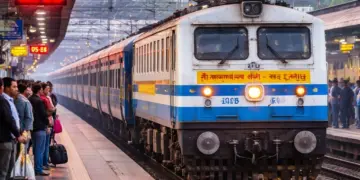


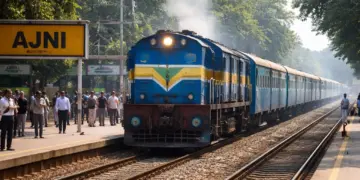


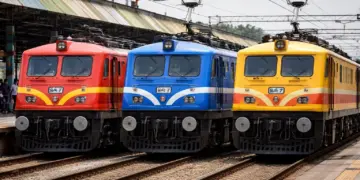



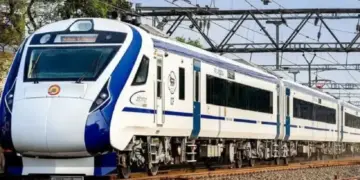

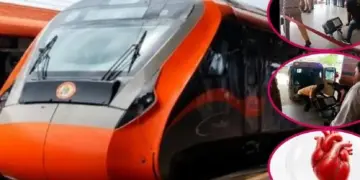

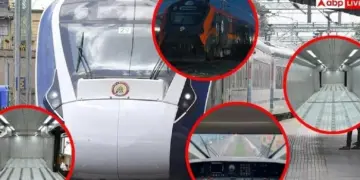
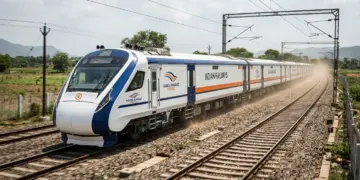
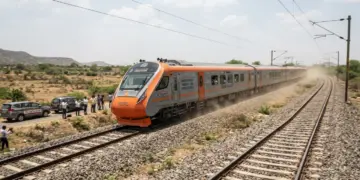


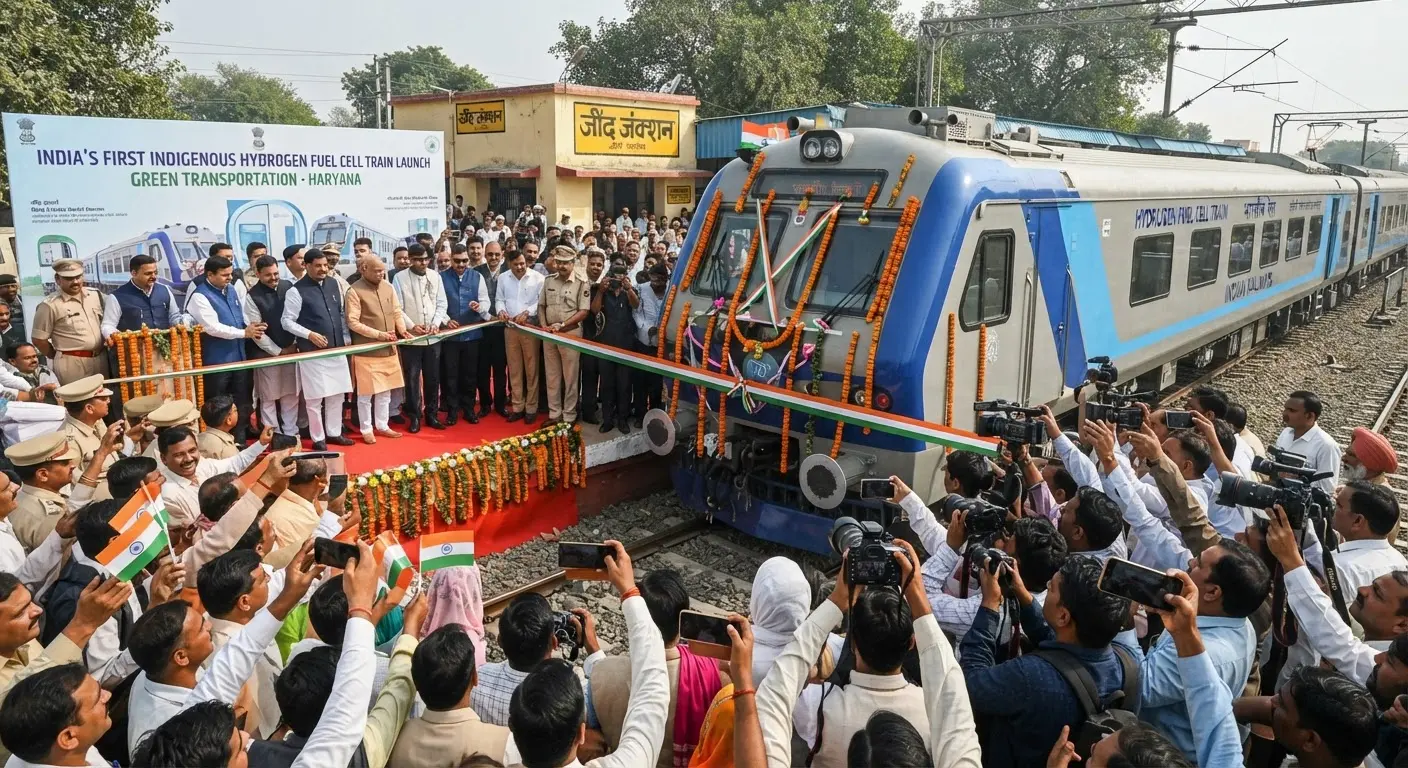

India has officially entered a new era of sustainable rail travel with the successful launch of its first indigenous hydrogen fuel cell train. Operating on the Jind-Sonipat section in Haryana, this locomotive marks a historic transition toward green mobility for Indian Railways, moving away from traditional diesel-powered engines. By utilizing hydrogen fuel cell technology, the train generates electricity through a clean chemical process that leaves behind only water vapor, effectively eliminating harmful carbon emissions.
Key highlights of India’s new hydrogen-powered train include:
- Route: Operates on the Jind-Sonipat rail section in Haryana.
- Technology: Powered by indigenous hydrogen fuel cells with zero carbon emissions.
- Speed: Capable of reaching a maximum speed of approximately 75 kilometers per hour.
- Capacity: Features a 10-coach configuration designed to transport around 2,600 passengers per trip.
A Milestone for Green Railways
This project reflects India’s growing commitment to environmental sustainability and self-reliance in cutting-edge transport technology. By joining the elite league of nations that have successfully deployed hydrogen train technology, Indian Railways is positioning itself as a leader in global eco-friendly transit. The project is not just a technological feat but a strategic step toward achieving a net-zero carbon emission rail network in the coming years.
Future of Sustainable Mobility
Unlike conventional overhead electric lines or diesel locomotives, this hydrogen fuel cell train offers a flexible and clean alternative for non-electrified routes. The successful implementation on the Jind-Sonipat line serves as a pilot for potential wider adoption across the country’s vast railway network. As the nation pushes for greener infrastructure, this indigenous advancement proves that homegrown innovation is at the heart of India’s railway modernization strategy. Passengers and rail enthusiasts alike can look forward to a cleaner, quieter, and more sustainable future as this technology scales up.