
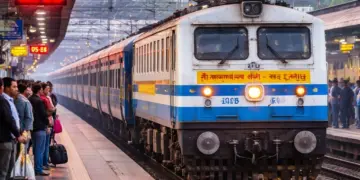


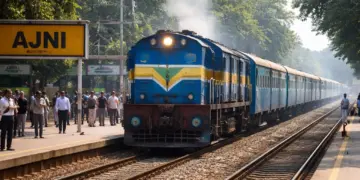







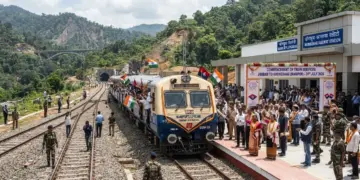






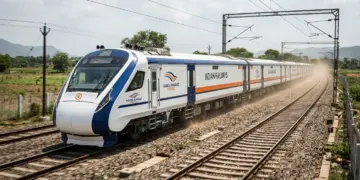




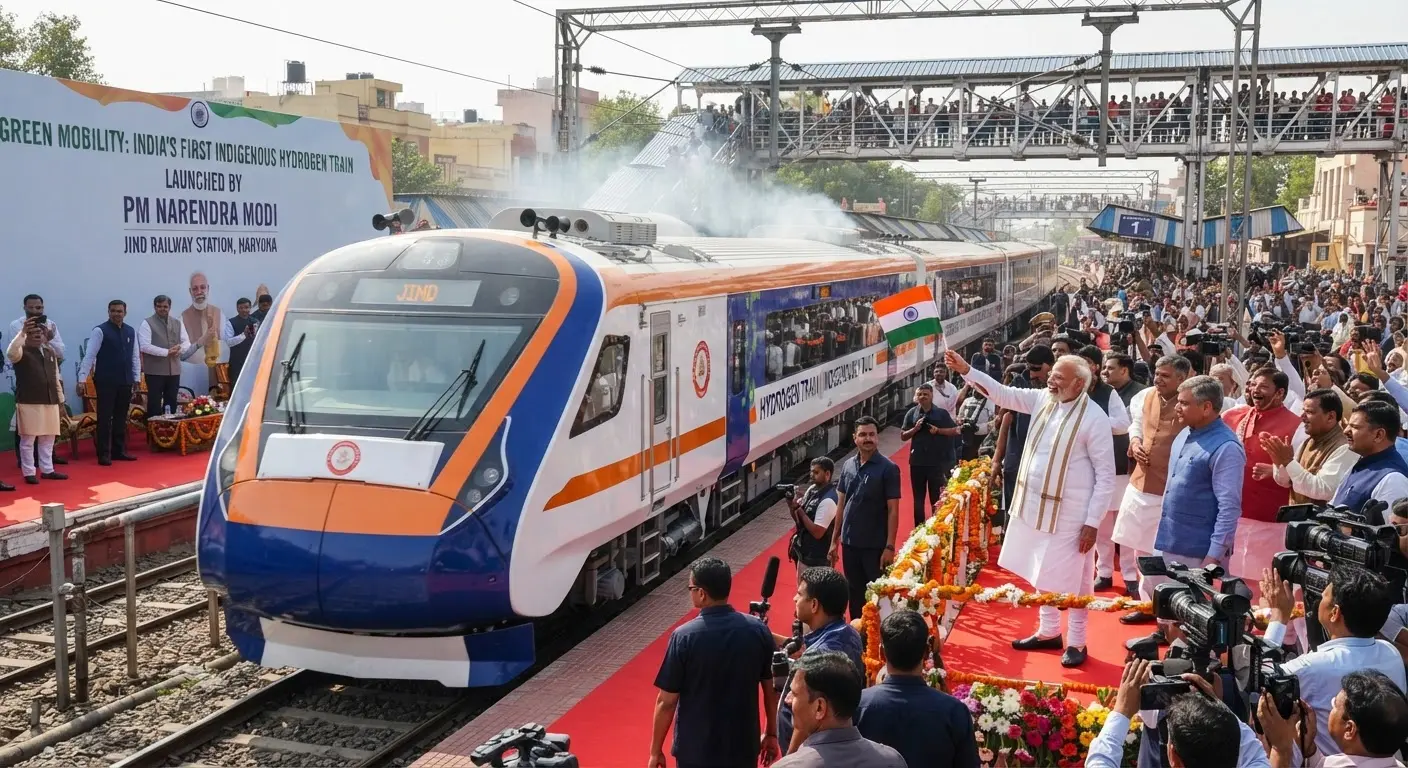

India has officially embraced the future of sustainable rail travel with the inauguration of its first indigenous hydrogen-powered train. Flagged off by Prime Minister Narendra Modi on July 17, 2026, at Jind railway station in Haryana, this milestone is a major achievement for the nation’s ‘Green Transport Mission’ and ‘Hydrogen for Heritage’ project. This initiative highlights India’s technological prowess and its commitment to reducing its carbon footprint in the transportation sector.
- The train features a powerful 10-coach configuration with a 3,200 horsepower propulsion system.
- It operates on advanced hydrogen fuel cell technology, ensuring zero carbon emissions.
- The train is designed for an operational speed of 75 kmph and a maximum design speed of 110 kmph.
- A state-of-the-art hydrogen refueling facility, licensed by PESO, has been established at Jind.
Engineering a Greener Future
This project stands as a testament to the Atmanirbhar Bharat (self-reliant India) vision. The train was entirely designed, engineered, and integrated within the country. The success of this project is a result of a collaborative effort between Indian Railways, the Research, Design & Standards Organisation (RDSO), Integral Coach Factory (ICF) Chennai, and Tata Advanced Systems, with technical support from the Spanish company Green H for the hydrogen plant infrastructure.
Route Details and Passenger Safety
Initially, the hydrogen train will serve the 89-90 kilometer Jind-Sonipat section, effectively reducing travel time on this route to approximately one hour. While the train has demonstrated speeds of up to 120 kmph during testing, its standard operational speed is set at 75 kmph. Safety remains a top priority; the train is equipped with multi-layer safety systems specifically designed to detect any hydrogen leaks, heat, flames, or smoke, ensuring a secure environment for all passengers.
By launching this train, India has officially joined an elite group of nations—including Germany, Japan, China, and the United States—that are leading the global transition toward hydrogen-powered rail transportation. This move not only modernizes the Indian railway network but also solidifies the country’s position as a serious player in sustainable mobility solutions on the global stage.