
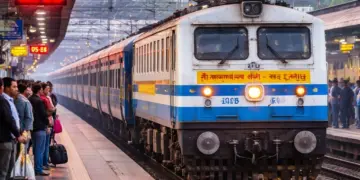






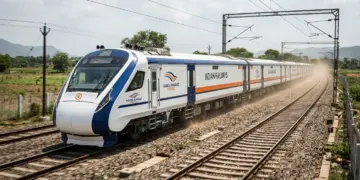



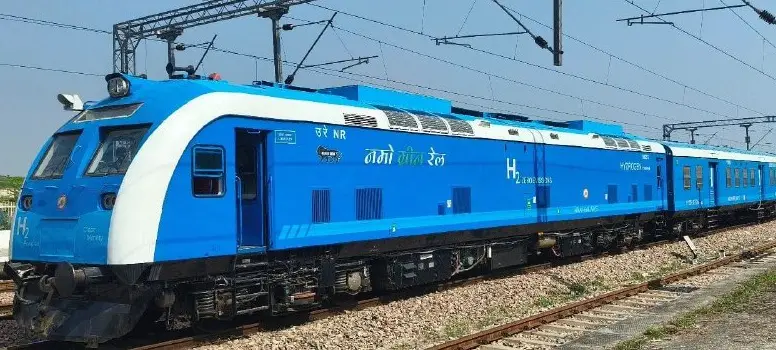

Indian Railways officially stepped into a sustainable future on July 17, 2026, as Prime Minister Narendra Modi flagged off the nation’s first indigenous hydrogen-powered train from Jind, Haryana. This milestone achievement marks India’s entry into an elite group of nations operating hydrogen rail technology, joining Germany, Japan, China, and the United States. Regular passenger services for the public are scheduled to commence on July 18, 2026, following key approvals from the Railway Board and the Petroleum and Explosives Safety Organization (PESO).
- Route: Jind-Sonipat section (89 km, covering 14 stations).
- Technology: 1200KW hydrogen fuel cell system with zero CO2 emissions.
- Capacity: 10-coach train carrying approximately 2,600 passengers.
- Cost: Train construction cost of ₹82 crore; Hydrogen plant cost of ₹125 crore.
- Fares: Affordable ticketing ranging from ₹5 to ₹25.
Engineering and Safety Standards
The train was developed through a collaborative effort involving the Research Design and Standards Organisation (RDSO) for design, the Integral Coach Factory (ICF) for manufacturing, and Medha Servo Drives for system integration. While the hydrogen fuel-cell stacks were sourced from Canada’s Ballard Power Systems, the rest of the unit is entirely indigenous. The train features an operational speed of 75 km/h, with a design capability of 110 km/h.
Safety remains a top priority, with the train equipped with multi-layered hydrogen leak detection, fire suppression, and smoke detection systems that include an automatic emergency shut-off mechanism. To support operations, India’s largest hydrogen storage and refueling facility has been established in Jind, capable of producing hydrogen gas directly from water.
A Greener Future for Indian Railways
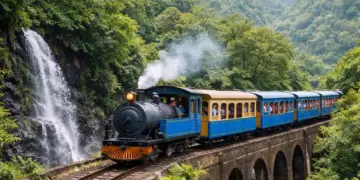
Railway Minister Ashwini Vaishnaw highlighted that this is the world’s longest broad-gauge hydrogen train. This project is a cornerstone of the ‘Hydrogen for Heritage’ initiative, which aims to phase in 35 hydrogen trains across India’s scenic heritage and hilly routes to eliminate pollution. This launch is a major leap toward Indian Railways’ goal of becoming a net-zero carbon emitter by 2030, aligning perfectly with the National Green Hydrogen Mission’s target to produce 5 million tons of green hydrogen annually.