
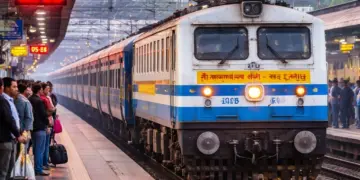

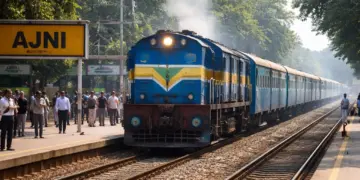







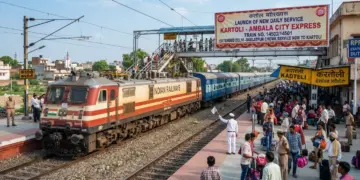


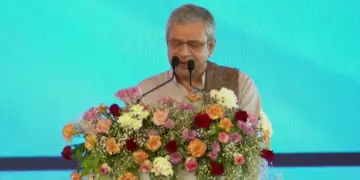


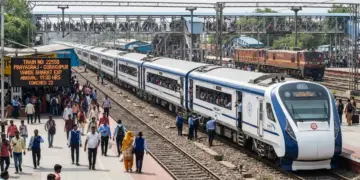
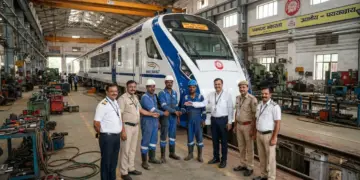

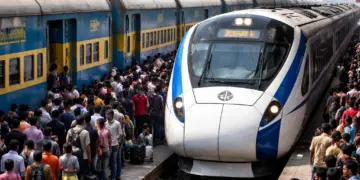






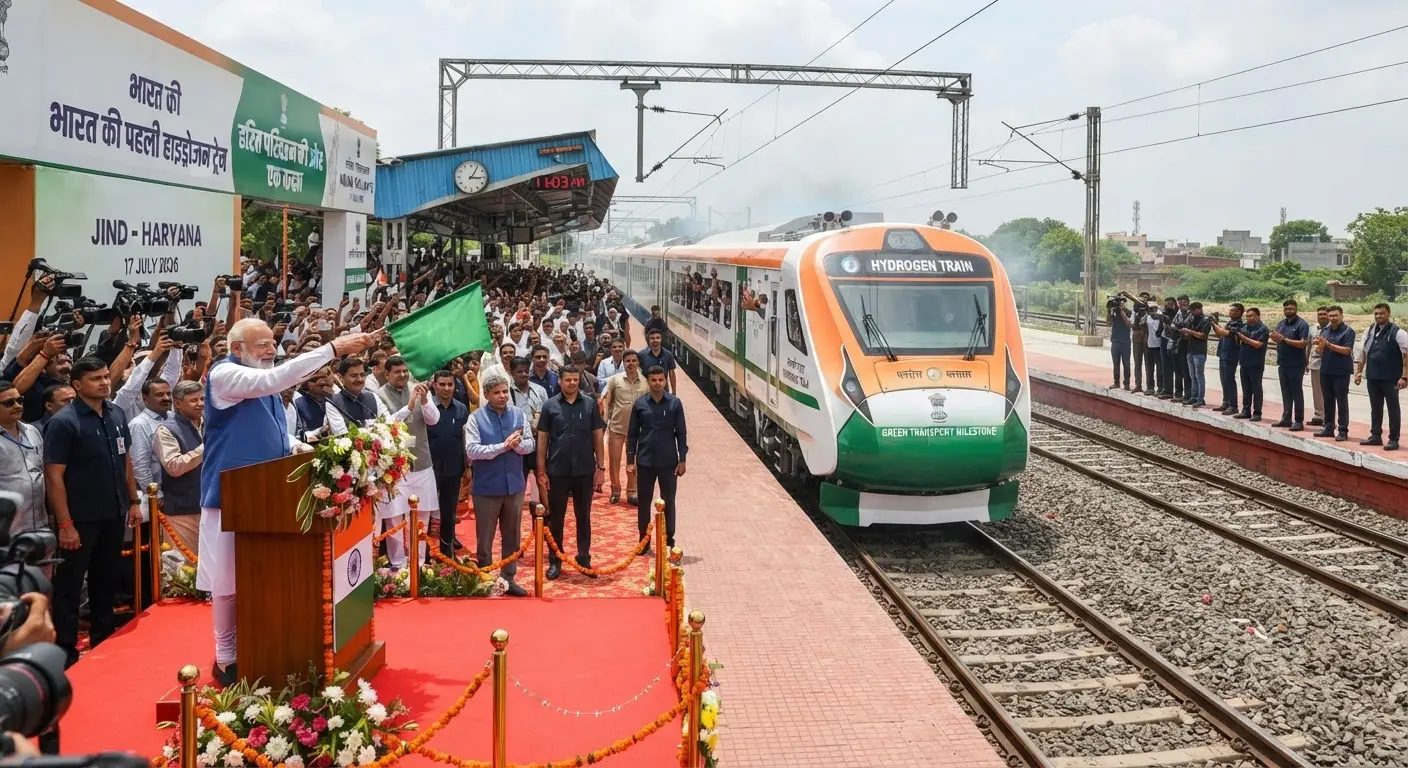

Prime Minister Narendra Modi officially launched India’s first hydrogen-powered train on July 17, 2026, at Jind Railway Station in Haryana. This historic event marks a major milestone in the country’s journey toward sustainable and eco-friendly rail transportation. The indigenous train has begun its inaugural service on the 89-kilometer route connecting Jind and Sonipat, covering 12 intermediate stations in approximately two hours.
- Indigenous Technology: Designed and manufactured entirely in India, the train uses hydrogen fuel cell technology with zero emissions, releasing only water vapor.
- Power and Capacity: The 10-coach train features two 1200 kW Driving Power Cars, offering a total capacity of 2400 kW and space for 2,600 passengers.
- Operational Speed: While the train is capable of reaching 110 km/h, it will run at an operational speed of 75 km/h on the Jind-Sonipat section.
- Global Standing: India now joins an elite group of nations like Germany, France, Sweden, and China in utilizing hydrogen rail technology.
A Greener Future for Indian Railways
This project is a cornerstone of the Indian Railways’ mission to achieve ‘Net Zero’ carbon emissions. By integrating hydrogen power, the national transporter is aligning itself with the vision of ‘Viksit Bharat’ and ‘Aatmanirbhar Bharat’. To support this transition, the government has established India’s largest hydrogen refuelling center in Jind, which has received full licensing from the Petroleum and Explosives Safety Organization (PESO).
Safety and Future Expansion
The project underwent rigorous testing and received formal safety clearance from the Chief Commissioner of Railway Safety (CCRS) following a series of successful trials. The launch of this broad-gauge hydrogen train is just the beginning; Indian Railways has already announced plans to roll out 35 additional hydrogen trains under the ‘Hydrogen for Heritage’ scheme. These future services are expected to be deployed across various heritage and hill routes, further cementing India’s leadership in green rail technology and significantly reducing the carbon footprint of the nation’s extensive rail network.