





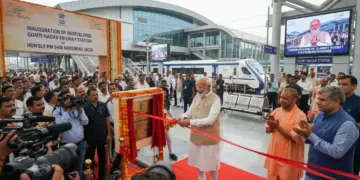

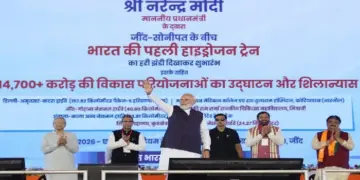
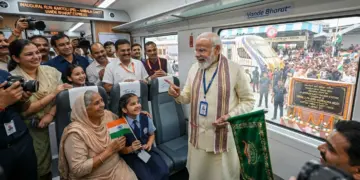
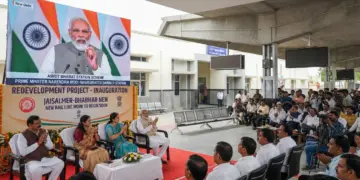
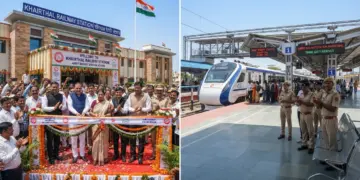
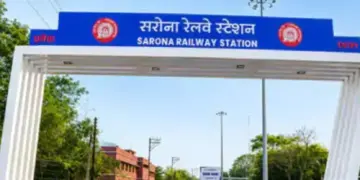

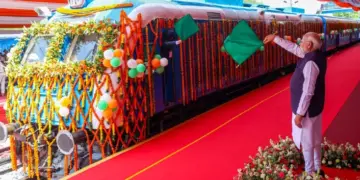







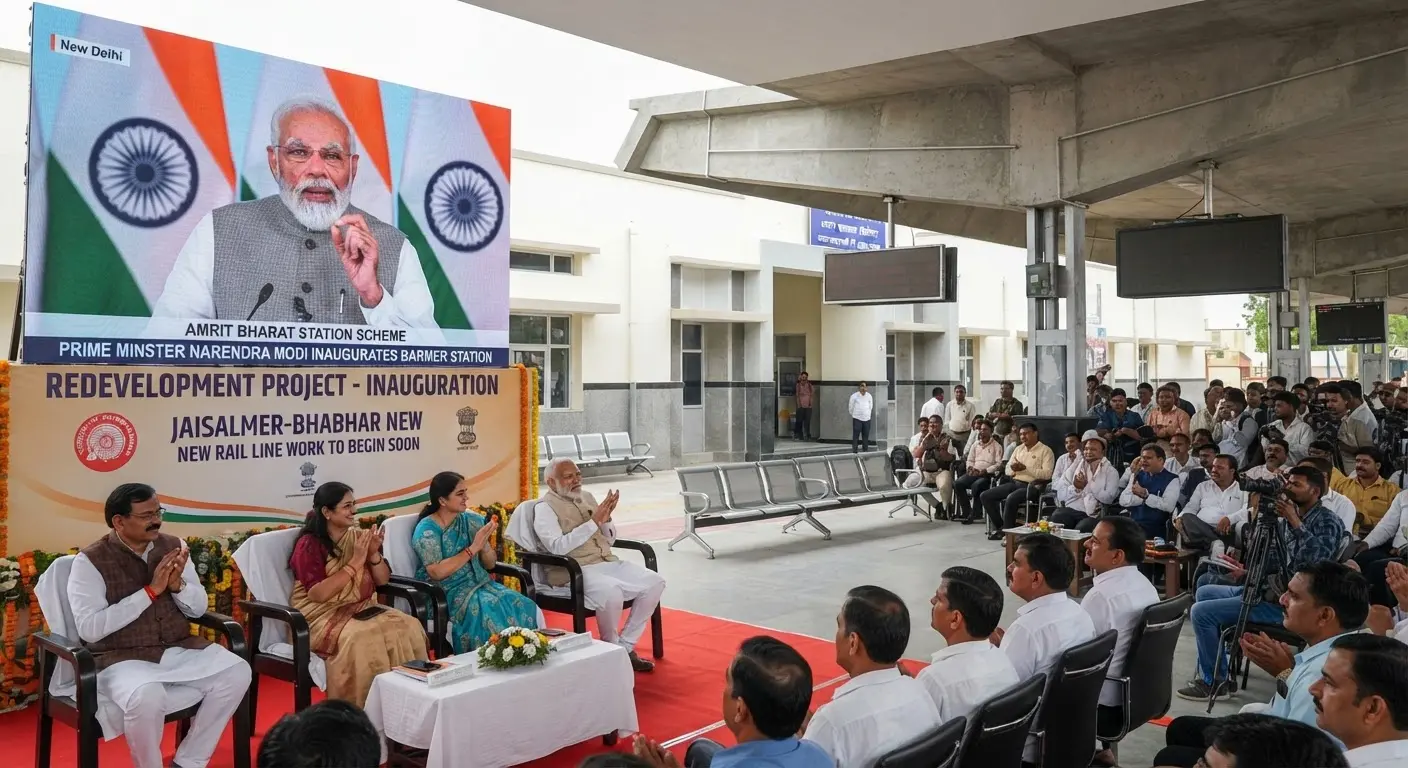

Prime Minister Narendra Modi virtually inaugurated the redeveloped Barmer Railway Station on Friday, July 17, 2026, marking a significant milestone under the ‘Amrit Bharat Station Scheme’. Alongside this modernization project, the government has officially set the wheels in motion for the ambitious 380-kilometer Jaisalmer-Barmer-Sanchore-Bhabhar railway line. Key highlights of the announcement include:
- Barmer Station, a 125-year-old facility, has been upgraded with modern passenger amenities.
- The 380-kilometer rail line project has received central approval with an estimated cost of ₹5000 crore.
- The Railway Ministry has allocated ₹10 crore for the Final Location Survey and Detailed Project Report preparation.
- The new route will span 31 proposed stations across three distinct development phases.
A New Era for Barmer Station
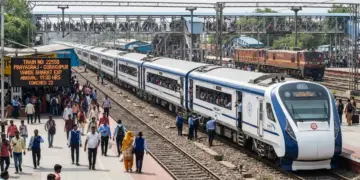
Established in 1899, Barmer Station is a site of deep historical importance, having served as a gateway for cross-border transit until 1965 and enduring significant challenges during the 1971 conflict. The recent redevelopment ensures that this historic hub now meets modern standards, providing a seamless experience for thousands of daily passengers. During the inaugural ceremony, local representatives, including Barmer-Jaisalmer MP Umedaram Beniwal and MLA Priyanka Chaudhary, discussed the future of the region’s connectivity, with a strong push for the introduction of a Vande Bharat service to further enhance travel options for the local population.
Strategic Connectivity with the Jaisalmer-Bhabhar Line
The upcoming 380-kilometer rail link is a massive infrastructure boost for the border regions of Rajasthan and Gujarat. The project is divided into three major segments: Jaisalmer-Barmer (145 km), Barmer-Bhabhar (193.84 km), and Tharad Road-Banasra (80.75 km).
To ensure precision, the North Western Railway has utilized drone and DGPS technology since early 2026 to map the landscape. This rail corridor is expected to be a game-changer for regional development, as it will significantly improve trade opportunities for farmers and entrepreneurs while providing a strategic logistical advantage for national security. Furthermore, the ₹50 lakh budget approved for the 20 km connectivity stretch from Sonu to Ramgarh underscores the government’s commitment to improving last-mile connectivity in this desert region. As the project moves forward, it promises to stimulate tourism and integrate the economies of Western and Southern India more effectively.