

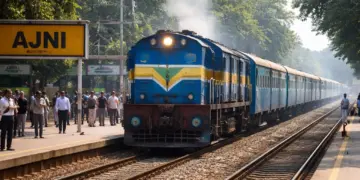

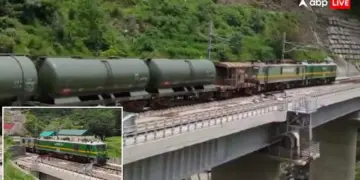

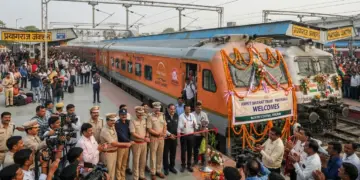



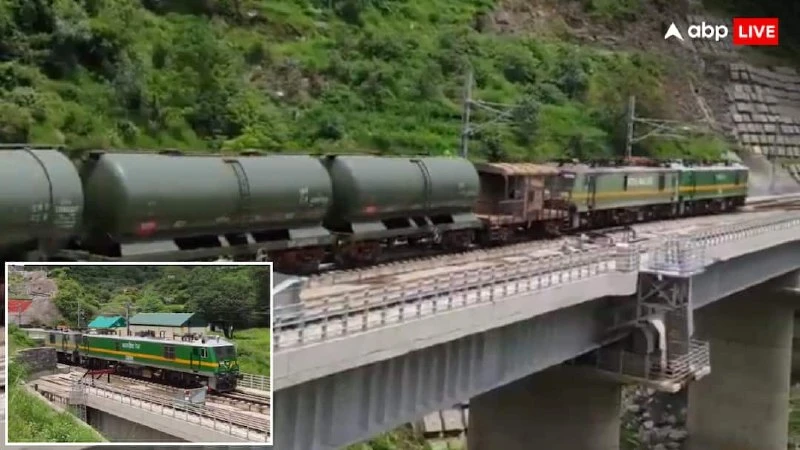

In a historic milestone for Indian Railways, the first fuel-laden freight train successfully reached the Kashmir Valley on August 7, 2026, via the Udhampur-Srinagar-Baramulla Rail Link (USBRL). This achievement follows a successful trial run conducted on August 6, 2026, and marks a new chapter in the logistics landscape of the Union Territory.
Key highlights of this development include:
- The train successfully transported petrol and diesel tankers to the Kashmir Valley.
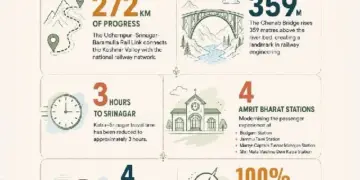
- The 272-km USBRL project now provides all-weather connectivity, bypassing the volatile Jammu-Srinagar National Highway (NH-44).
- This rail link is set to stabilize the supply of essential goods, particularly during the harsh winter months prone to landslides and snowfall.
- The entire broad gauge network in the region is now fully electrified.
A New Era of Connectivity
Union Minister for Railways Ashwini Vaishnaw confirmed this landmark progress in the Rajya Sabha on August 7, 2026. He noted that the completion of the 272-km USBRL project is a transformative step that will foster unprecedented growth in trade, tourism, and agriculture. By ensuring a consistent supply chain, the railway network will allow the region to maintain essential buffer stocks, effectively insulating the local economy from the frequent closures of the NH-44 highway.
Engineering Marvels in the Himalayas
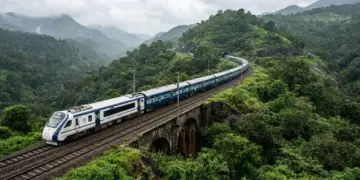
This success is the latest in a series of logistical triumphs for the region, which has already seen the rail transport of essential commodities like milk, rice, cement, and automobiles. The USBRL project stands as one of the most challenging infrastructure endeavors in independent India. It traverses the rugged Himalayan terrain, featuring world-class engineering marvels such as the Chenab Railway Bridge—the world’s highest railway bridge—and India’s first cable-stayed railway bridge over the Anji Khad.
With the project reaching this operational milestone, the people of Kashmir can look forward to a more reliable and resilient supply chain, marking a significant victory for both the railway administration and the residents of the valley.