













In a major move to enhance passenger comfort and reduce congestion, Indian Railways has announced a new policy requiring all long-distance Mail and Express trains to operate with a minimum of four general coaches. This significant policy shift, which is set to be fully implemented by August 9, 2026, aims to provide much-needed relief to common passengers, particularly during high-demand festive seasons.
- New Requirement: All Mail and Express trains must include at least four general coaches and six to eight sleeper coaches.
- Capacity Expansion: The initiative aligns with a standardized 24-coach LHB platform capacity across the network.
- Massive Production: Railways will manufacture 9,640 new non-AC coaches between 2025-27 to support this rollout.
- Passenger Impact: The enhancement is projected to accommodate an additional 32 to 36 crore passengers annually.
Addressing the Overcrowding Challenge
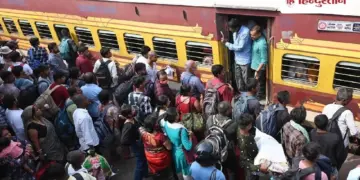
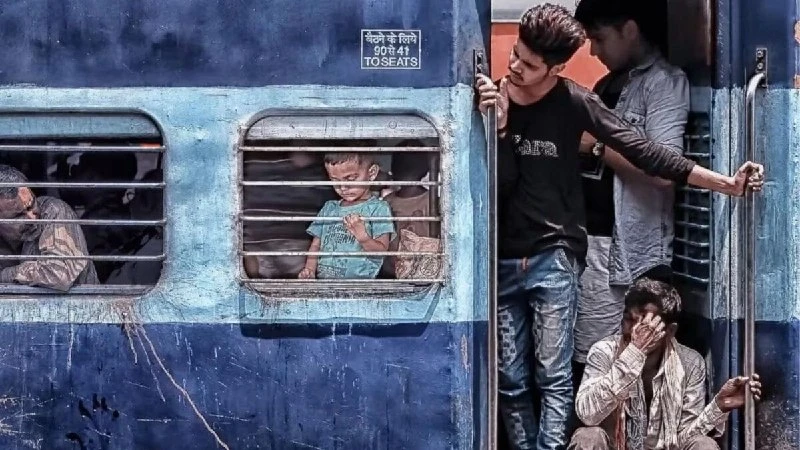
Currently, many Mail and Express trains operate with 18 to 22 coaches, often limiting general accommodation to just two or three compartments. By mandating a minimum of four general coaches, the national transporter is directly addressing the struggle faced by unreserved passengers. This decision follows a broader commitment by Railways Minister Ashwini Vaishnaw to introduce 17,000 non-AC general and sleeper coaches over the next five years to better serve the common man.
Scaling Up Manufacturing Capabilities
To meet these ambitious targets, the Ministry of Railways is ramping up production at key facilities, including the Integral Coach Factory (ICF) in Chennai and the Rail Coach Factory in Kapurthala. Out of the 9,640 coaches planned for production in the coming two financial years, 5,455 will be general coaches and 4,185 will be sleeper coaches. Records indicate that 4,838 coaches have already been manufactured to kickstart this expansion.
Recent Progress and Future Outlook
The transition is already underway. In July 2024, Indian Railways successfully added 92 new general category coaches to 46 important long-distance trains, with another 22 trains already identified for similar upgrades. This consistent push to expand non-AC capacity highlights the government’s focus on making rail travel more accessible and comfortable for millions of daily commuters across the country.