





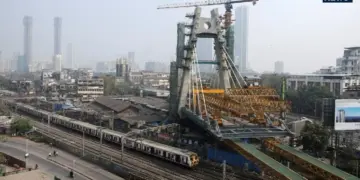




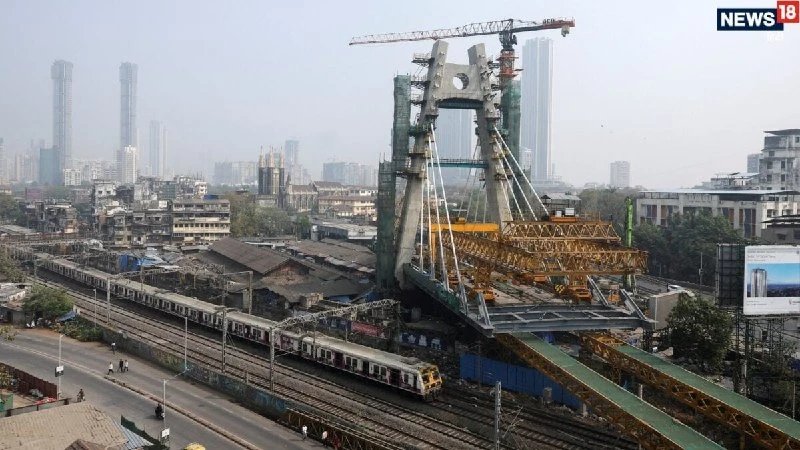

Mumbai is currently witnessing a massive infrastructure transformation aimed at untangling the city’s notorious traffic bottlenecks. Through a collaborative effort between the Brihanmumbai Municipal Corporation (BMC), the Maharashtra Rail Infrastructure Development Corporation (MRIDC), and Indian Railways, a total investment of ₹1,179 crore is being deployed to modernize road overbridges (ROBs) across the suburban network. These upgrades are designed to enhance urban mobility and ensure smoother connectivity for millions of daily commuters.
Key highlights of the infrastructure projects include:
• Construction of a six-lane cable-stayed Ghatkopar Bridge costing ₹350 crore, set for completion by 2027.
• Replacement of the 112-year-old Elphinstone Bridge with a modern Prabhadevi Double-Decker ROB by November 2026.
• Reconstruction of the century-old Dadar Tilak Bridge into a 600-meter, six-lane cable-stayed structure, targeted for May 2027.
• Upgradation of the Sion ROB for ₹50 crore to support new fifth and sixth railway lines, aiming for an August 2026 reopening.
• Completion of the ₹178.93 crore Vidyavihar Flyover, expected to be operational after September 8, 2026.
Major Upgrades and Timelines
The project list focuses heavily on replacing aging colonial-era structures that can no longer sustain modern traffic demands. The Prabhadevi Double-Decker bridge is particularly significant as it will integrate directly with the upcoming Sewri-Worli Connector, providing a seamless transit experience. Similarly, the Dadar Tilak Bridge has been a priority since a 2019 structural audit necessitated its urgent replacement to ensure public safety.
While most projects are moving ahead at full steam, some proposals remain in the pipeline. Specifically, the Reay Road Railway Bridge, estimated at ₹219.83 crore, is currently on hold. However, the overall momentum of these works signifies a major leap forward for Mumbai’s suburban rail ecosystem. Once finished, these bridges will not only reduce travel time for motorists but also facilitate the expansion of railway tracks, allowing for more frequent train services between Chhatrapati Shivaji Maharaj Terminus (CSMT) and Kurla. As these projects reach completion over the next few years, residents can expect a significant reduction in the daily commute stress that has long defined life in India’s financial capital.