


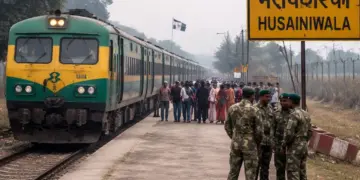
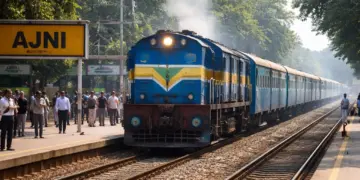





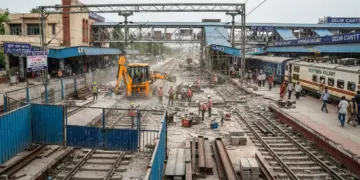
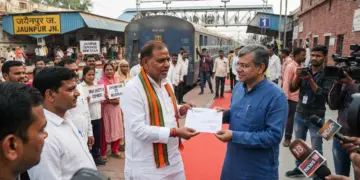

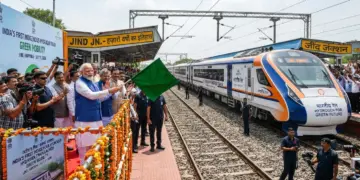







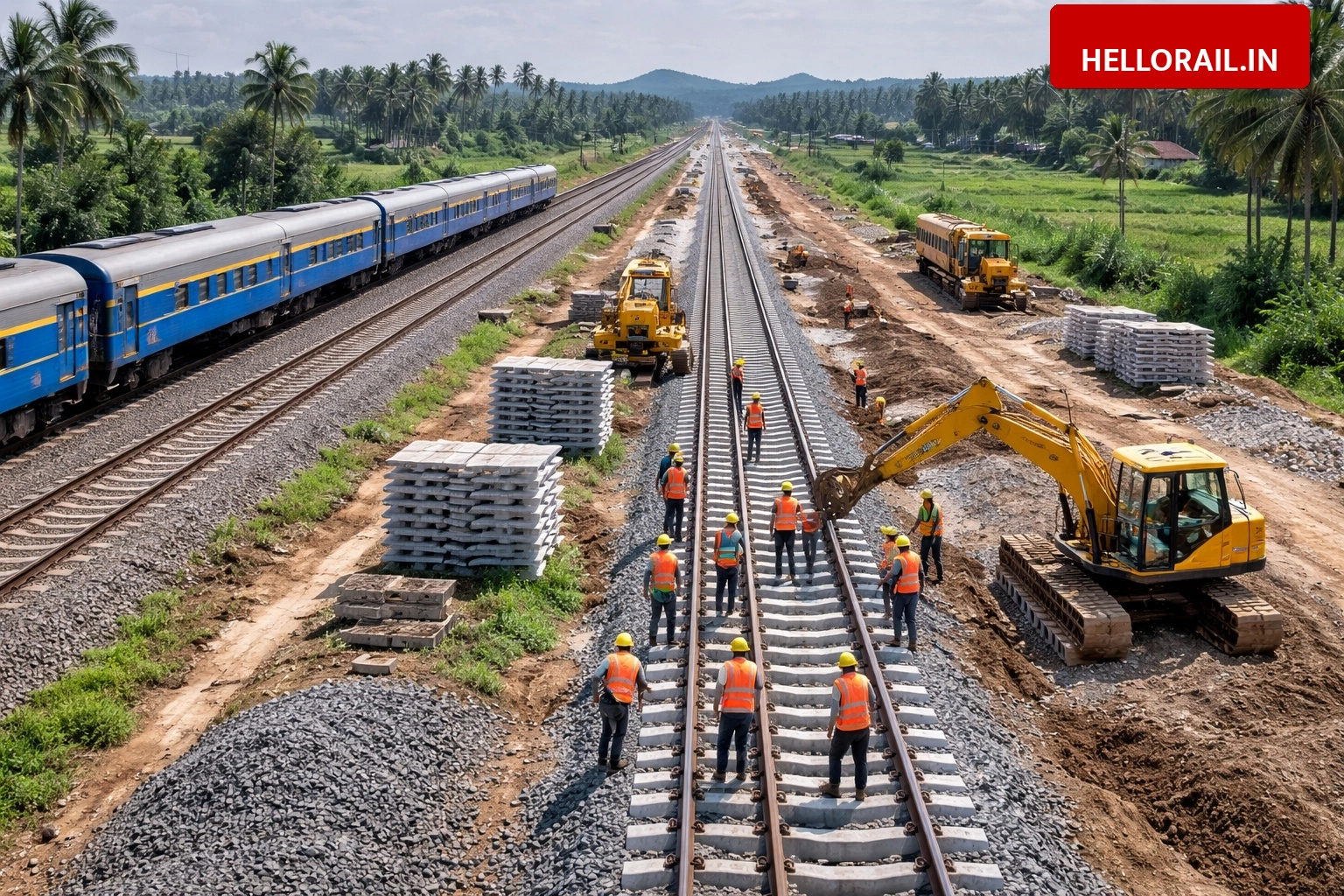

On March 10, 2026, the Cabinet Committee on Economic Affairs (CCEA), chaired by Prime Minister Narendra Modi, approved the construction of the Sainthia-Pakur 4th railway line. Union Rail Minister Ashwini Vaishnaw shared that this 81-kilometer project will connect West Bengal and Jharkhand. This expansion is part of the PM-Gati Shakti National Master Plan aimed at easing congestion on busy routes and improving logistics efficiency. The project is expected to be completed by 2030-31.
What are the key details of the Sainthia-Pakur 4th line?
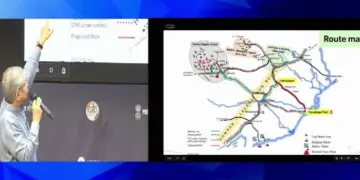
The Sainthia-Pakur section will cover approximately 81 kilometers across West Bengal and Jharkhand. It is part of a larger ₹4,474 crore package approved for two major multi-tracking railway projects. The project falls under the Eastern Railway zone and will directly impact five districts across the two states. The government plans to finish the construction work by the year 2030-31.
How will this project benefit freight and passenger movement?
The new line will significantly increase the capacity to transport essential goods. It will act as a primary corridor for moving coal from the Rajmahal and Godda coalfields, along with stone, cement, iron, steel, and food grains. Officials expect the route to handle an additional 31 Million Tonnes Per Annum of freight traffic. For passengers, it will improve access to 5,652 villages, helping nearly 1.47 crore people. The line will also boost tourism by providing better connectivity to places like Bolpur-Shantiniketan, Nandikeshwari Temple, and Tarapith.
Why is the multi-tracking policy important?
The government is focusing on multi-tracking routes where existing lines operate beyond 100 percent capacity. Adding a fourth line between Sainthia and Pakur will decongest the railway network and reduce train delays. Shifting more freight to the railway network will bring environmental benefits, as it lowers CO2 emissions and decreases the country’s reliance on oil imports. This infrastructure push also aims to generate local employment and support regional development.