
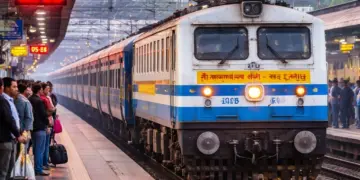










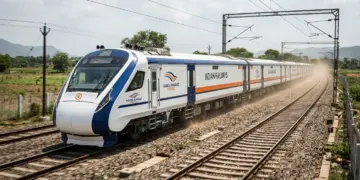




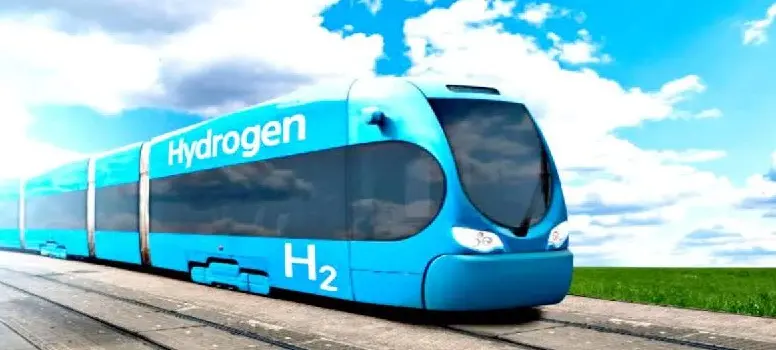

Indian Railways is set to make history on July 17, 2026, as Prime Minister Narendra Modi flags off India’s first hydrogen-powered train from Jind, Haryana. This landmark project marks a major milestone in the national mission to achieve net-zero carbon emissions by 2030, offering a sustainable alternative to traditional diesel locomotives on non-electrified routes.
- Launch Date: July 17, 2026
- Route: Jind to Sonipat (89 kilometers)
- Key Stations: 12 stops including Jind City, Pandu Pindara, and Gohana
- Technology: 1,200 kW hydrogen fuel cell propulsion system
- Capacity: 682 seated passengers with a total capacity of 2,600
Engineering Marvel and Sustainable Design
The 10-coach retrofitted Diesel Electric Multiple Unit (DEMU) is recognized as the world’s longest broad-gauge hydrogen train. Designed by the Research Design & Standards Organisation (RDSO) and manufactured by the Integral Coach Factory (ICF) in Chennai, the train operates by creating a chemical reaction between hydrogen and oxygen. This process emits only water vapor and heat, making it a truly emission-free mode of transport.
While the train is restricted to an operational speed of 75 kilometers per hour on this specific route, it has demonstrated an impressive capability of reaching 120 km/h during trials, with a design speed capacity of up to 140 km/h. The integration of the fuel-cell stacks, provided by Canada’s Ballard Power Systems, represents a global-standard collaboration in green energy.
Infrastructure and Safety Focus
To support this initiative, a dedicated hydrogen production, storage, and refueling facility has been established in Jind. This plant is capable of producing 420-430 kilograms of hydrogen daily and features a storage capacity of 3,000 kilograms. Safety remains a top priority, with the entire system—both the train and the refueling station—equipped with advanced hydrogen leak and flame detectors.
The pilot phase, sanctioned at a cost of 111.83 crore rupees, received official approval in May 2026. With all necessary licenses secured from the Petroleum & Explosives Safety Organisation (PESO), India now joins an elite global club alongside Germany, Japan, China, and the US in pioneering hydrogen-powered rail technology. This innovation serves as an ideal solution for railway sections where overhead electrification remains a geographical challenge, paving the way for a greener future in Indian mobility.