





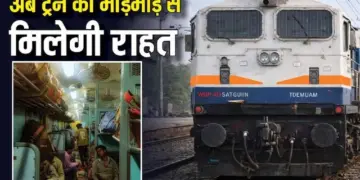




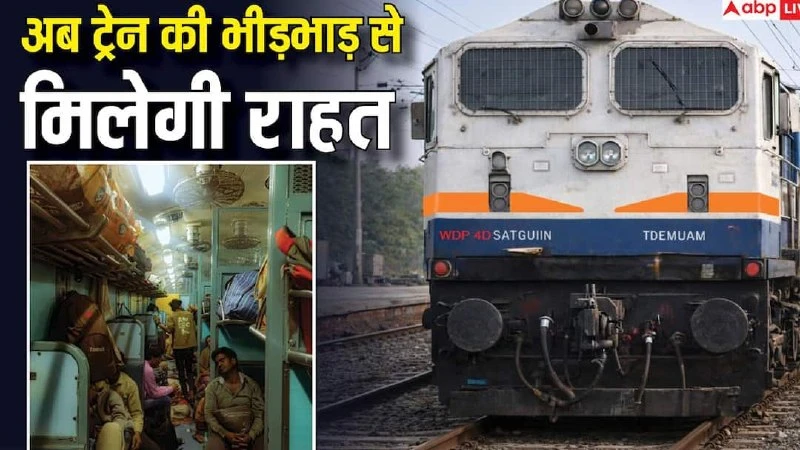

Indian Railways is taking a major step to improve the travel experience for common passengers by mandating new coach composition standards across approximately 3,200 long-distance Mail and Express trains. This initiative focuses on reducing severe overcrowding, especially during peak travel seasons, by significantly increasing the availability of non-AC accommodation.
Key highlights of the new railway coach initiative:
- Minimum of four general coaches and six to eight sleeper coaches per train will be mandatory.
- The initiative aims to accommodate an additional 32 to 36 crore passengers annually.
- The Ministry of Railways is manufacturing 9,640 new non-AC coaches for the 2025-26 and 2026-27 financial years.
- The production pipeline includes 5,455 general coaches and 4,185 sleeper coaches.
Standardizing the 24-Coach Platform
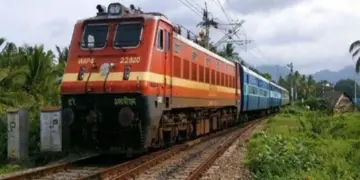
Currently, many Mail and Express trains operate with 18 to 22 coaches, often featuring only two to three general compartments. Under the new guidelines, Railways is moving toward a standard 24-coach LHB (Linke Hofmann Busch) platform capacity. This structural change is designed to directly address the congestion issues that have long plagued general and sleeper class passengers.
Of the 9,640 new coaches planned, 4,838 coaches have already been produced, with the remaining units under active construction at the Integral Coach Factory (ICF) in Chennai and the Rail Coach Factory in Kapurthala. This aggressive manufacturing push ensures that the capacity expansion is not just a policy target but a tangible reality for the network.
A Continuous Commitment to Capacity
This move builds upon previous efforts to bolster the fleet. Between 2019-20 and 2023-24, the national transporter added 6,511 new general coaches to its inventory. Furthermore, in July 2024, 46 long-distance trains were augmented with 92 additional general category coaches, and 22 more trains have already been identified for similar upgrades.
Railways Minister Ashwini Vaishnaw has reiterated a long-term commitment to introduce 17,000 non-AC general and sleeper coaches over the next five years. By prioritizing these segments, Indian Railways aims to make long-distance travel more accessible, comfortable, and efficient for the millions of passengers who rely on these services daily.