


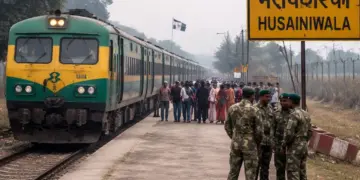
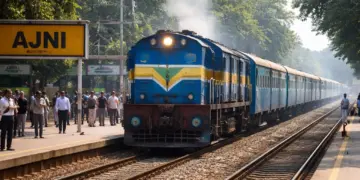


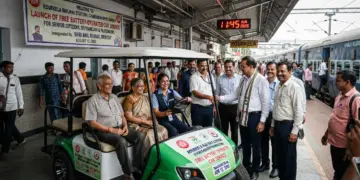
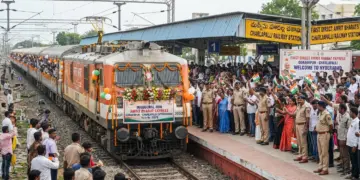



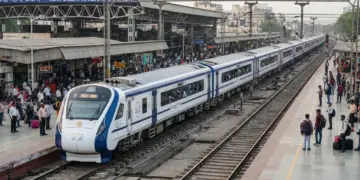

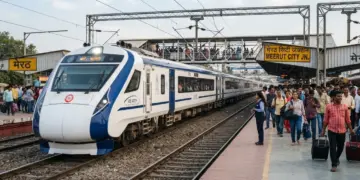
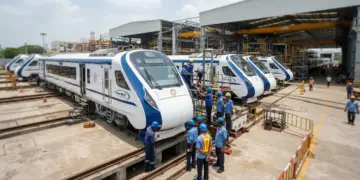
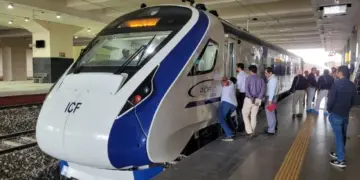
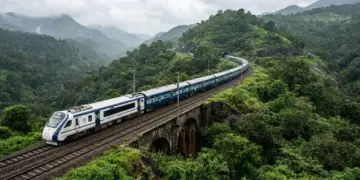
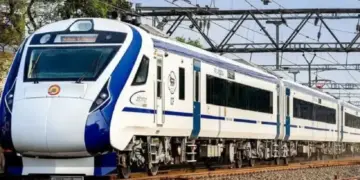



Indian Railways spent 98% of its allocated budget for the 2025-26 financial year by the end of February 2026. Union Minister Ashwini Vaishnaw stated that this fast spending happened because projects were completed quickly. The focus remained on doubling tracks, electrification, and starting modern trains like Vande Bharat.
How will train travel compete with flights
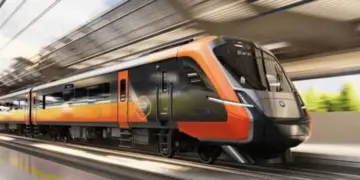
The government is developing new high-speed corridors to make train travel faster than flying on short routes. These corridors will connect major cities with significantly reduced travel times.
| Route | Expected Travel Time |
|---|---|
| Mumbai to Pune | 28 Minutes |
| Pune to Hyderabad | 1 Hour 55 Minutes |
| Hyderabad to Bengaluru | Approx 2 Hours |
| Bengaluru to Chennai | 78 Minutes |
| Delhi to Varanasi | 3 Hours 50 Minutes |
| Delhi to Lucknow | Approx 2 Hours |
What are the new infrastructure and AI updates
Indian Railways is upgrading its 40-year-old passenger reservation system with Artificial Intelligence (AI) features from August 2026. The RailOne app is already popular with 3.5 crore downloads and 9 lakh daily bookings. In terms of infrastructure, 49,000 km of tracks are now electrified and 36,000 km of new tracks were added.
Other recent railway changes
The Northeast Frontier Railway (NFR) changed the timings of over 100 trains to improve punctuality and reduce delays for passengers. Additionally, the government plans to invest about 16 lakh crore rupees in Bullet Train corridors, with a large portion of the work given to Indian companies.
Frequently Asked Questions (FAQs)
What is the new update regarding the railway reservation system?
The 40-year-old reservation system is being upgraded with AI features. This new system will be implemented in phases starting from August 2026.
Which routes will see faster travel than flights?
Routes like Mumbai-Pune, Delhi-Varanasi, and Bengaluru-Chennai will become more efficient than air travel due to new high-speed corridors.