





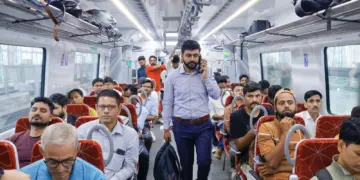
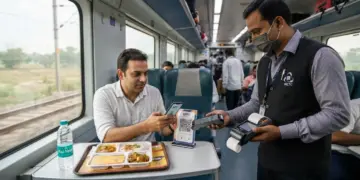
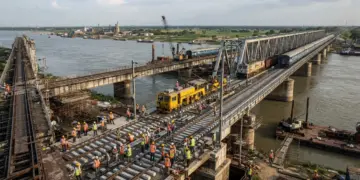

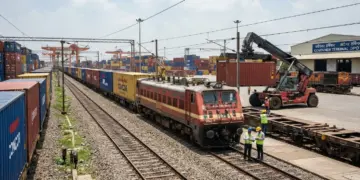




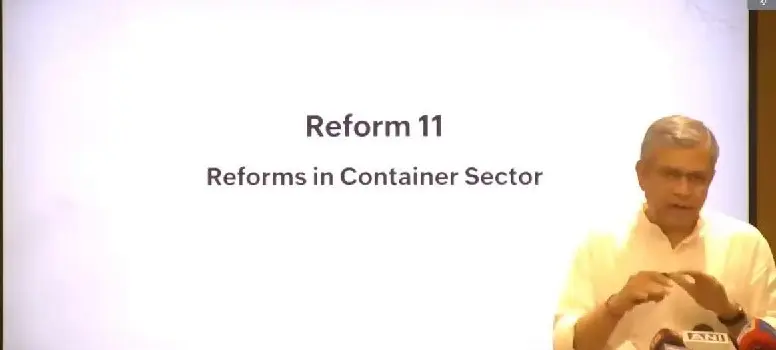

Indian Railway Minister Ashwini Vaishnaw announced a transformative roadmap for the national transporter on July 14, 2026, marking the year as the “Year of Railway Reforms.” With a pledge to implement 52 reforms over 52 weeks, the Ministry is focusing on boosting ease of doing business, enhancing logistics efficiency, and integrating cutting-edge technology into railway operations.
Key highlights of the announcement include:
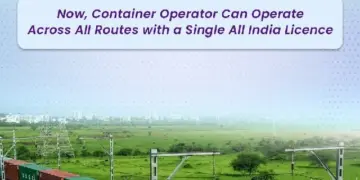
* Introduction of a unified “All India Container Train Operator (CTO) License” replacing the previous four-tier category system.
* A flat non-refundable registration fee of ₹25 crore for the new license, replacing the former range of ₹10 crore to ₹50 crore.
* Complete elimination of the renewal fee, which was previously set between ₹5 crore and ₹25 crore after 20 years.
* Launch of the “Rail Tech Policy and Portal” to fast-track innovations like AI-based safety systems and drone monitoring.
* Digitization of the Railway Claims Tribunal (RCT) to streamline legal processes across all 23 benches within one year.
Streamlining Freight Logistics
The most significant shift in freight policy is the move toward a simplified licensing regime. By merging the existing four categories (I, II, III, IV) into a single, nationwide CTO license, the Railways aims to remove operational silos. This reform allows operators to run container trains across the entire Indian Railway network without regional restrictions. Furthermore, the decision to waive renewal fees is expected to significantly lower long-term operational costs, encouraging more private players to enter the freight sector and improving the transport of essential goods like fertilizers, petroleum, and agricultural produce in containers.
Harnessing Technology for Safety
Under the new “Rail Tech Policy and Portal,” the Ministry is calling upon startups and tech innovators to help solve critical safety challenges. The focus is on deploying AI-based elephant intrusion detection, AI-powered fire detection systems for coaches, and drone-based broken rail detection. These technologies are specifically designed to improve safety in difficult conditions, such as obstacle detection during heavy fog. Additionally, the move to digitize the Railway Claims Tribunal (RCT) marks a major step toward citizen-centric governance, ensuring that legal disputes are handled with greater transparency and speed. These reforms collectively signal a modernizing Indian Railways that is ready to embrace efficiency and digital transformation in the coming year.