
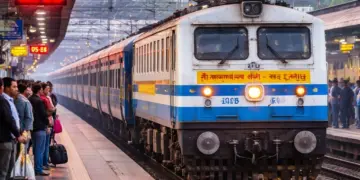




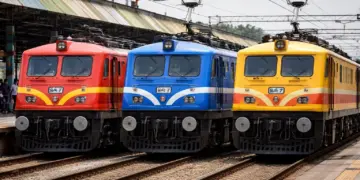
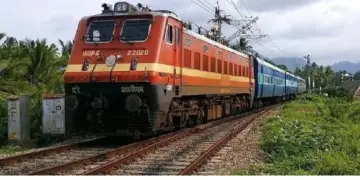

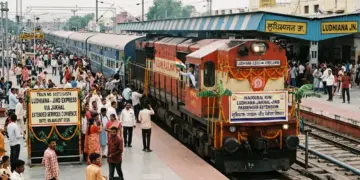
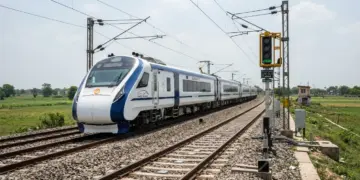

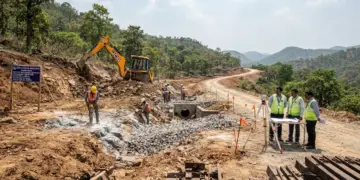

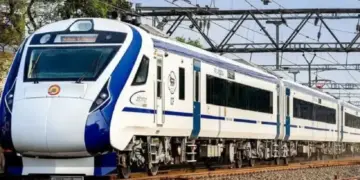

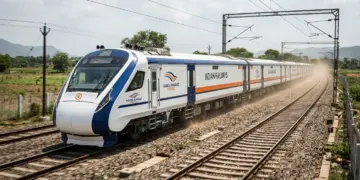
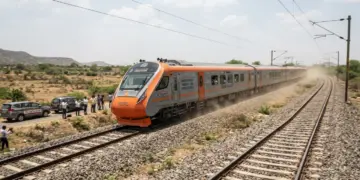



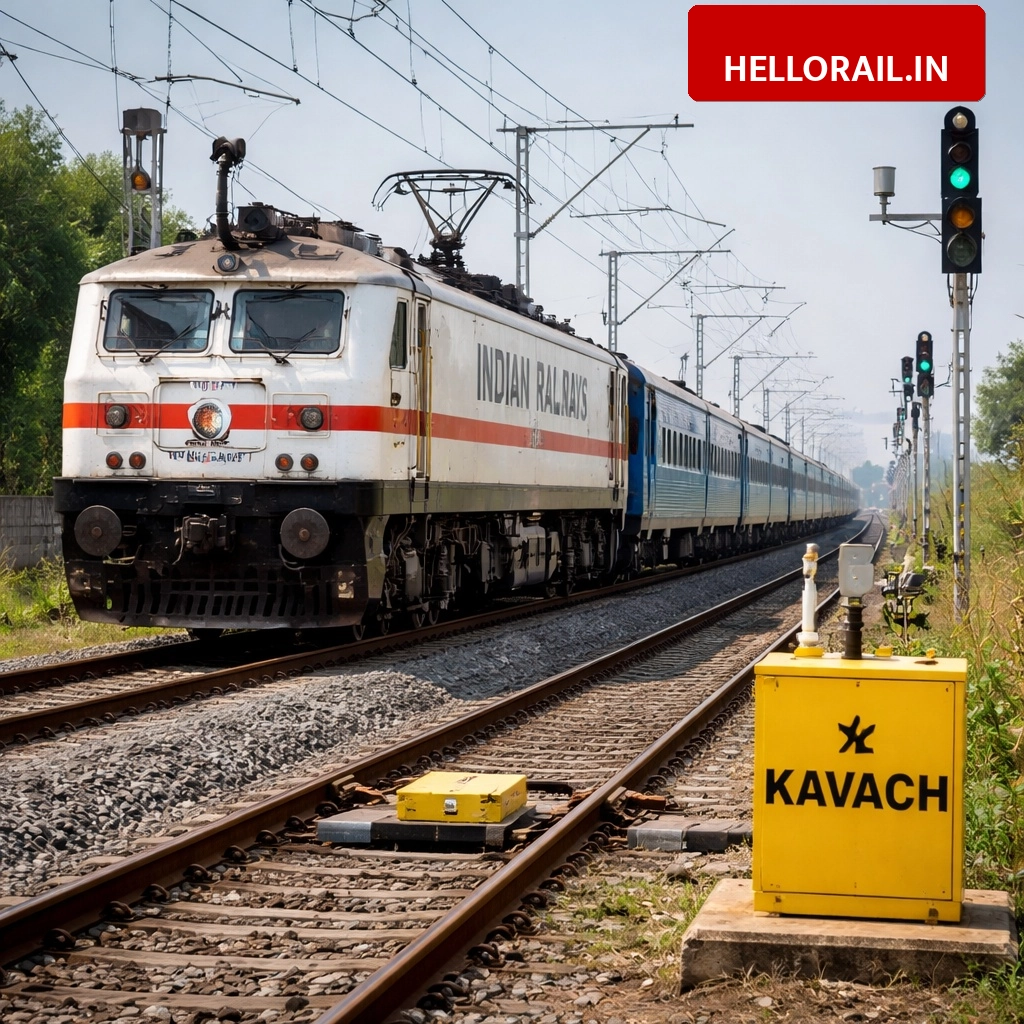

The Rajkot Division of Western Railway has completed the commissioning of the indigenous ‘Manak Kavach’ system. This safety technology is now active across 434 kilometers of the Viramgam–Rajkot–Okha main rail section. The move is part of the Indian Railways’ plan to modernize train operations and reduce accidents.
ℹ️: Indian Railways SMS Update: New rules for boarding station changes and passenger alerts।
What is Kavach and how does it work?
Kavach is an Automatic Train Protection system developed by the Research Designs & Standards Organization (RDSO). It helps loco pilots stay within speed limits and automatically applies brakes if a train exceeds the limit or passes a danger signal. This system is certified to Safety Integrity Level-4 (SIL-4), which is a global safety standard.
Key details of the Rajkot Division project
- Route Covered: Viramgam–Rajkot–Okha main section
- Total Distance: 434 Kilometers
- Railway Zone: Western Railway
- Technology: Indigenous Manak Kavach
Other recent Kavach installations in Western Railway
| Section | Distance | Commissioning Date |
|---|---|---|
| Vadodara–Ahmedabad | 96 km | December 2025 |
| Vadodara–Virar | 344 km | January 30, 2026 |
| Vadodara–Nagda | 224.51 km | March 30, 2026 |
Frequently Asked Questions (FAQs)
What is the benefit of Kavach for passengers?
Kavach prevents train collisions and Signal Passing at Danger (SPAD) incidents. It automatically applies brakes to avoid accidents caused by human error or bad weather.
Which sections in Gujarat already have Kavach?
Apart from the Rajkot section, Kavach is active on the Vadodara–Ahmedabad, Vadodara–Virar, and Vadodara–Nagda sections.