







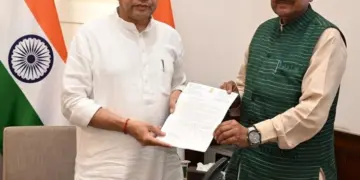



The Union Cabinet, led by Prime Minister Narendra Modi, has cleared a massive developmental push aimed at transforming India’s infrastructure and industrial landscape. On July 15, 2026, the government sanctioned seven key projects with a total outlay exceeding ₹2.19 lakh crore, focusing on railways, road connectivity, and high-tech manufacturing to bolster national growth.
Key highlights of the cabinet approvals include:
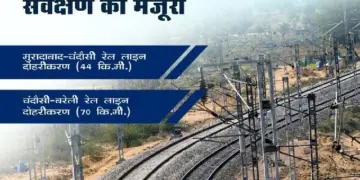
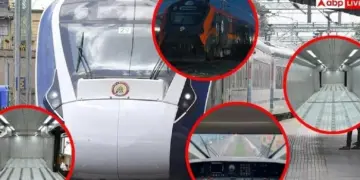
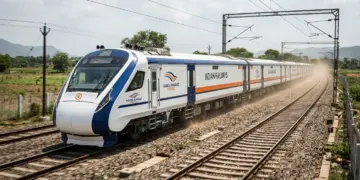
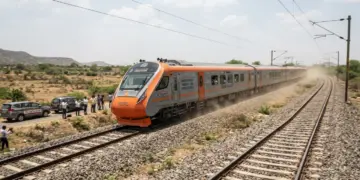
• Railway capacity expansion featuring the doubling of the Paradeep-Haridaspur line and a new fourth line between Dangoaposi and Rajkharsawan.
• Two major elevated corridor projects in Varanasi along the Varuna and Ganga rivers to ease urban congestion.
• The launch of India Semiconductor Mission (ISM) 2.0 with a massive ₹1,27,500 crore allocation.
• A ₹62,500 crore investment boost for the Mobile Phone Manufacturing Scheme and a new policy for urea self-reliance.
Focus on Railway Infrastructure
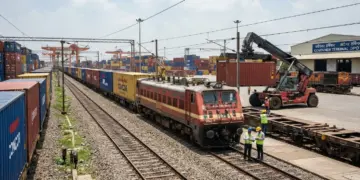
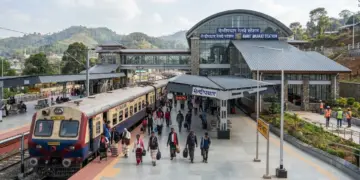
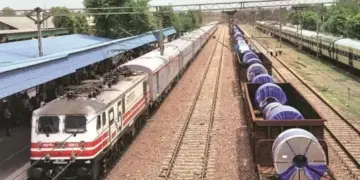
For rail commuters and the logistics sector, the Cabinet has approved two critical projects designed to enhance network capacity and efficiency. The government has sanctioned the doubling of the Paradeep-Haridaspur railway line at an investment of ₹2,542 crore. Additionally, a fourth railway line between Dangoaposi and Rajkharsawan has been approved with a budget of ₹1,365 crore. These upgrades are expected to significantly improve freight movement and passenger train operations in these vital corridors, reducing bottlenecks and ensuring smoother connectivity.
Urban Connectivity and Industrial Growth
Varanasi is set for a major infrastructure overhaul with two elevated corridors. The government has approved a 6/4-lane elevated corridor along the Varuna River for ₹10,998 crore and a 6-lane elevated corridor along the Ganga River for ₹14,448 crore. These projects will be executed by the NHAI under the Hybrid Annuity Model to ensure timely completion and improved road safety.
Furthermore, the India Semiconductor Mission 2.0 marks a strategic shift toward self-reliance in technology. With an outlay of ₹1,27,500 crore, the mission aims to attract substantial private investment, project to generate ₹2 lakh crore in production, and reach ₹1 lakh crore in exports. Coupled with the new National Investment Policy for Urea-2026, these initiatives underscore the government’s commitment to building a robust and self-sufficient national economy.