

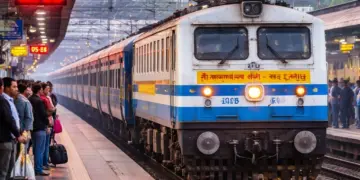

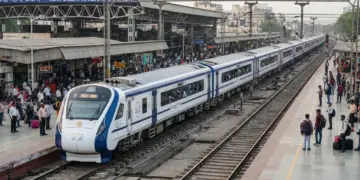

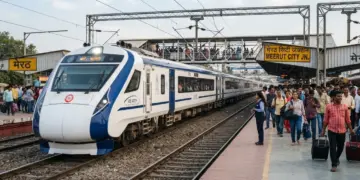




A comprehensive audit by the Comptroller and Auditor General (CAG) of India has brought to light significant lapses in passenger amenities and sanitation standards across non-suburban railway stations. Covering the period from 2019-20 to 2023-24, the report highlights critical concerns regarding water quality and the failure to provide mandatory passenger facilities. Key findings include:
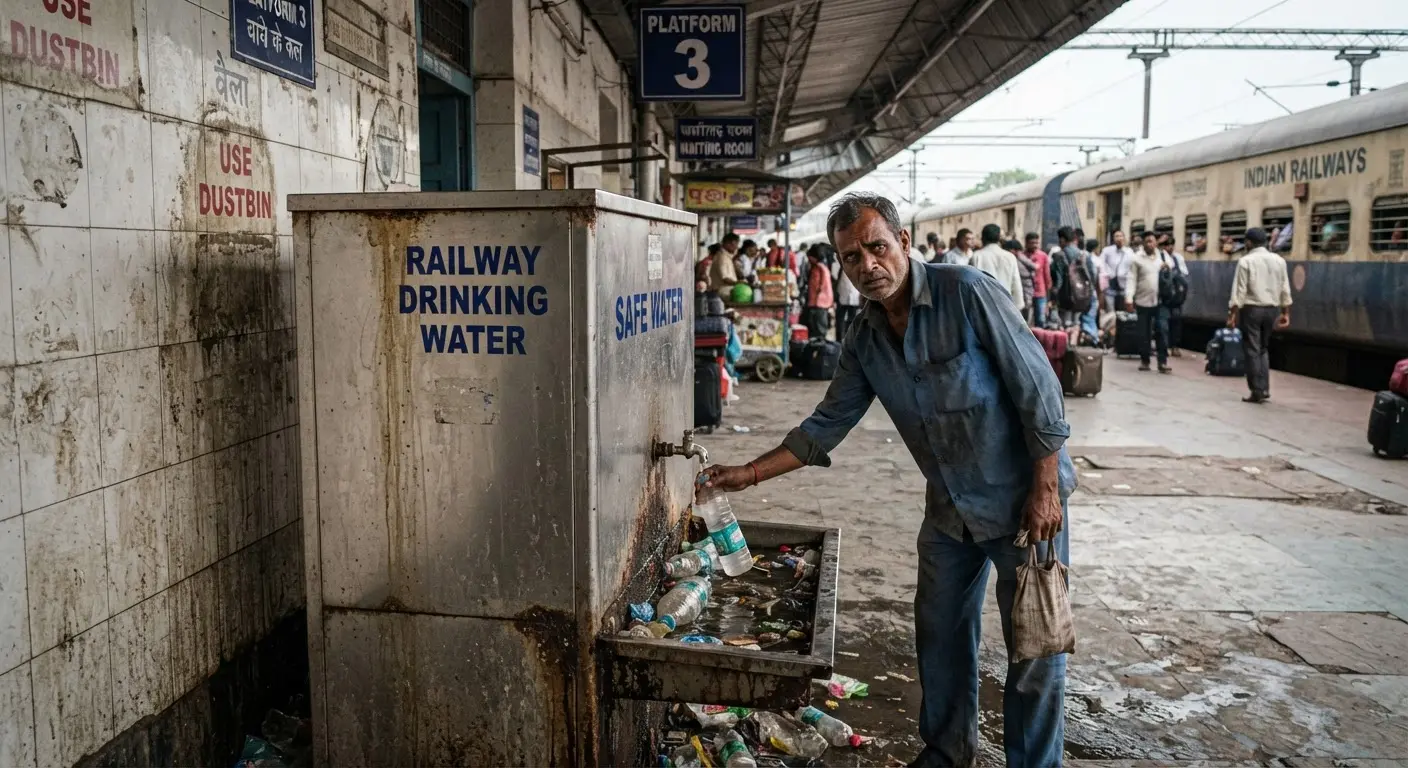
• **E. coli bacteria** detected in water cooler samples at eight major stations, including **Chhatrapati Shivaji Maharaj Terminus (CSMT), Hyderabad, and Coimbatore**.
• Bacteriological contamination found in platform tap water at dozens of stations across multiple zones.
• Over **89 percent of the 512 stations** surveyed failed to provide mandatory Minimum Essential Amenities (MEAs).
• Between **36 and 44 percent of the budget** allocated for passenger amenities remained unspent during the audit period.
Critical Health Risks and Infrastructure Lapses
The presence of E. coli in drinking water sources at major transit hubs presents a significant public health risk. Despite the Railway Board’s clear directives to ensure basic facilities were in place by 2018, the audit indicates that basic infrastructure—such as adequate seating, platform shelters, and functional water coolers—remains largely insufficient at a vast majority of the stations investigated. The findings suggest a persistent gap between policy mandates and ground-level execution, leaving passengers to navigate substandard conditions.
Financial Mismanagement and Call for Action
Beyond the physical infrastructure failures, the report raises questions regarding fiscal discipline. With nearly half of the allocated passenger amenity budget left unspent, the CAG has pointed toward a failure to effectively utilize available funds for station development and maintenance. The report highlights that the lack of oversight has contributed to the degradation of essential services that passengers rely on daily.
In response to these findings, the CAG has strongly urged Indian Railways to **strictly enforce the Uniform Drinking Water Quality Protocol** and conduct more rigorous, regular inspections of all water supply systems. Moving forward, the national transporter is tasked with prioritizing the health and safety of commuters by addressing these sanitation failures and ensuring that allocated development funds are channeled directly into improving the passenger experience at stations across the country.