




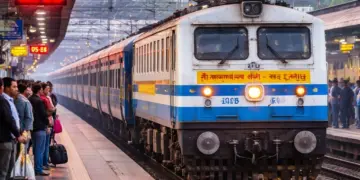


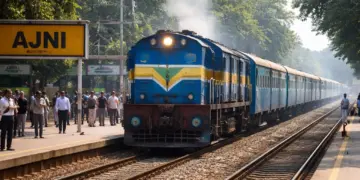






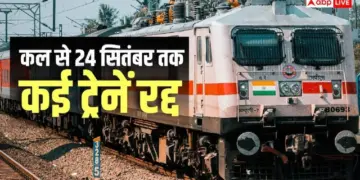






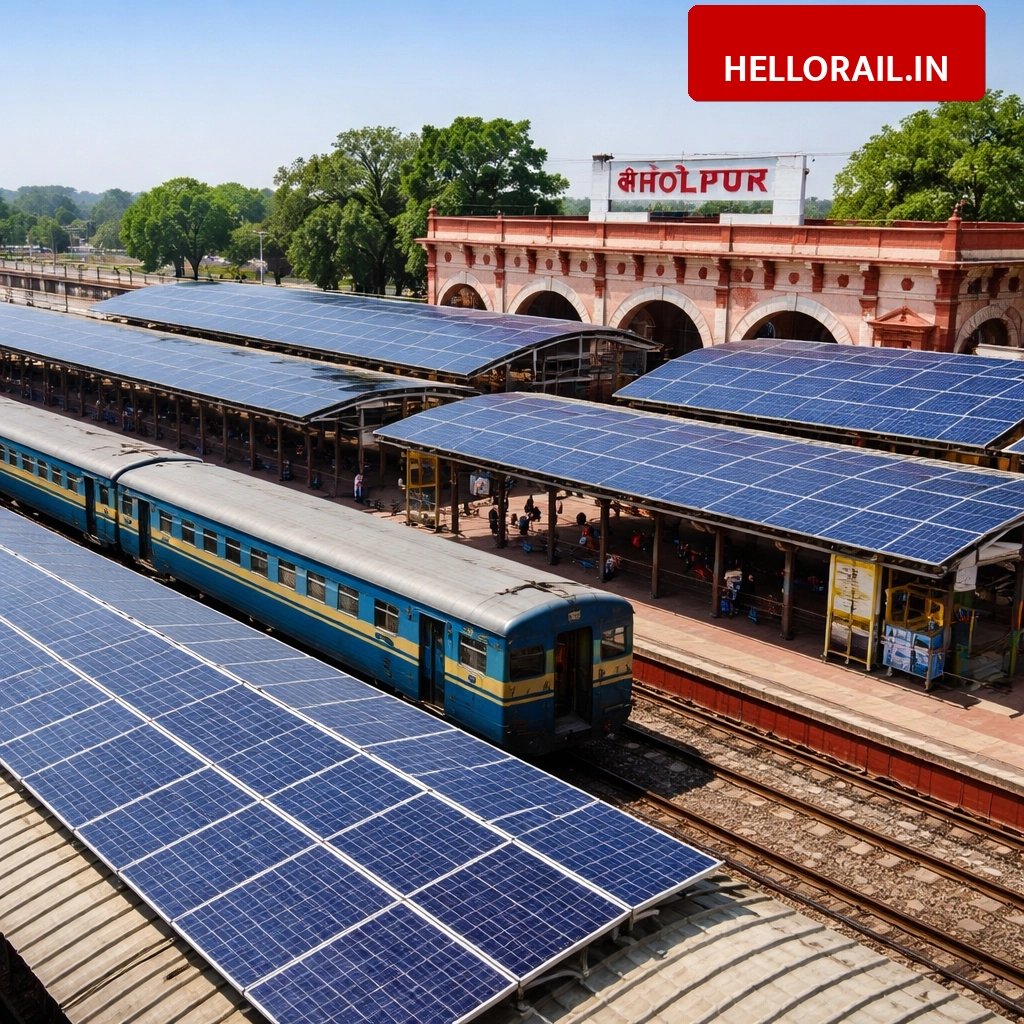

Indian Railways is moving fast towards becoming a net-zero carbon emitter by 2030. As part of this goal, Rajasthan has emerged as a leader with 275 solar installations across various railway stations. Dholpur Railway Station is also part of this sustainable shift, coinciding with its redevelopment under the Amrit Bharat Station Scheme.
How is the Kota Rail Division saving money with solar power?
The Kota Rail Division, which manages Dholpur, has set up rooftop solar plants with a capacity of 4.54 MW between 2023 and 2026. These plants generate about 64 lakh units of clean energy every year. This initiative has helped the division save approximately 5 crore rupees on electricity bills annually. Even with more electrical loads, the overall bill decreased by 3 crore rupees between the fiscal years 2024-25 and 2025-26.
What are the solar energy updates in Dholpur and Rajasthan?
The Dholpur district is seeing a massive shift toward solar energy through the PM Surya Ghar Bijli Scheme. Over 1,150 applications were received to install solar panels in homes, with a target of 10,000 houses. Additionally, Rajasthan has a significant electricity surplus, with solar capacity reaching around 7,376 MW. The state government plans to provide full daytime electricity to farmers by 2027.
What is the current status of solar installations in Indian Railways?
The railway network has integrated solar power across thousands of locations to lower grid dependency. The current data on solar adoption is as follows:
| Metric | Details |
|---|---|
| Total Solar Plants | 2,249 stations and buildings |
| Total Capacity | Approximately 209 MW |
| Leading State | Rajasthan (275 installations) |
| Net-Zero Goal | By the year 2030 |
Frequently Asked Questions (FAQs)
How much money did the Kota Rail Division save through solar energy?
The division saved approximately 5 crore rupees annually through 4.54 MW rooftop solar plants, with a bill reduction of 3 crore rupees between FY 2024-25 and 2025-26.
What is the target for Indian Railways regarding carbon emissions?
Indian Railways aims to become a net-zero carbon emitter by the year 2030 by increasing solar installations across its network.