


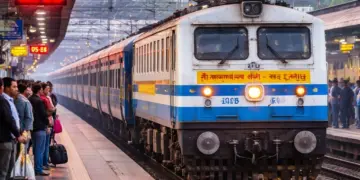











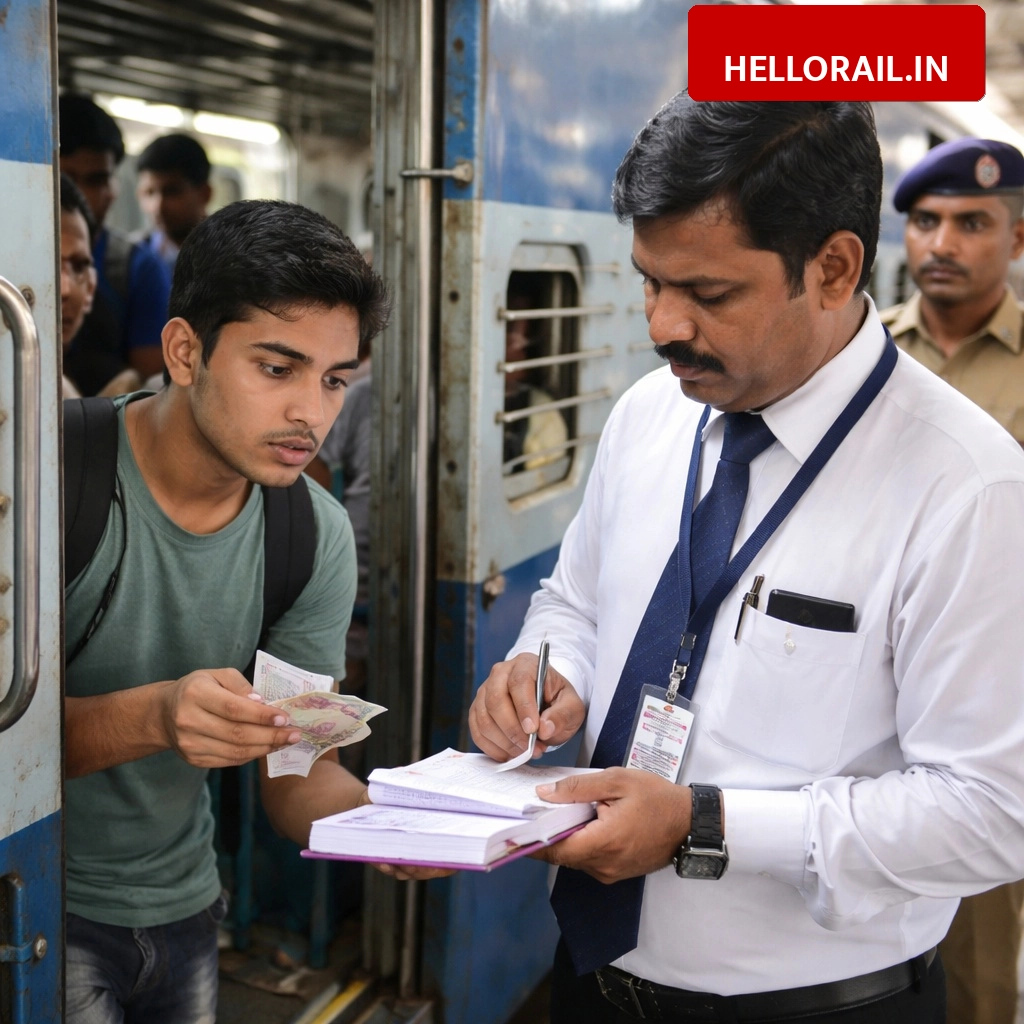

Indian Railways has revised its penalty rules under the Jan Vishwas (Amendment of Provisions) Act, 2026. These new rules aim to improve discipline and passenger safety across the network. The changes have started taking effect from June 19-20, 2026, with full enforcement from July 1, 2026.
What are the new fines for passengers?
The Railway Board has increased penalties for several common offenses to curb unauthorized travel and nuisance. The minimum fine for traveling without a ticket or with an irregular ticket has increased from ₹250 to ₹500. Passengers using someone else’s ticket will lose that ticket and must pay the full fare plus a ₹500 penalty.
| Offense | New Penalty |
|---|---|
| Ticketless Travel | ₹500 (Minimum) |
| Men in Women’s Coach | ₹2,500 |
| Smoking on Premises | ₹2,000 |
| Unauthorized Hawking/Begging | ₹2,000 |
| Prohibited/Dangerous Goods | ₹10,000 (Minimum) |
| Spitting/Littering/Track Crossing | ₹500 |
| Improper Parking | ₹500 |
What happens if a passenger refuses to pay?
Railway officials have been directed to strictly enforce these rules. If a passenger does not pay the fine and fare on the spot, the case will be sent to a competent court. This could lead to higher fines or imprisonment for up to six months. Additionally, the Jan Vishwas Act allows for a 10% increase in these penalties every three years.
Rules for nuisance and misconduct
Passengers who use abusive language, create a disturbance, or hinder railway work, especially while intoxicated, can be removed from the train. Such individuals may face a fine of up to ₹1,000, short-term imprisonment, or community service. These measures are designed to ensure a peaceful journey for all passengers.
Frequently Asked Questions (FAQs)
What is the new fine for traveling without a ticket?
The minimum penalty for ticketless or irregular travel has been increased from ₹250 to ₹500, plus the applicable fare and excess charges.
What is the penalty for smoking in trains?
Smoking within train coaches or on railway premises now attracts a penalty of ₹2,000, which can increase up to ₹5,000 if imposed by a court.