













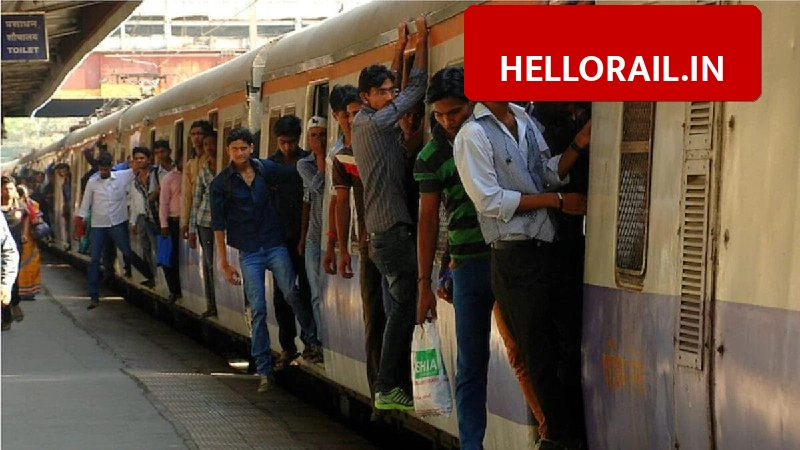

Indian Railways has increased the minimum penalty for passengers traveling without a ticket or traveling beyond their destination. The Ministry of Railways issued a gazette notification on June 19, 2026, to implement these changes. The new rules came into effect on June 20, 2026, to discourage unauthorized travel and improve passenger safety.
What is the new fine for ticketless travel?
The minimum penalty for traveling without a ticket has been doubled from ₹250 to ₹500. This change was made under the Jan Vishwas (Amendment of Provisions) Act, 2026, affecting Sections 137 and 138 of the Railway Act, 1989. Passengers caught without a valid ticket must pay this ₹500 penalty along with the actual fare for the distance traveled.
What happens if a passenger refuses to pay the fine?
If a passenger does not pay the penalty, railway staff can take the matter to a competent court for recovery. If the court finds the person liable, non-payment can lead to imprisonment for up to six months, a court-imposed fine of up to ₹500, or both. The previous fine of ₹250 had remained unchanged for about 13 years since 2013.
Other updated penalties for railway violations
| Violation | New Penalty/Fine |
|---|---|
| Using someone else’s ticket | Ticket confiscated + fare (Min ₹500) |
| Unauthorized entry in women’s coach | Up to ₹2,500 |
| Unauthorized hawking or begging | ₹2,000 |
| Littering or damaging property | Up to ₹2,000 |
| Carrying prohibited explosives | Minimum ₹10,000 |
Frequently Asked Questions (FAQs)
When did the new ticketless travel fine start?
The new minimum fine of ₹500 became effective on June 20, 2026, following a notification by the Ministry of Railways.
Is the ₹500 fine the only amount a ticketless passenger has to pay?
No, passengers must pay the ₹500 minimum penalty in addition to the applicable ticket fare for the distance they traveled.