




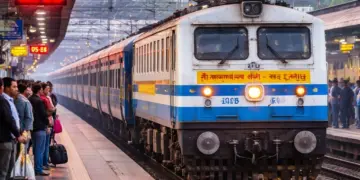


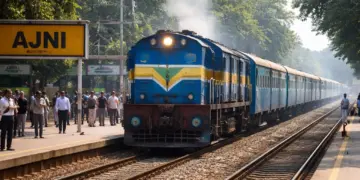







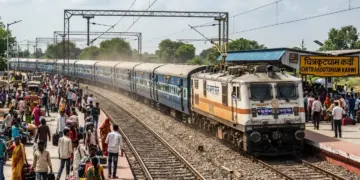


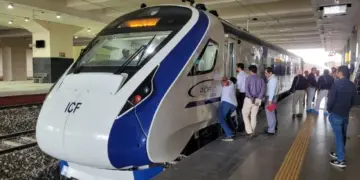
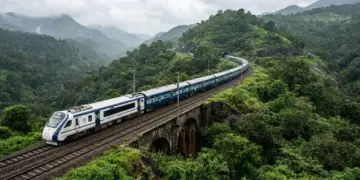
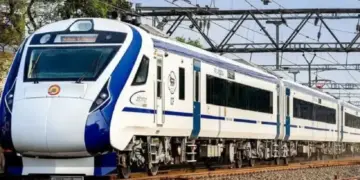







Indian Railways has completed the renovation of 54,600 km of tracks between 2014 and February 2026. This massive infrastructure work aims to make train travel faster and safer for passengers. According to Union Railway Minister Ashwini Vaishnaw, the upgrade allows a large part of the network to support higher speeds.
How has the track speed capacity changed?
The network’s ability to handle high speeds has improved significantly over the last 12 years. In 2014, only about 40% of the network could support speeds of 110 Kmph or more, but this has now risen to over 80%. The tracks capable of 130 Kmph have increased more than three times.
| Track Speed Category | Length in 2014 (KM) | Length in 2026 (KM) |
|---|---|---|
| 110-130 Kmph | 26,409 | 62,036 |
| 130 Kmph and above | 5,036 | 23,713 |
| Below 110 Kmph (Network %) | 60.4% | 18.9% |
What new technology is being used for safety?
The railway has introduced modern materials and machines to ensure better ride quality and reliability. They are using 60 KG high strength rails, pre-stressed concrete sleepers, and elastic fastening systems. To maintain these tracks, advanced tools like Track Recording Cars (TRC) and Integrated Track Monitoring Systems (ITMS) are now in use.
- 260 meter Long Rail Panels for smoother travel
- High Output Tamping Machines for track alignment
- Rail Grinding Machines to maintain rail surface
- T-28 Track Laying Machines for faster construction
What are the future plans for track renewal?
Track renewal is a continuous process based on traffic and the age of the rails. In the 2024-25 financial year, 6,851 km of tracks were renewed. The railways are currently working on over 7,500 km for 2025-26 and have planned 7,900 km of renewal for the 2026-27 period.
Frequently Asked Questions (FAQs)
How much track was renovated between 2014 and 2026?
Indian Railways renovated a total of 54,600 km of tracks during this period to improve speed and safety.
What is the current speed capacity of the Indian Railway network?
More than 80% of the network can now handle speeds of 110 Kmph or higher, compared to only 40% in 2014.