

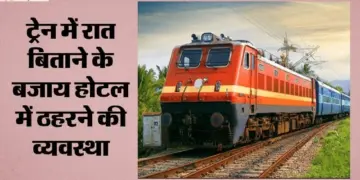

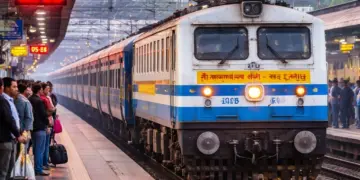

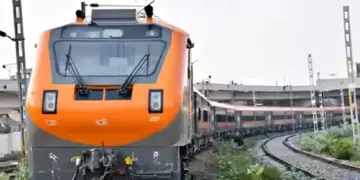
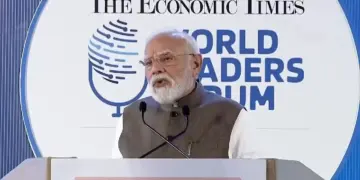

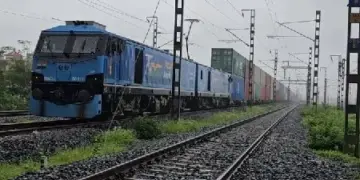
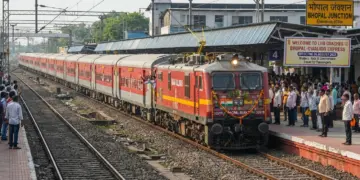
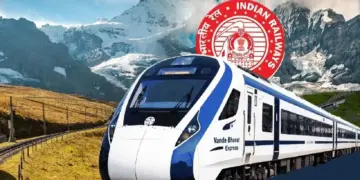
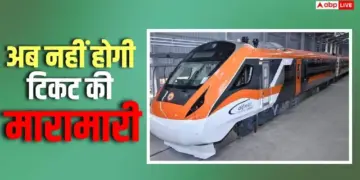


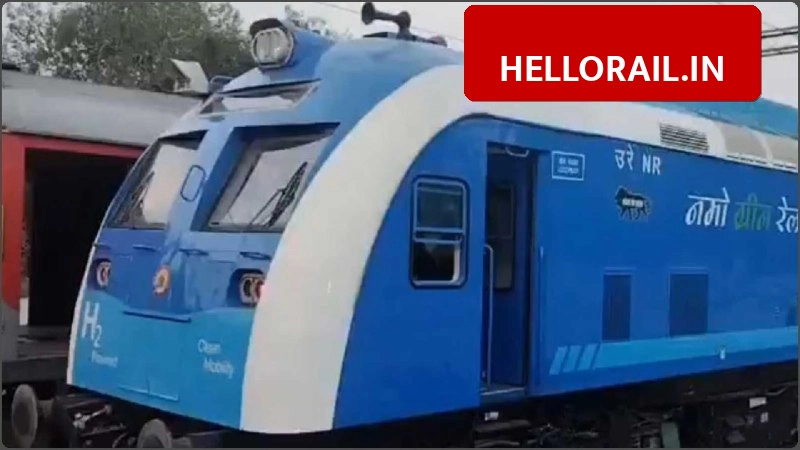

Indian Railways is preparing to launch the country’s first hydrogen-powered train on July 17, 2026. Prime Minister Narendra Modi is expected to inaugurate the train from Jind, Haryana. This train will run on the non-electrified Jind-Sonipat section and is designed to be a zero-emission alternative to diesel trains.
What are the key features of the hydrogen train?
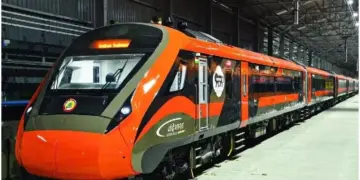
The train is a 10-coach set built by the Integral Coach Factory (ICF) in Chennai. It consists of eight passenger cars and two driving power cars with a total capacity of 2,400 kW. It is considered one of the world’s longest and most powerful hydrogen trainsets on a broad-gauge line. The train emits only water vapour, making it environment friendly.
What is the speed and range of the train?
During recent trials on the Sonipat-Jind section, the train successfully reached a top speed of 120 km/h. However, its official operational speed will be 75 km/h. On a single refuelling cycle, the train can travel approximately 250 km. The Research Design and Standards Organisation (RDSO) will grant final approval after all trial reports are submitted.
Technical and cost details of the project
| Feature | Details |
|---|---|
| Route | Jind to Sonipat (Haryana) |
| Train Cost | ₹80 crore per train |
| Infrastructure Cost | ₹70 crore |
| Daily Hydrogen Production | 420-430 kg |
| Storage Capacity | 3,000 kg |
| Technology Partners | Medha Servo Drives and Ballard Power Systems |
Frequently Asked Questions (FAQs)
What is the expected fare for the hydrogen train?
The official fare has not been announced yet. However, media estimates suggest it could range between ₹5 and ₹25 based on current local train rates.
Where will the train get its fuel?
A dedicated hydrogen fueling plant with a 1 MW electrolyser has been set up at Jind, which can produce about 420-430 kg of hydrogen daily.