


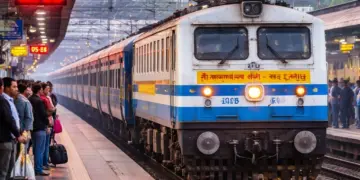




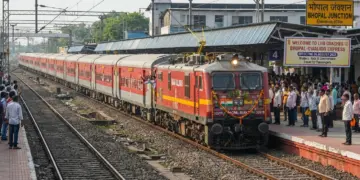






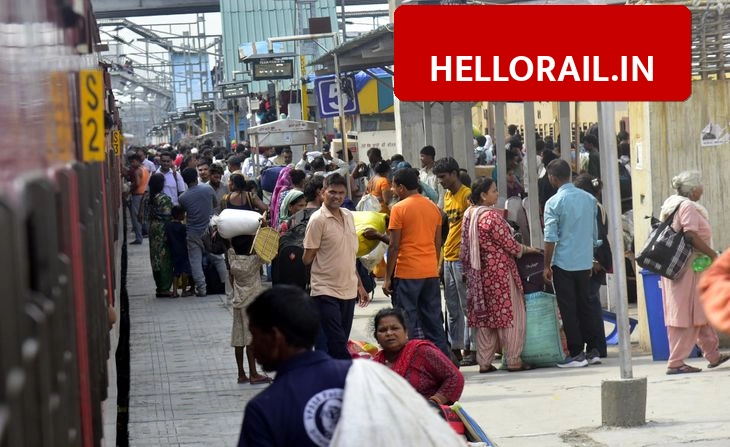

Rail traffic on the Delhi-Amritsar-Jammu route remained disrupted on Saturday, July 4, 2026, due to a ‘Rail Roko’ protest at Sirhind. Protesters blocked the tracks near Madhopur crossing at New Sirhind railway station from 11 am to 2 pm. This three-hour blockade caused significant delays for passengers and forced the diversion of several key trains.
Which trains were affected and diverted?
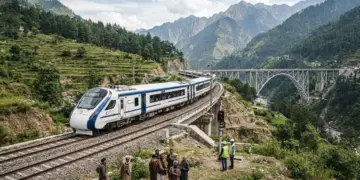
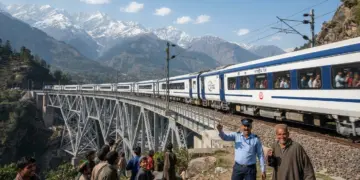
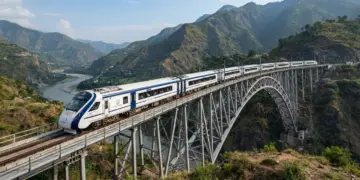
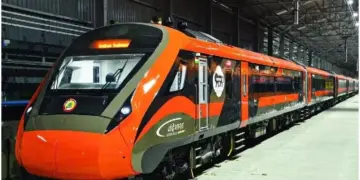
More than 13 trains faced disruptions during the protest. The Vande Bharat Express traveling from Katra to Delhi was diverted via New Morinda, Chandigarh, and Ambala. Other major trains like the Jan Sewa Express, Amrapali Express, Delhi-Pathankot Express, and Saryu-Yamuna Express were also hit. The Sealdah-Amritsar Superfast Express was diverted through Ambala Cantt, Chandigarh, and Sanhewal.
Why did the protest happen and who was involved?
The protest was organized by the Kaumi Insaaf Morcha, various farmer unions, and Sikh organizations. They demanded the release of Sikh prisoners who have already completed their jail terms. Senior leaders including Prof. Prem Singh Chandumajra, Karnail Singh Panjoli, and Gurinder Singh Bhangu participated in the sit-in despite heavy rain. RPF, GRP, and district police officials tried to convince the protesters to clear the tracks.
What are the legal implications and future plans?
Railway officials stated that blocking rail traffic is a punishable offense under Section 174 of the Railway Act, 1989, which can lead to two years in prison or a fine. Meanwhile, the Morcha leaders criticized both the Central and Punjab governments for the delay in releasing prisoners. They announced another protest outside the Governor’s residence on August 15.
Frequently Asked Questions (FAQs)
How long was the railway track blocked in Sirhind?
The tracks were blocked for three hours, from 11 am to 2 pm on Saturday, July 4, 2026.
Which route was most affected by this protest?
The Delhi-Amritsar-Jammu route was the most affected, with over 13 trains being delayed or diverted.