

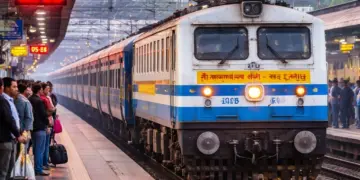





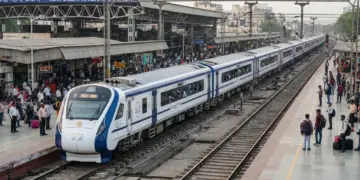
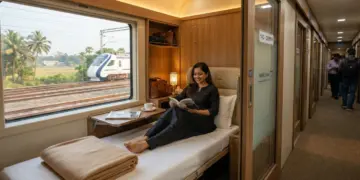
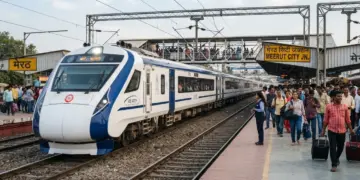
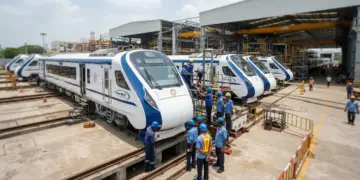
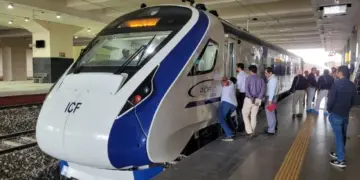
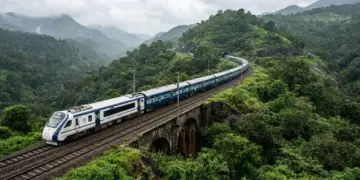
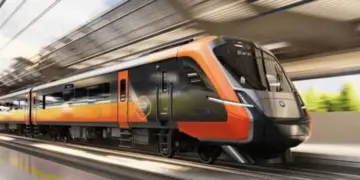
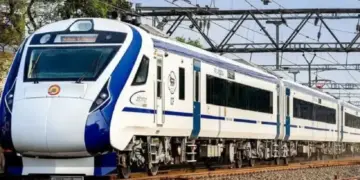


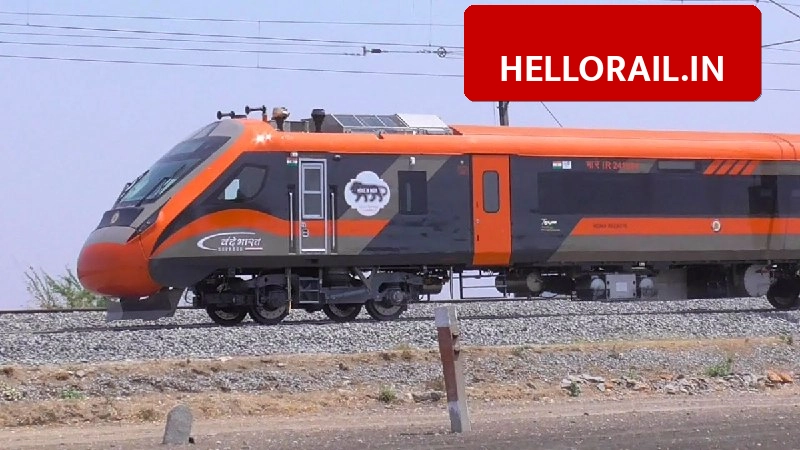

Indian Railways is planning a major technical shift for the Vande Bharat 3.0 version. The new trains will be built with 100% indigenous aluminium bodies instead of the current stainless steel. This move is expected to reduce the weight of the trains and save crores of rupees in manufacturing and operational costs.
What are the benefits of aluminium body in Vande Bharat 3.0?
Using aluminium will make the trains 30 to 40 percent lighter than the current steel models. This weight reduction will allow the trains to reach speeds of 160 to 180 kmph in just a few seconds. Additionally, the manufacturing cost is expected to drop by 10 to 15 percent, and the aluminium body will remain rust-free for 35 to 40 years.
Where will these new trains be manufactured?
The Integral Coach Factory (ICF) in Chennai will be involved in this transition. Furthermore, rail coach factories in Raebareli and Latur are being developed as special hubs for aluminium construction. To bring in the necessary technology, Hindalco Industries has partnered with Italy’s Metra SpA and plans to invest 2,000 crore rupees.
Key technical and production details
| Feature | Detail |
|---|---|
| Body Material | 100% Indigenous Aluminium |
| Weight Reduction | 30% to 40% |
| Speed Target | 160 to 180 kmph |
| Safety System | Kavach 4.0 |
| Production Goal | 400 trains in 5 years |
| Cost Reduction | 10% to 15% |
Frequently Asked Questions (FAQs)
How will aluminium body affect the speed of Vande Bharat 3.0?
The aluminium body reduces the train weight by 30-40%, allowing it to accelerate faster and reach speeds of 160-180 kmph in a few seconds.
Which safety features will be included in Vande Bharat 3.0?
All Vande Bharat 3.0 trains will be equipped with the advanced Kavach 4.0 safety system and designed under European crash-worthiness standards (EN 15227).