



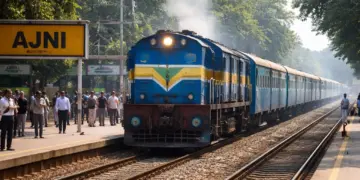


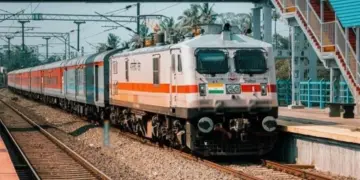
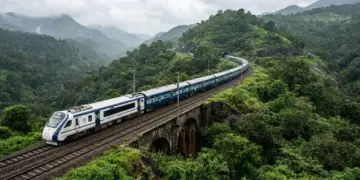
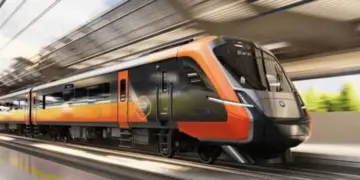
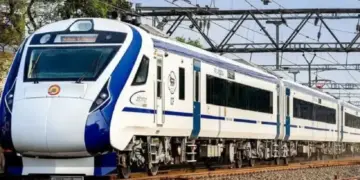
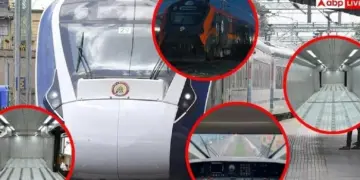
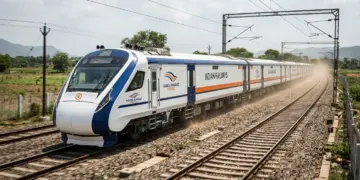


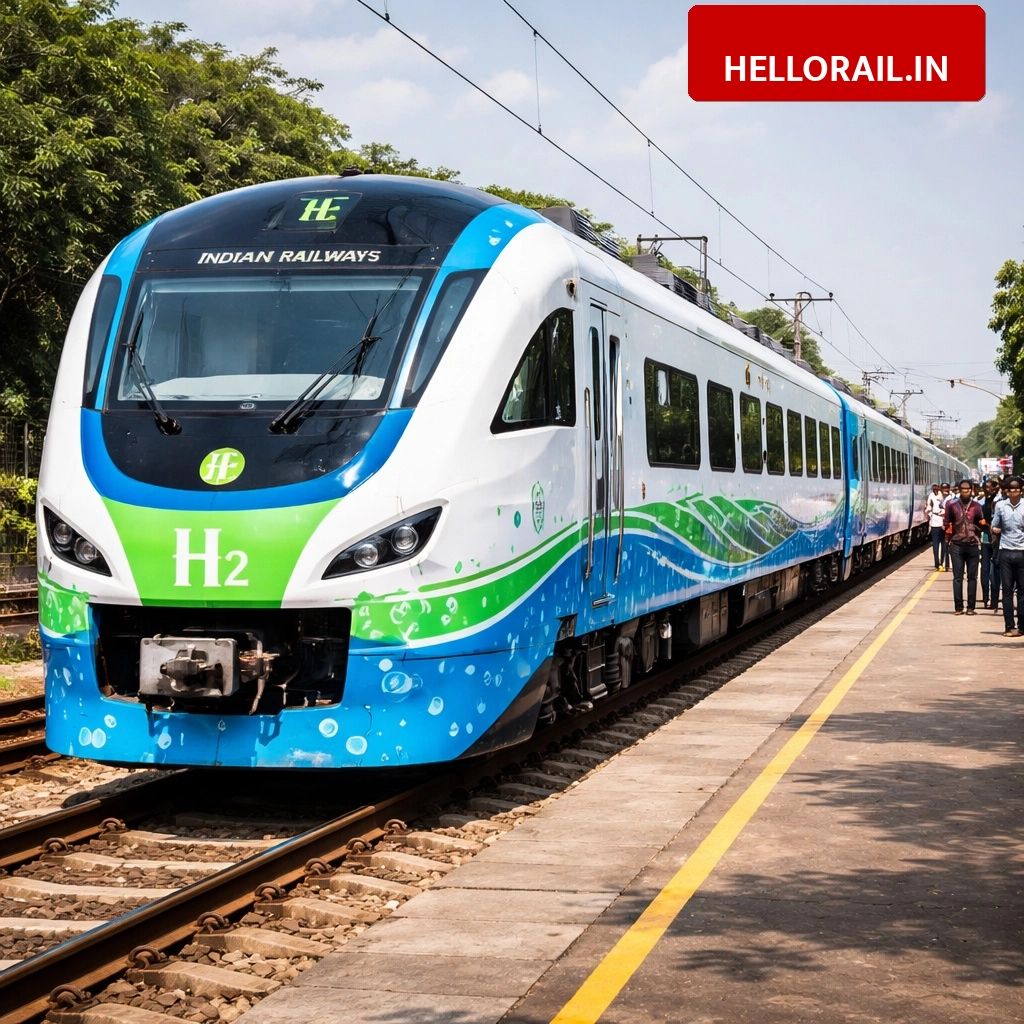

The Railway Board has officially approved the introduction of India’s first indigenously developed Hydrogen Fuel Cell-based train. This 10-coach DEMU train will operate on the Jind-Sonipat section in Haryana. This move puts India in a small group of countries using hydrogen technology for rail travel to reduce pollution.
What are the technical details of the Hydrogen train?
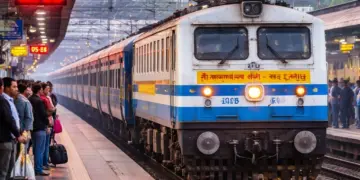
The train is a Distributed Power Rolling Stock (DPRS) DEMU designed and built by the Integral Coach Factory (ICF), Chennai. It uses hydrogen fuel cells to generate power, which means it only releases water vapour and zero CO2. The train is approved for a maximum speed of 75 kmph. For the fuel cell systems, Tata Advanced Systems is involved, while Medha Servo Drives worked on a pilot conversion project.
What is the infrastructure and cost of this project?
To support the train, a 1-megawatt electrolyzer for producing green hydrogen has been set up at Jind. The project involves several safety agencies including RDSO, CCRS, and PESO. The cost and operational details are as follows:
| Feature | Details |
|---|---|
| Cost per trainset | ₹80 crore |
| Ground facility cost | ₹70 crore per route |
| Total Power Output | 1,200 to 2,400 kW |
| Budget Allocation | ₹2,800 crore (2023-24) |
| Future Goal | 35 trains under Hydrogen for Heritage |
When will commercial operations start?
While the Railway Board gave its approval on May 22, 2026, officials clarified that commercial passenger services will not start immediately. There are still several safety checks and compliance reports to be submitted. Staff will also need specialized training and certification for hydrogen refuelling. Maintenance will be handled at Shakurbasti in Delhi, where the train will be moved in a dead condition using a diesel locomotive.
Frequently Asked Questions (FAQs)
Which route will the first hydrogen train cover?
The train will operate on the Jind-Sonipat section in Haryana, with maintenance facilities located at Shakurbasti in Delhi.
Is the hydrogen train environmentally friendly?
Yes, it is a green transportation solution because it uses fuel cells to generate power, emitting only water vapour and zero CO2.