


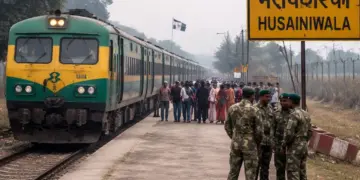
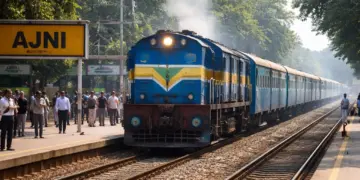

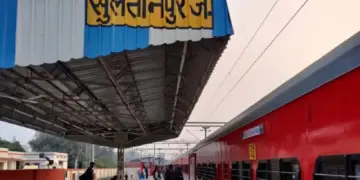
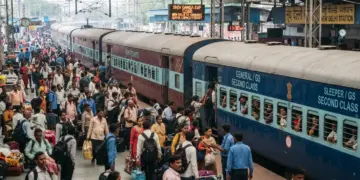



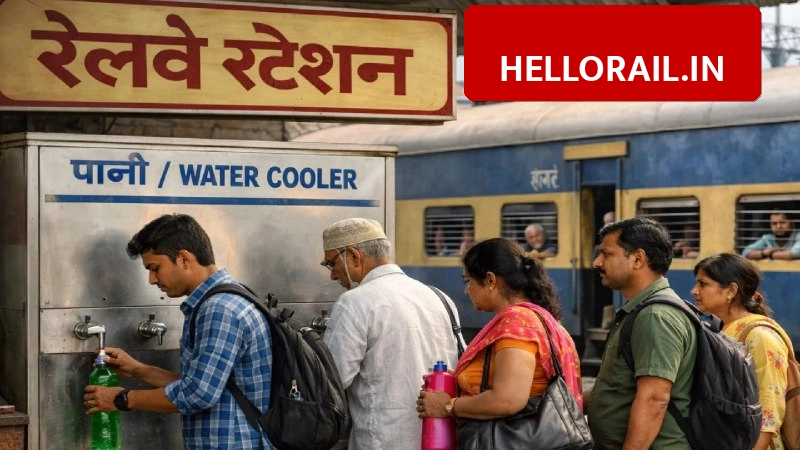

North Central Railway has completed the installation of water coolers across all 126 railway stations in the Prayagraj division. This move aims to provide relief to passengers traveling during the intense summer heat. The division is now one of the few in the country to have such a wide network of chilled water facilities.
ℹ: Eastern Railway monsoon prep: Special drive for tree pruning and track safety announced।
What are the new water facilities for passengers?
The railway division has implemented several measures to ensure clean drinking water is available to everyone. Apart from the 126 water coolers, modern water vending machines are being set up at 27 major stations. These machines provide pure RO chilled water at a cost of ₹5 per liter to help passengers save money and reduce plastic waste.
How is the Railway Board improving water conservation?
The Ministry of Railways has ordered the installation of Atmospheric Water Generator (AWG) machines. These machines create drinkable water from the moisture in the air, which helps in areas where traditional water sources are limited. This technology is being deployed at stations, hospitals, and staff colonies as per the directions of Director Ajay Jha.
What other heat relief measures are in place?
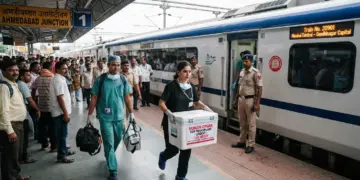
To tackle the severe weather, the Indian Railways has introduced additional support systems at stations like Prayagraj. The following facilities were provided to passengers:
| Facility | Details |
|---|---|
| Medical Support | ORS packets and first-aid teams available |
| Voluntary Help | Bharat Scout & Guide students distributing water |
| Free Water | Cold water provided at 14 major stations via NGOs |
| Infrastructure | New water coolers installed at stations like Hapur |
Frequently Asked Questions (FAQs)
How much does the RO water cost at the new vending machines?
The modern water vending machines installed at 27 major stations in the Prayagraj division provide pure RO chilled water at a rate of ₹5 per liter.
What is the Atmospheric Water Generator (AWG) technology?
AWG machines produce potable drinking water from atmospheric moisture, reducing the need for traditional water sources and promoting conservation.