


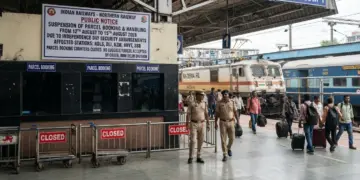
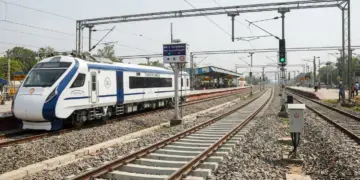

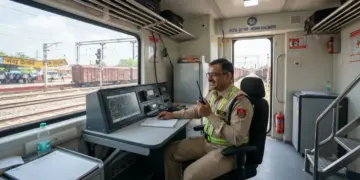
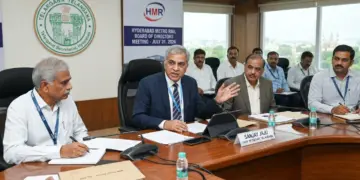
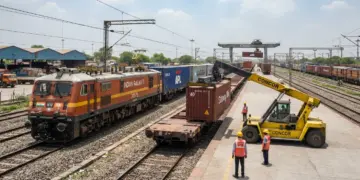
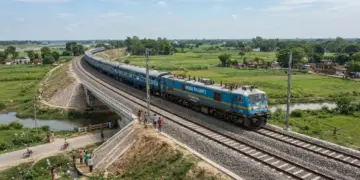
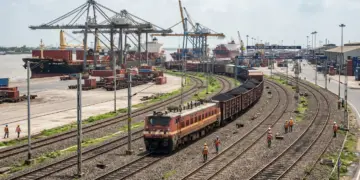
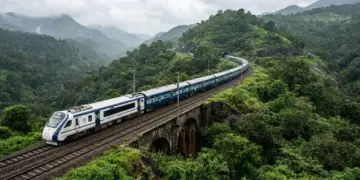



The Northeast Frontier Railway (NFR) is introducing advanced technology to keep railway tracks safe. In a special session held at the Maligaon headquarters on June 17, 2026, officials discussed using Artificial Intelligence (AI) and Digital Twins for constant track monitoring. This move aims to shift from manual checks to a smart, automated system to prevent accidents.
How will AI and Digital Twins help in track monitoring?
Professor Ashwini K. Nanda from IIT Guwahati explained that a network of intelligent sensors will be installed on the tracks. These sensors will send real-time data to an AI-based predictive analysis system. This system will identify structural weaknesses or wear and tear before they become dangerous, allowing the railway staff to fix issues early.
What are the key goals of this new system?
- Real-time Monitoring: Constant health assessment of the tracks without relying only on human inspection.
- Predictive Maintenance: Finding potential faults early to reduce the risk of accidents.
- Operational Efficiency: Better management of railway assets and optimized use of maintenance resources.
What other developments are happening in the Katihar region?
Apart from the AI project, the Commissioner of Railway Safety (CRS) conducted inspections from June 17 to June 19, 2026. This inspection focused on the doubling of rail lines between Katihar-Kuretha and Katihar-Sonauli to increase the capacity of trains in the region.
Frequently Asked Questions (FAQs)
What is the role of IIT Guwahati in this project?
Professor Ashwini K. Nanda from IIT Guwahati presented the plan for an autonomous system using multiple sensors, AI, and Digital Twins for real-time track analysis.
Which rail lines are being inspected for doubling in Katihar?
The CRS inspection from June 17 to 19, 2026, focused on the Katihar-Kuretha and Katihar-Sonauli double rail lines to increase rail capacity.