

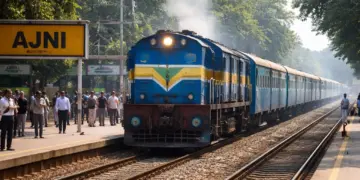
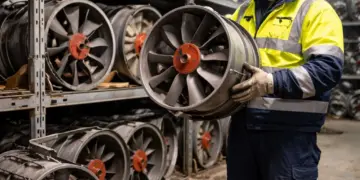



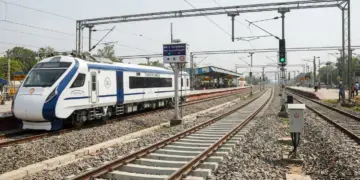

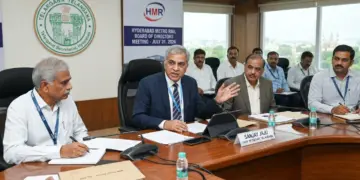
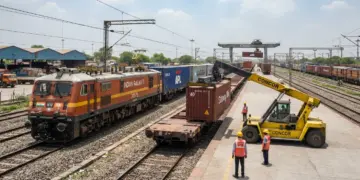
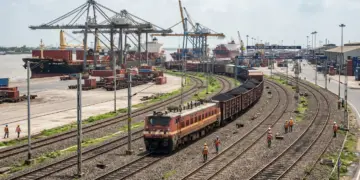
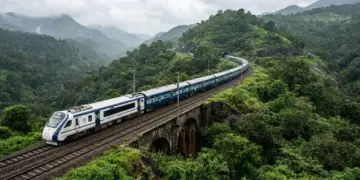

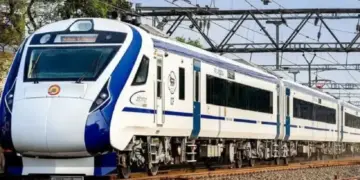
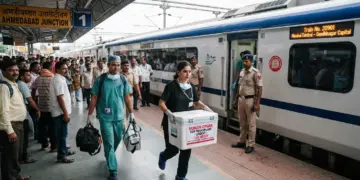



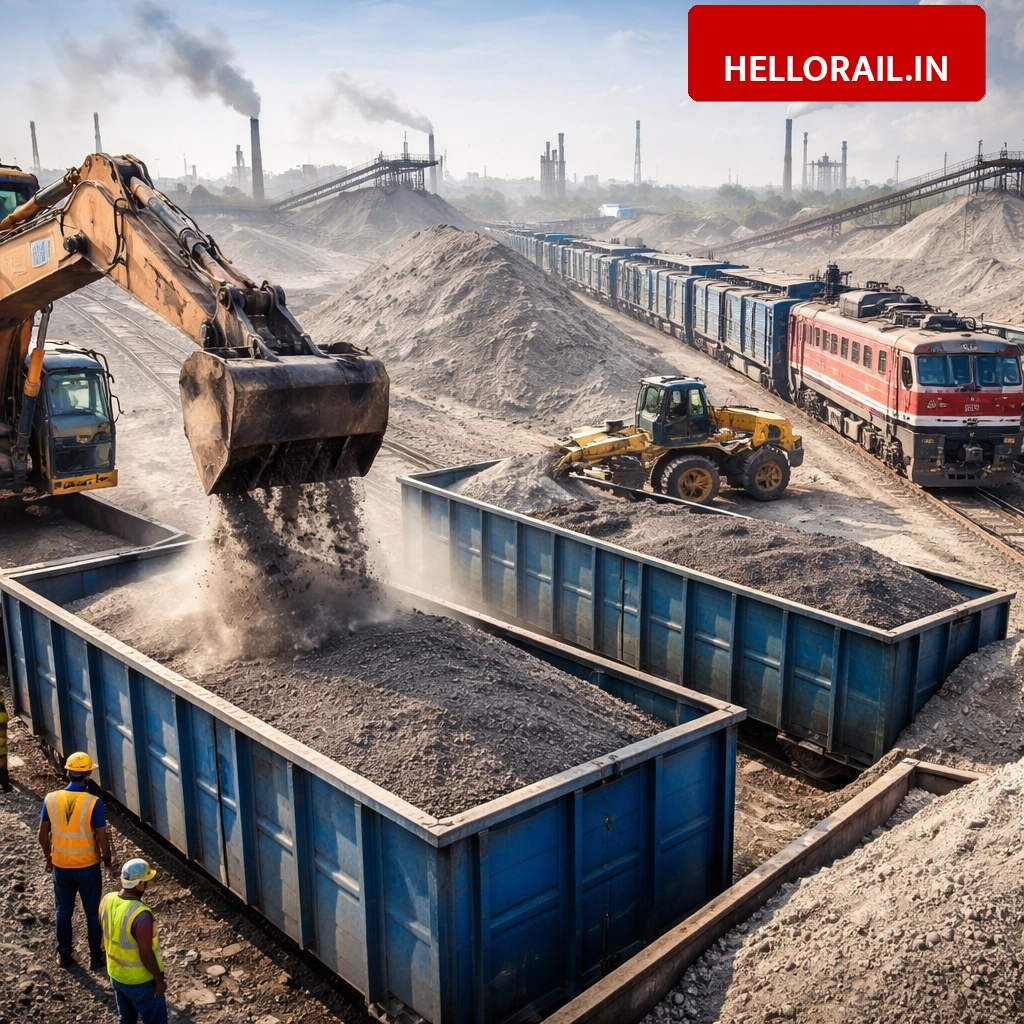

Union Minister for Railways Ashwini Vaishnaw chaired a high-level meeting on June 18, 2026, to discuss a plan for transporting fly ash on a large scale. The Ministry of Railways intends to create a dedicated logistics network to move industrial waste from thermal power plants to various industries. This move aims to convert waste into a useful resource for national development.
How will the fly ash be used and transported?
The railway network will transport nearly 340 million tonnes of fly ash generated annually by thermal power plants. This material will be supplied to industries that manufacture cement and bricks, as well as for road construction and other infrastructure projects. To make this efficient, the railways will introduce specialized containers and dedicated rail corridors to reduce dust pollution during transit.
What are the key goals of this green initiative?
The project focuses on shifting from the current transport volume of 13 million tonnes to a much higher capacity. By reusing industrial by-products, the government aims to promote a circular economy and lower the cost of construction materials. This will likely make affordable housing and infrastructure development cheaper for the general public.
| Key Detail | Information |
|---|---|
| Annual Fly Ash Generation | 340 Million Tonnes |
| Current Railway Transport | 13 Million Tonnes |
| Meeting Date | June 18, 2026 |
| Key Officials | Ashwini Vaishnaw, V. Somanna, Ravneet Singh Bittu |
| Primary Uses | Cement, Bricks, Road Construction |
Frequently Asked Questions (FAQs)
What is the target volume for fly ash transportation?
Indian Railways aims to create a network to handle the 340 million tonnes of fly ash generated annually, a huge jump from the current 13 million tonnes.
How will this benefit the common man?
The initiative will lower the cost of construction materials like bricks and cement, which will support cheaper housing and better roads.