




















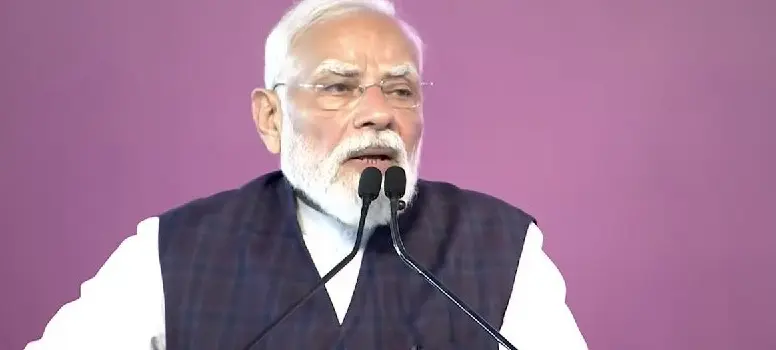

In a major boost to sustainable transport and regional connectivity, Prime Minister Narendra Modi inaugurated a series of transformative railway projects in Jalandhar, Punjab, on July 17, 2026. This landmark event also marked the official debut of India’s first hydrogen-powered train, which commenced its maiden journey from Jind to Sonipat in Haryana. These initiatives represent a significant leap toward the nation’s net-zero emission goals and modernizing the country’s rail infrastructure.
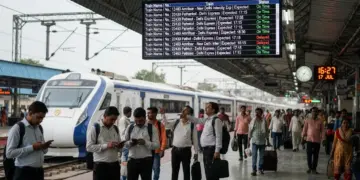
- Jalandhar Cantt Station Redevelopment: Revamped at a cost of Rs 125 crore under the Amrit Bharat Station Scheme.
- New Infrastructure: Inauguration of the Rs 830 crore Daulatpur Chowk-Kartoli rail line.
- New Train Services: Launch of the Kartoli-Ambala and Amritsar (Chheharta)-Varanasi Shri Guru Ravidass Ji Maharaj Express.
- Green Mobility: India’s first hydrogen-powered train launched on an 89-km route between Jind and Sonipat.
- Total Investment: Projects inaugurated or foundation stones laid in Jalandhar exceed Rs 5,470 crore.
Modernizing Rail Infrastructure
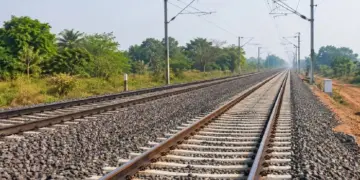
The redevelopment of Jalandhar Cantt Railway Station is part of a massive nationwide push to upgrade 75 railway stations under the Amrit Bharat Station Scheme. The station now features modern amenities including a spacious air concourse, retail kiosks, food plazas, and two new foot overbridges, all while reflecting the rich cultural heritage of Punjab. Beyond station upgrades, the new Daulatpur Chowk-Kartoli rail line is expected to significantly improve regional connectivity, streamlining travel for thousands of daily passengers.
India’s First Hydrogen Train
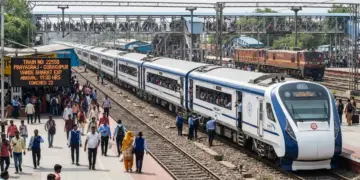
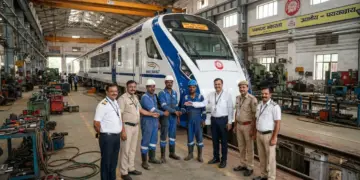
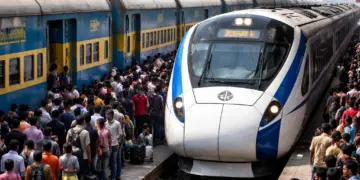
The hydrogen-powered train stands as a proud achievement of the ‘Make in India’ and ‘Atmanirbhar Bharat’ initiatives. Engineered and manufactured domestically, the train features a 1,200 kW hydrogen fuel cell propulsion system. By utilizing hydrogen to generate electricity, the train emits only water vapor and heat, marking a shift toward eco-friendly rail travel.
The train comprises 10 coaches with a capacity for approximately 2,600 passengers, making it one of the longest hydrogen-powered trains in the world. Operating at a top speed of 110 kmph, the train is supported by India’s largest railway hydrogen storage and refueling facility in Jind, constructed at a cost of $12 million. With advanced safety features, including multi-layer detection for leaks and smoke, this pilot project serves as a cornerstone of India’s National Green Hydrogen Mission, positioning the country as a global leader in sustainable rail transport.